



In the photographs that tell a story of the past, we see Boško Maksić, known as "Šeboj," once a symbol of hard work and prosperity. Born in Kuman, he was a wealthy farmer and a respected member of his community. However, after World War II, his life took a tragic turn. The forced expropriation of his property by the regime completely shattered his life and stability.
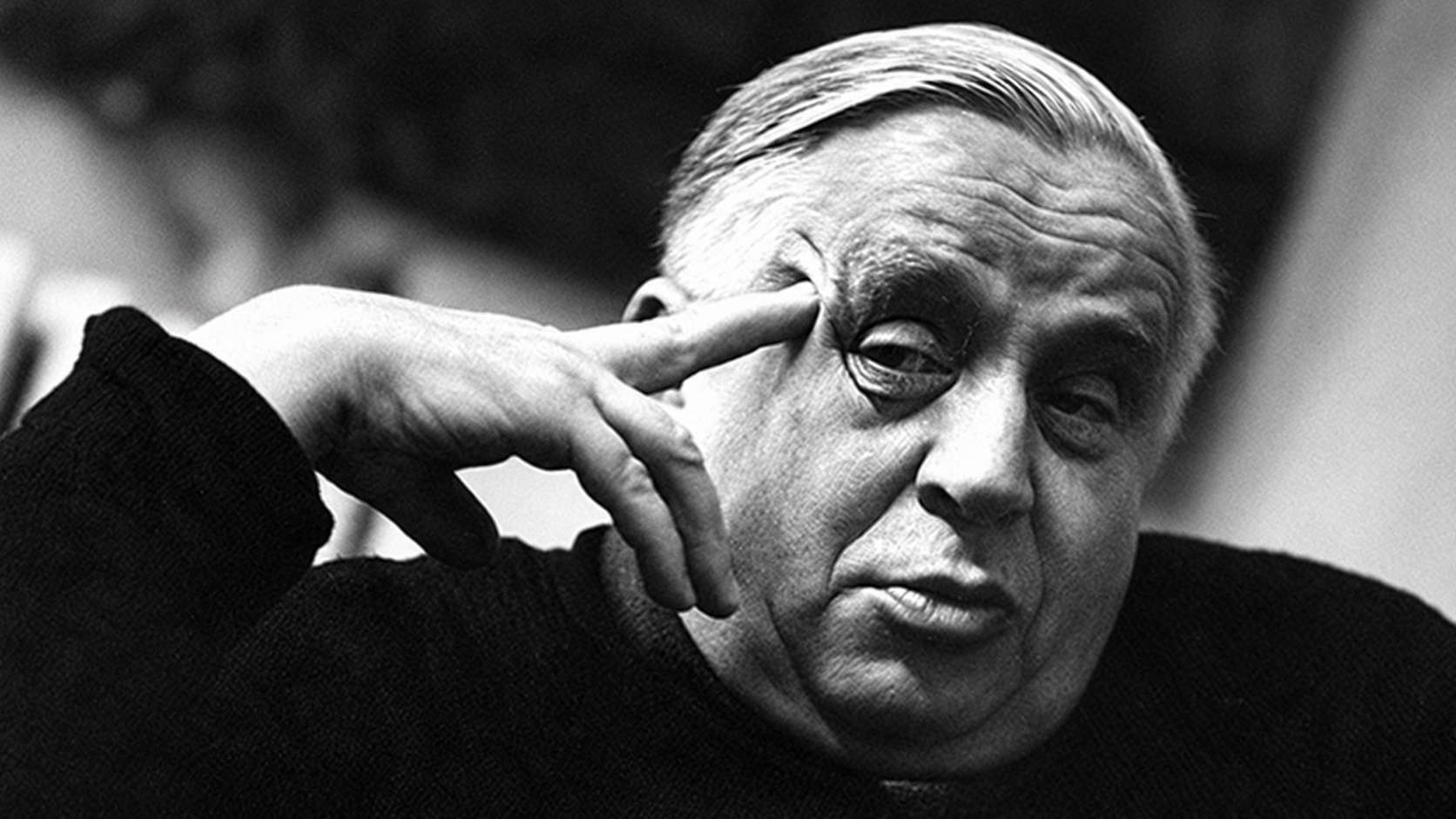
Despite all the hardships, Boško managed to survive nearly 90 years, but without any wealth and in extreme poverty. He appeared as a shadow of his former self—moving slowly, looking disheveled, evoking fear in the village children, while the older generations felt pity for him. Few people knew the true reason for his existence, which he continued despite all the suffering he endured.
Through this tragic path, Boško became a symbol of resilience and the painful reality experienced by many during that period. Emil Gladić, following the recommendation of his fellow villagers, decided to immortalize this life story, and photographer Momir Krstić skillfully captured the image of the old "Šeboj," which remains a reminder of the profound changes people of that time had to endure.
Comments