



In 2008, Novi Bečej's Elementary School "Miloje Čiplić" will mark its centenary. Few of today's students, as well as older ones, even know who the person after whom our school is named was, and who it was named after following World War II.
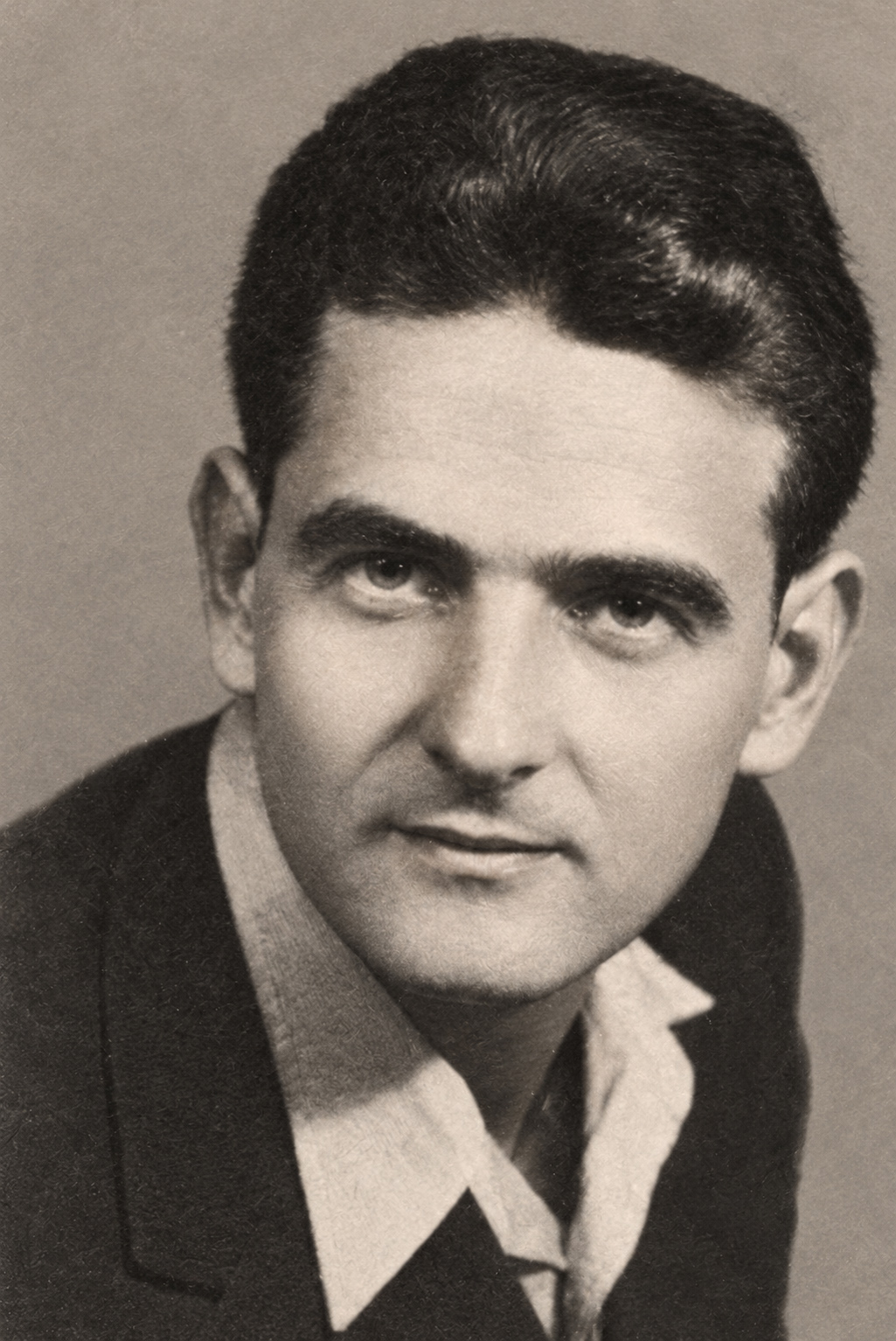
M. Čiplić was one of the three sons of the Novi Bečej teacher Žarko and his wife, the teacher Sara, who made a significant impact on the cultural and educational life of our town between the two World Wars. They had three sons. In addition to Miloje, they also had the prematurely deceased teacher Jovan, who was buried at the Novi Bečej cemetery, across from the grave of the famous Giga Jovanović, and the well-known writer Bogdan. Miloje was born on February 25, 1912, in Novi Bečej, where he completed his primary school education, and attended high school in his hometown, Srbobran, and in present-day Zrenjanin. For a time, he also attended the teacher's school in Sombor as well as a painting school.
After finishing high school, he enrolled in the psychology group at the Faculty of Philosophy in Belgrade, but soon switched to studying law, a degree he did not complete. Very early on, he engaged in acting, was a correspondent for various newspapers, a clerk, and a treasurer for the local theater, but his main passion was literature.
As a young intellectual, he quickly embraced revolutionary ideas of social justice, like many other intellectuals from "well-off families" of the time. Due to these beliefs, he was arrested twice in Novi Bečej, in 1929 and 1934. He read extensively, admiring the works of Dostoevsky, Tolstoy, Turgenev, Gorky, and others. He became acquainted with Jovan Popović from Kikinda, who greatly influenced him in both literary and revolutionary matters. At that time, Popović was already writing so-called social poetry. Miloje, as a great intellectual and correspondent for many newspapers, especially Novi Sad's Dan, wrote extensively and recorded many events happening in Novi Bečej and Vranjevo.
His comments on performances and guest appearances by the Serbian National Theater from Novi Sad are particularly interesting. In 1935, he went to Cerovo, a village near Ivanjica, but even there, he continued writing a lot, especially for the Letopis of Matica Srpska. In 1938, he moved to Novi Sad, and while collaborating closely with Vasa Stajić and Mladen Leskovec, he became an official at the Fruška Gora Tourist Society, which gathered the so-called "revolutionary youth" of that time. In November 1939, he went to serve his military service in Banja Luka, where he worked as a clerk in the regiment's headquarters. When the first Yugoslavia collapsed in 1941, he was in Belgrade, where he joined the revolutionary communist movement, but also continued to write extensively, particularly the novel Tamnice (Prisons). In those wartime circumstances, the new occupying authorities were aware of Miloje's communist revolutionary activities, and on October 2, 1941, he was arrested, and on October 17, he was executed in Jajinci near Belgrade.
This text is based on the book M. Čiplić, San o revoluciji and research by the author of this text
Comments