The Decline of the Dictatorship and Political Revival
By 1934, Party activities in Kumane had gradually begun to revive. The system of state dictatorship was entering a period of decline, and the attempt by its supporters to preserve power through the creation of the Yugoslav National Party (JNS) failed to achieve the desired results. Frequent changes of government further demonstrated the deep political crisis of the January 6 Dictatorship. Between April 1932 and December 1934, no fewer than seven governments were replaced, while the situation worsened significantly after the assassination of King Alexander in Marseille in October 1934.
Amid these circumstances, Svetislav Hođera established the pro-fascist Borbaš organization in Kumane. Using populist slogans promising the cancellation of peasant debts, he succeeded in attracting a number of politically inexperienced and uninformed villagers. The communists initially boycotted the organization, but by late 1934, following directives from the Communist Party of Yugoslavia (KPJ) and instructions from Lazar Milankov, they began joining its ranks in order to undermine it from within.
Thanks to their popularity among the local population, the communists quickly gathered around 800 supporters and assumed a leading role within the organization. Before the 1935 elections, they played a decisive role in weakening and ultimately dismantling it throughout the Novi Bečej district. The turning point came at Hođera’s political rally in Novi Bečej, where Žarko Milankov publicly exposed his demagoguery. Following this event, Hođera’s political influence rapidly declined, and his organization ceased to be a significant force in the district.
Youth Activism and the Spread of Communist Influence
In the early 1930s, the youth movement in Kumane developed under the direct influence of the KPJ. There was no separate SKOJ organization; instead, several youth groups operated under Party leadership. These groups were led by Ivan Vioglavin, Mita Trifunjagić-Mića, and Boža Stojanov.
Within a relatively short period, they succeeded in attracting a large number of young people, and their influence became visible in the cultural, social, and political life of the village. A particularly important role was played by the Reading Room, which became the central gathering place for local youth. Political brochures, progressive newspapers, journals, and books were available there, while meetings of youth groups and sports organizations were regularly held.
The “Jugoslavija” Football Club
Among the organizations in which young people were especially active was the “Jugoslavija” Sports Club, founded in early 1932. The club brought together a group of young football players who, despite a lack of equipment and financial resources, managed to sustain sporting activities.
The first club administration was elected in 1933, and the club soon received official permission to operate from the district authorities. Following Party directives in 1935 encouraging communist involvement in legal organizations, KPJ members and sympathizers systematically joined the club. At the next regular assembly, they succeeded in taking control of the administration, transforming the club into another important venue for political and social engagement.
The Elections of 1935
The political crisis of the regime led to parliamentary elections being called in February 1935. The United Opposition, composed of several opposition parties, entered the race.
A significant role in its formation was played by Dr. Dragoljub Jovanović, leader of the left wing of the Agrarian Party. Following KPJ directives, communists supported the United Opposition as a means of opposing the January 6 Dictatorship.
At a meeting held in Novi Bečej, representatives of Party organizations from northern Banat decided to support Milan Kovačev of Miloševo as the United Opposition’s candidate. Through intensive political work, communists succeeded in attracting a large number of voters to the opposition bloc.
Mass Political Gatherings
During the election campaign, numerous large rallies were held throughout the Novi Bečej district. At these events, communists publicly advocated worker-peasant unity, opposition to war and fascism, and the establishment of diplomatic relations with the Soviet Union.
Particularly successful was the rally held in Kumane on April 3, 1935, where Milan Kovačev, Mirko Tomić, and Žarko Milankov addressed the crowd. The local KPJ committee also organized large-scale participation of Kumane residents at rallies in Taraš, Bečej, Melenci, and Čurug.
At the gathering in Taraš, several thousand people from Kumane, Melenci, Torda, and Miloševo assembled, demonstrating the strength of the opposition movement in this part of Banat.
Election Day
The elections were held on May 5, 1935. The campaign was marked by numerous forms of pressure from the authorities. Representatives of the JNS attempted to buy votes, some voters were removed from electoral lists, and public employees were threatened with dismissal if they failed to support the government candidate.
Police and gendarmerie forces were stationed at polling places, but despite these pressures, communists and their supporters displayed remarkable organization. They voted in groups and openly expressed their support for the opposition, encouraging other voters to do the same.
The results demonstrated a major victory for the United Opposition. Milan Kovačev won a majority of votes in the district, while in Kumane alone he received 1,214 of the 1,416 votes cast, representing 85.6 percent of the total vote. The government candidate received only 201 votes, while Dimitrije Ljotić’s list received a single vote.
Consequences of the Elections
The manner in which the government of Bogoljub Jevtić organized and conducted the elections further damaged its reputation. Only a month later, a new government was formed under Milan Stojadinović and the Yugoslav Radical Union (JRZ).
During the autumn of 1935, the United Opposition organized major political rallies in Kikinda and Zrenjanin. Residents of Kumane attended these gatherings in an organized manner, traveling in dozens and even hundreds of horse-drawn wagons while carrying banners with slogans such as:
- “Long Live the People's Front of Freedom”
- “Long Live the United Opposition”
- “Fight Against War and Fascism”
- “Long Live the Freedom of the People”
- “Amnesty for Political Prisoners”
- “We Demand an Alliance with the Soviet Union”
Speeches were delivered by Dr. Dragoljub Jovanović, Mirko Tomić, Žarko Milankov, and other opposition leaders. Milankov’s speeches, in particular, stood out for their strong criticism of fascism and their calls for political freedom and social change.
The massive rally held in Zrenjanin on November 10, 1935, marked the peak of opposition activity in the region. Thousands of people from the town and surrounding villages gathered at Žitni Square, demonstrating growing dissatisfaction with the existing regime and the strengthening of the opposition movement throughout Banat.
Photo Caption
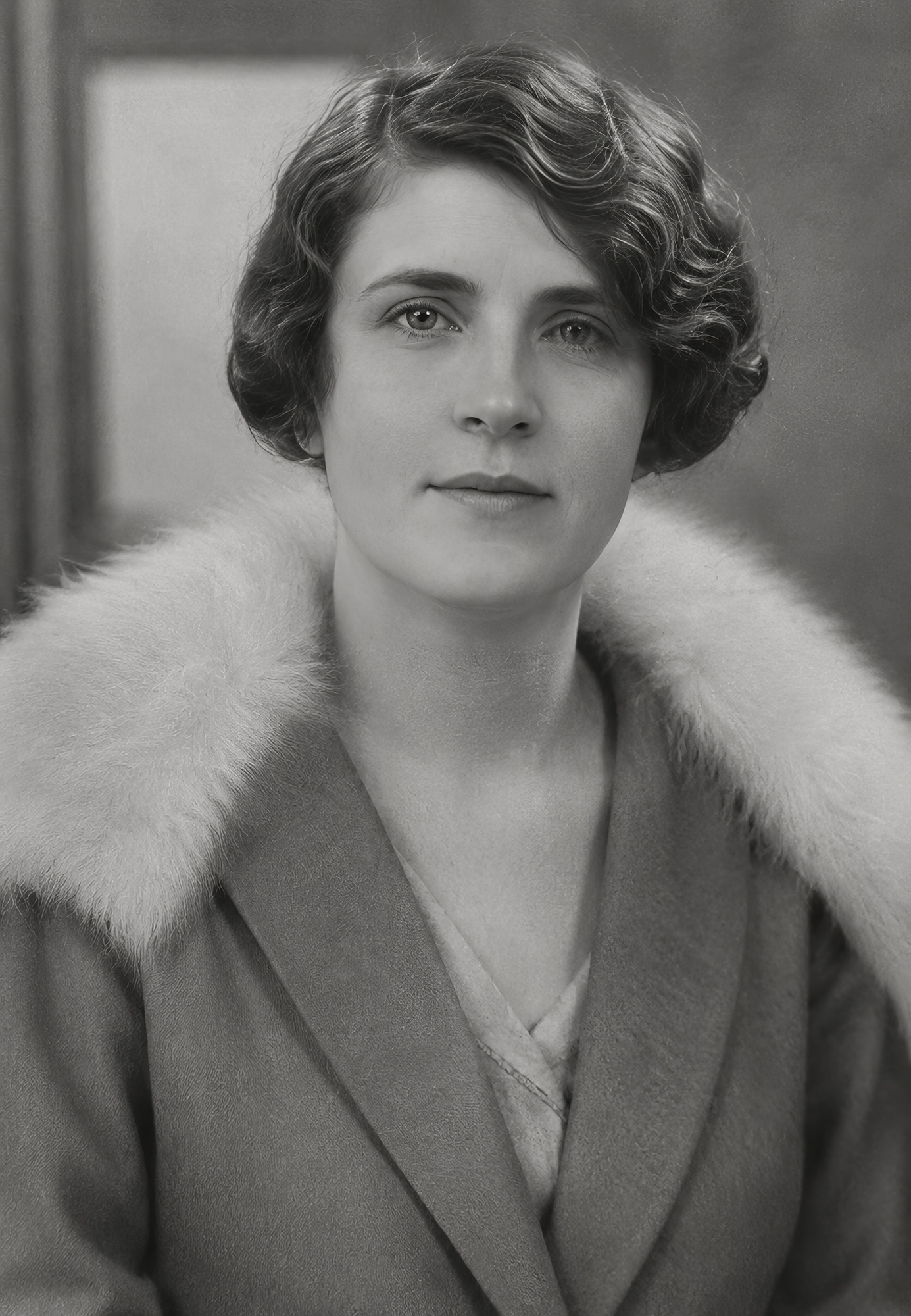
Milica Blažić, a member of the Communist Party of Yugoslavia (KPJ) since 1927. She was brought before the court for spreading communist propaganda and for establishing an illegal KPJ organization in Velike Livade.