



When it comes to cars that have marked the history of Yugoslavia, it's hard not to mention the legendary Zastava 750. This car became synonymous with the Yugoslav automotive industry and left an indelible mark in the memories of generations.
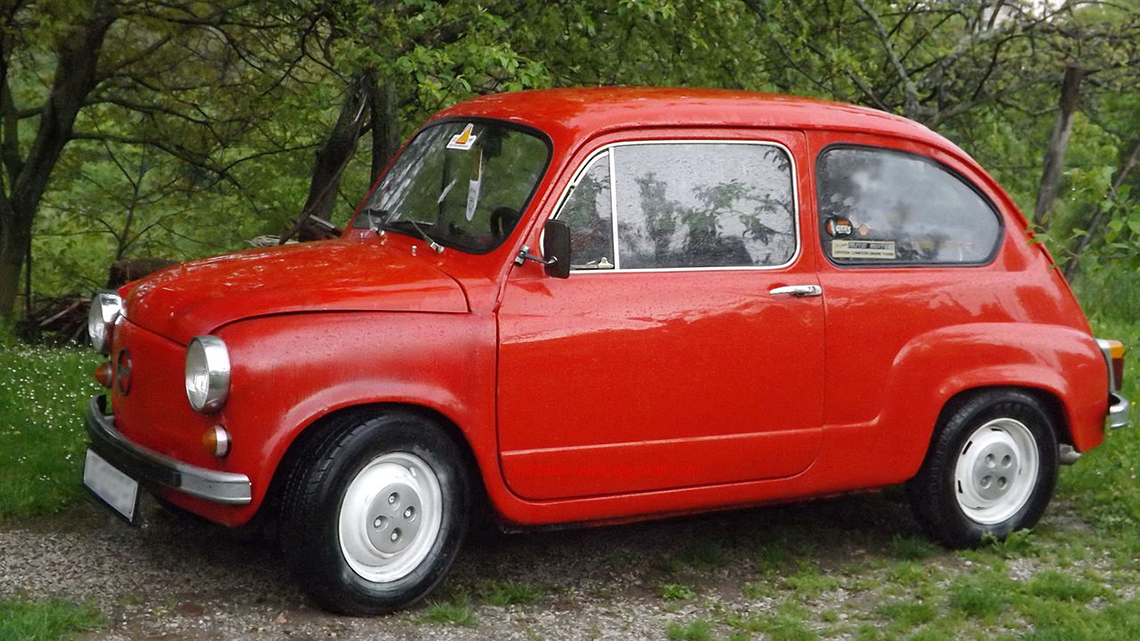
When it comes to cars that have marked the history of Yugoslavia, it's hard not to mention the legendary Zastava 750. This car became synonymous with the Yugoslav automotive industry and left an indelible mark in the memories of generations.

All of us from Novi Bečej are well acquainted with the beautiful two-story building with an Einfort (arched passage) entrance on the main street, located between the Miloje Čiplić Elementary School and the Sakač family house. Today, on the ground floor of this building, to the left of the entrance, there is a commercial space (formerly the Trocadero café), while on the right is the headquarters of the Tourist Organization of the Municipality of Novi Bečej.

The Kikinda Canal stretches from its confluence with the Main Canal to its junction with the Zlatica River near Sajan, with a total length of 50.34 km. Its primary function is to collect the Zlatica’s internal waters during periods when the sluice gate at Padej is closed, as well as its own internal waters along the route, and discharge them into the Main Canal.

Afforestation of disposal sites and land along the canals, as well as forest management, represents an integral part of the project for constructing the primary canal network. These activities have two main objectives:
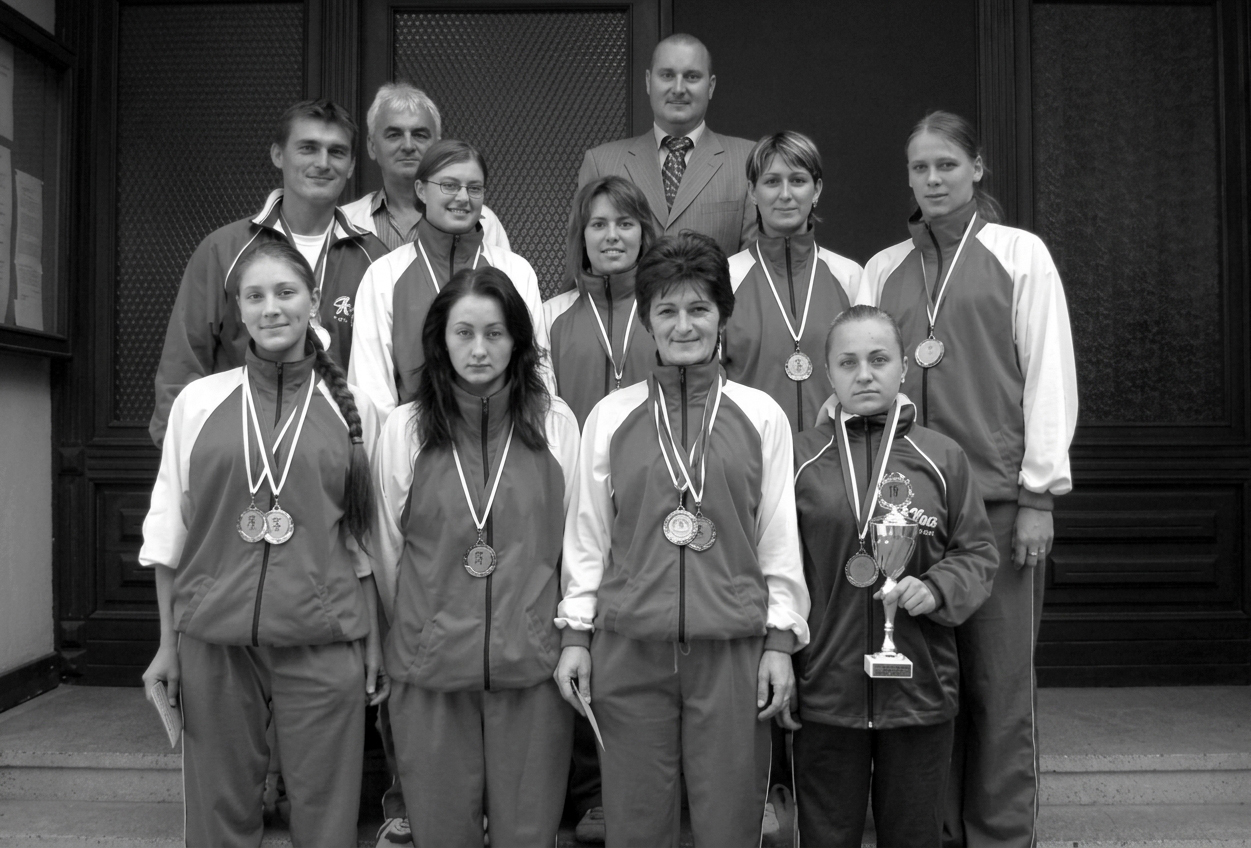
Alongside their strong performances in the league, the Jedinstvo women's bowling team also enjoyed a successful campaign in the Serbian Cup during the 2006/07 season.
At the Cup Final Tournament, held in Novi Sad on April 28 and 29, 2007, the Novi Bečej team defeated Hajduk from Kula 7–1 in the semifinal to secure a place in the final.

19–21 May 2004
Open Competition for Solo Singers
The biennial alternation between the solo singers’ competition and the invitational composers’ competition for solo songs found its rhythm, so the 12th edition of “Horizons on the Tisa” was marked by the fifth open competition for solo singers.

From the journalist’s notebook
During the second competition day of the European Cup in women’s bowling, held in Skopje, listeners of Radio Novi Bečej followed the performances of the Jedinstvo team and their fight for a place in the final stage of the competition.
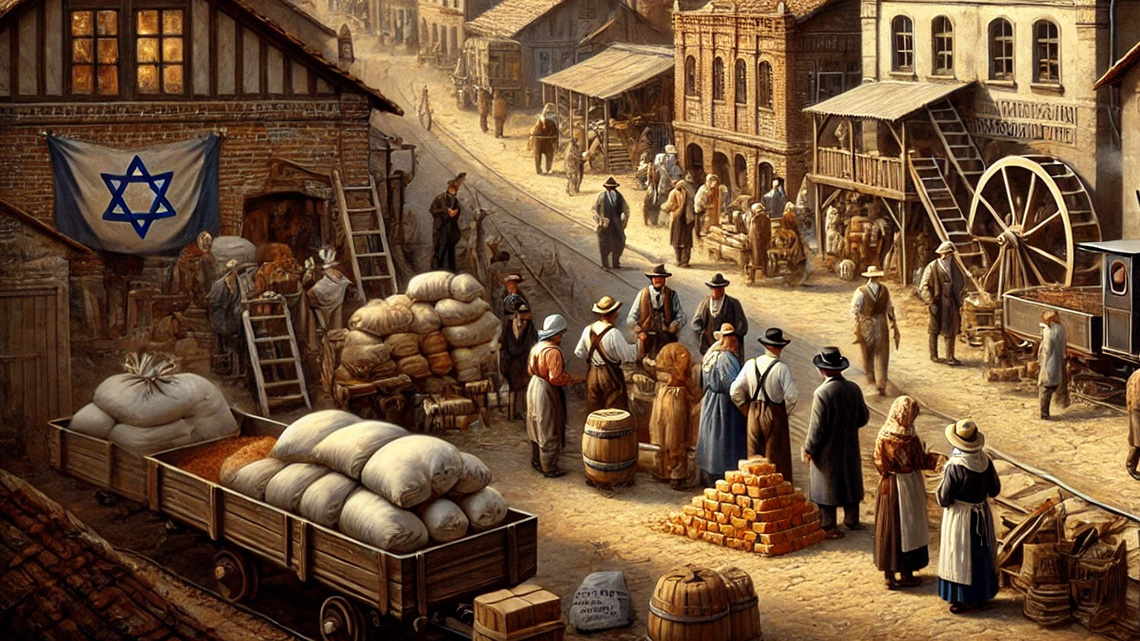
The general characteristic of this era was the strong development of industrialization, modernization of transportation, with a marked preference for railroads. Novi Bečej, in such conditions, had nothing to offer. In fact, it lost its previous advantage, and this was the cause of its increasing lag behind Veliki Bečkerek and Velika Kikinda, which gained new momentum.

Sava Baračkov was born in 1929 in Kumane, Banat, where he completed elementary school. He attended construction and architectural secondary schools in Novi Bečej, Petrovgrad, and Novi Sad. In 1955, he graduated from the Department of Scenography at the Academy of Applied Arts in Belgrade, under the mentorship of Professor Milenko Šerban.

The tenth edition of the Serbian Solo Vocal Music Festival, dedicated to the founder of Serbian art song Josif Marinković, was held from 23 to 25 May 2002 and centered on the Open Solo Singing Competition.
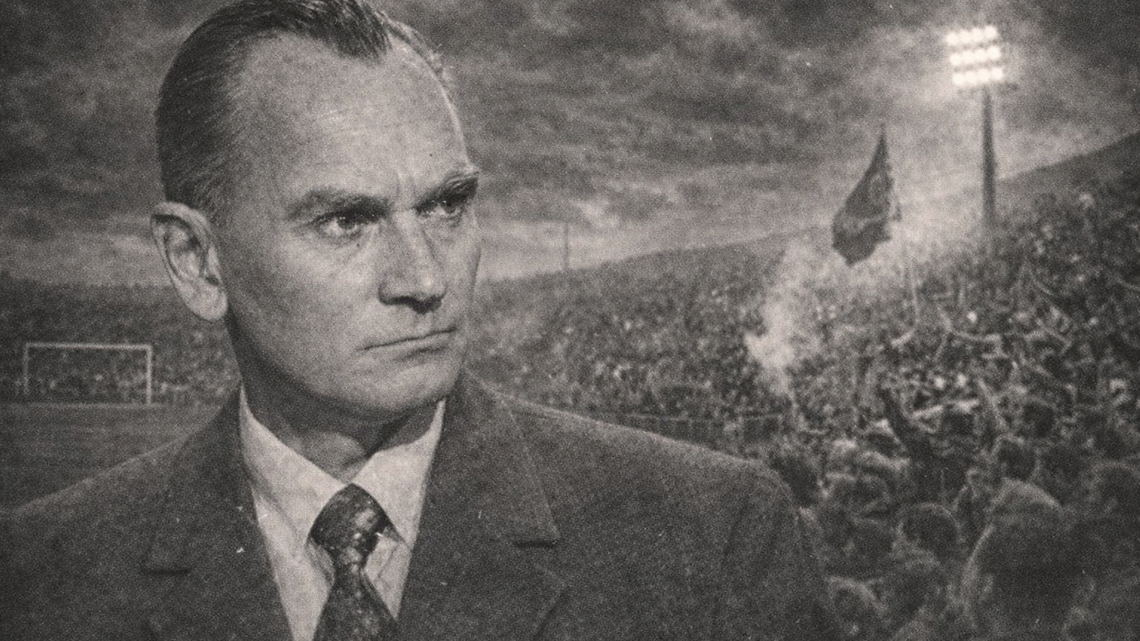
Ferenc Gomba, affectionately known by his friends and teammates as Feri or Frici, was the complete opposite in temperament to his older brother Laci. Quick, lively, and passionate, he stood out as a left winger for DMKS Turul from the very start of the 1941/42 season.
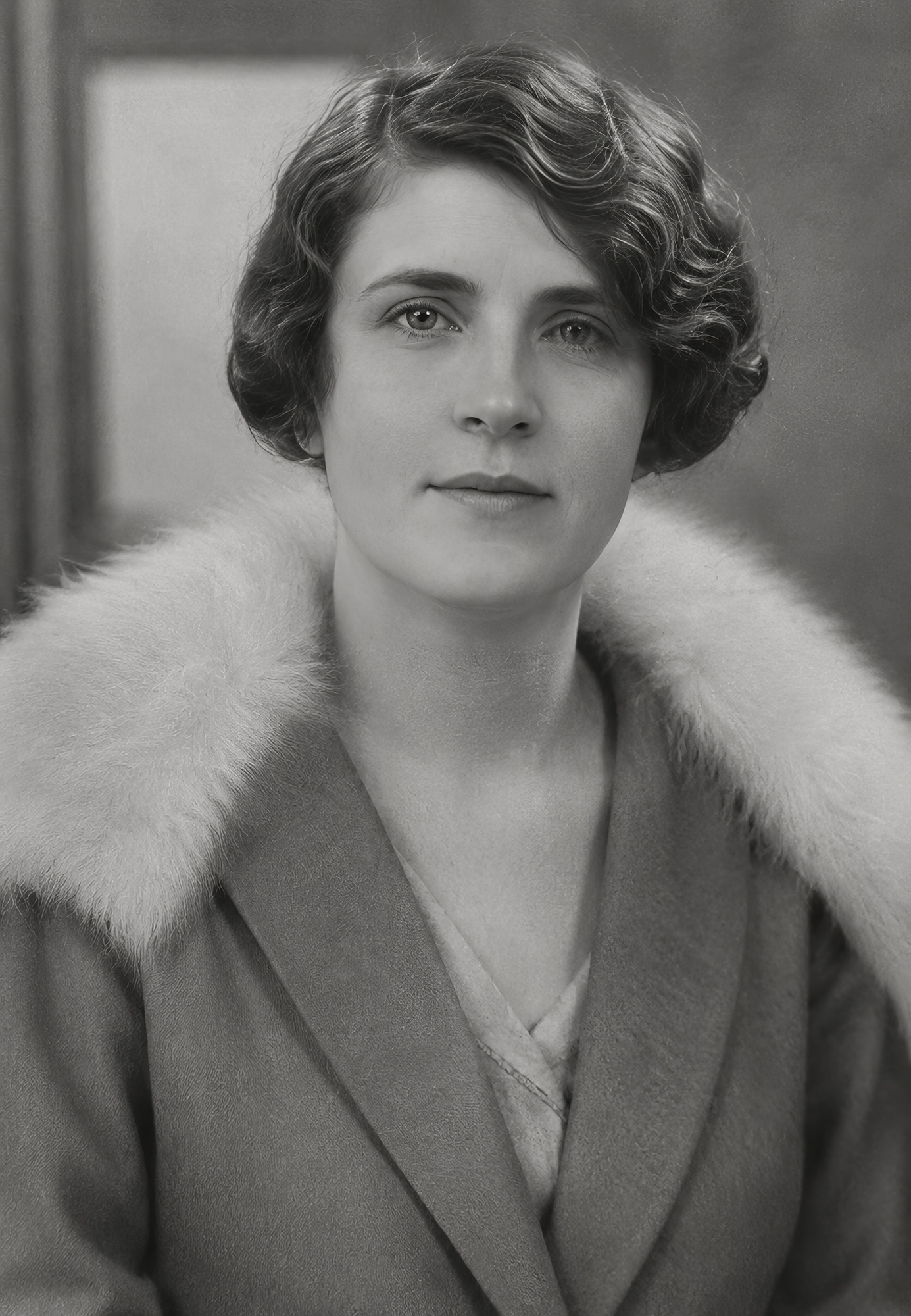
By 1934, Party activities in Kumane had gradually begun to revive. The system of state dictatorship was entering a period of decline, and the attempt by its supporters to preserve power through the creation of the Yugoslav National Party (JNS) failed to achieve the desired results. Frequent changes of government further demonstrated the deep political crisis of the January 6 Dictatorship. Between April 1932 and December 1934, no fewer than seven governments were replaced, while the situation worsened significantly after the assassination of King Alexander in Marseille in October 1934.
Amid these circumstances, Svetislav Hođera established the pro-fascist Borbaš organization in Kumane. Using populist slogans promising the cancellation of peasant debts, he succeeded in attracting a number of politically inexperienced and uninformed villagers. The communists initially boycotted the organization, but by late 1934, following directives from the Communist Party of Yugoslavia (KPJ) and instructions from Lazar Milankov, they began joining its ranks in order to undermine it from within.
Thanks to their popularity among the local population, the communists quickly gathered around 800 supporters and assumed a leading role within the organization. Before the 1935 elections, they played a decisive role in weakening and ultimately dismantling it throughout the Novi Bečej district. The turning point came at Hođera’s political rally in Novi Bečej, where Žarko Milankov publicly exposed his demagoguery. Following this event, Hođera’s political influence rapidly declined, and his organization ceased to be a significant force in the district.
In the early 1930s, the youth movement in Kumane developed under the direct influence of the KPJ. There was no separate SKOJ organization; instead, several youth groups operated under Party leadership. These groups were led by Ivan Vioglavin, Mita Trifunjagić-Mića, and Boža Stojanov.
Within a relatively short period, they succeeded in attracting a large number of young people, and their influence became visible in the cultural, social, and political life of the village. A particularly important role was played by the Reading Room, which became the central gathering place for local youth. Political brochures, progressive newspapers, journals, and books were available there, while meetings of youth groups and sports organizations were regularly held.
Among the organizations in which young people were especially active was the “Jugoslavija” Sports Club, founded in early 1932. The club brought together a group of young football players who, despite a lack of equipment and financial resources, managed to sustain sporting activities.
The first club administration was elected in 1933, and the club soon received official permission to operate from the district authorities. Following Party directives in 1935 encouraging communist involvement in legal organizations, KPJ members and sympathizers systematically joined the club. At the next regular assembly, they succeeded in taking control of the administration, transforming the club into another important venue for political and social engagement.
The political crisis of the regime led to parliamentary elections being called in February 1935. The United Opposition, composed of several opposition parties, entered the race.
A significant role in its formation was played by Dr. Dragoljub Jovanović, leader of the left wing of the Agrarian Party. Following KPJ directives, communists supported the United Opposition as a means of opposing the January 6 Dictatorship.
At a meeting held in Novi Bečej, representatives of Party organizations from northern Banat decided to support Milan Kovačev of Miloševo as the United Opposition’s candidate. Through intensive political work, communists succeeded in attracting a large number of voters to the opposition bloc.
During the election campaign, numerous large rallies were held throughout the Novi Bečej district. At these events, communists publicly advocated worker-peasant unity, opposition to war and fascism, and the establishment of diplomatic relations with the Soviet Union.
Particularly successful was the rally held in Kumane on April 3, 1935, where Milan Kovačev, Mirko Tomić, and Žarko Milankov addressed the crowd. The local KPJ committee also organized large-scale participation of Kumane residents at rallies in Taraš, Bečej, Melenci, and Čurug.
At the gathering in Taraš, several thousand people from Kumane, Melenci, Torda, and Miloševo assembled, demonstrating the strength of the opposition movement in this part of Banat.
The elections were held on May 5, 1935. The campaign was marked by numerous forms of pressure from the authorities. Representatives of the JNS attempted to buy votes, some voters were removed from electoral lists, and public employees were threatened with dismissal if they failed to support the government candidate.
Police and gendarmerie forces were stationed at polling places, but despite these pressures, communists and their supporters displayed remarkable organization. They voted in groups and openly expressed their support for the opposition, encouraging other voters to do the same.
The results demonstrated a major victory for the United Opposition. Milan Kovačev won a majority of votes in the district, while in Kumane alone he received 1,214 of the 1,416 votes cast, representing 85.6 percent of the total vote. The government candidate received only 201 votes, while Dimitrije Ljotić’s list received a single vote.
The manner in which the government of Bogoljub Jevtić organized and conducted the elections further damaged its reputation. Only a month later, a new government was formed under Milan Stojadinović and the Yugoslav Radical Union (JRZ).
During the autumn of 1935, the United Opposition organized major political rallies in Kikinda and Zrenjanin. Residents of Kumane attended these gatherings in an organized manner, traveling in dozens and even hundreds of horse-drawn wagons while carrying banners with slogans such as:
Speeches were delivered by Dr. Dragoljub Jovanović, Mirko Tomić, Žarko Milankov, and other opposition leaders. Milankov’s speeches, in particular, stood out for their strong criticism of fascism and their calls for political freedom and social change.
The massive rally held in Zrenjanin on November 10, 1935, marked the peak of opposition activity in the region. Thousands of people from the town and surrounding villages gathered at Žitni Square, demonstrating growing dissatisfaction with the existing regime and the strengthening of the opposition movement throughout Banat.
Milica Blažić, a member of the Communist Party of Yugoslavia (KPJ) since 1927. She was brought before the court for spreading communist propaganda and for establishing an illegal KPJ organization in Velike Livade.

Poverty and harsh working conditions forced the rural poor and proletariat to organize and fight through strikes. Although there were strikes in previous years, those in 1897 were the most massive. The center of the struggle was in Elemir, and the most significant battle took place in Potisje, in the former District, where the strike gained the most momentum in Turski Bečej, Kuman, Melenac, and especially in the Torda municipality.
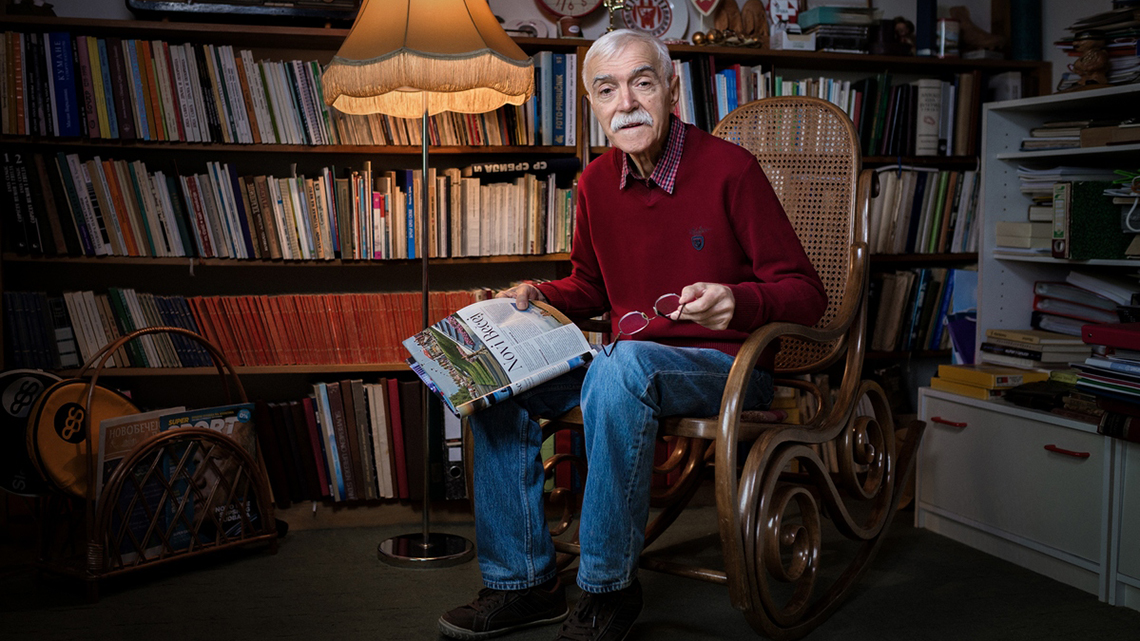
Stevan Davidović was born on October 6, 1949, in Novi Bečej. He completed his primary and secondary education in his hometown, where he also graduated from the local Grammar School. He went on to earn a degree from the Higher Pedagogical School in Zrenjanin, majoring in Serbo-Croatian language and the history of Yugoslav literatures.

Following the notorious Obznana decree, the work of the Communist Party of Yugoslavia (KPJ) in Kuman was banned, and the Serbian Workers’ Party of Yugoslavia (SPRJ) was dissolved. With the introduction of the State Protection Act, prominent KPJ members faced extremely difficult times. Ljubomir Čolić, the secretary of the local party organization, died at a very young age after imprisonment due to torture and mistreatment.
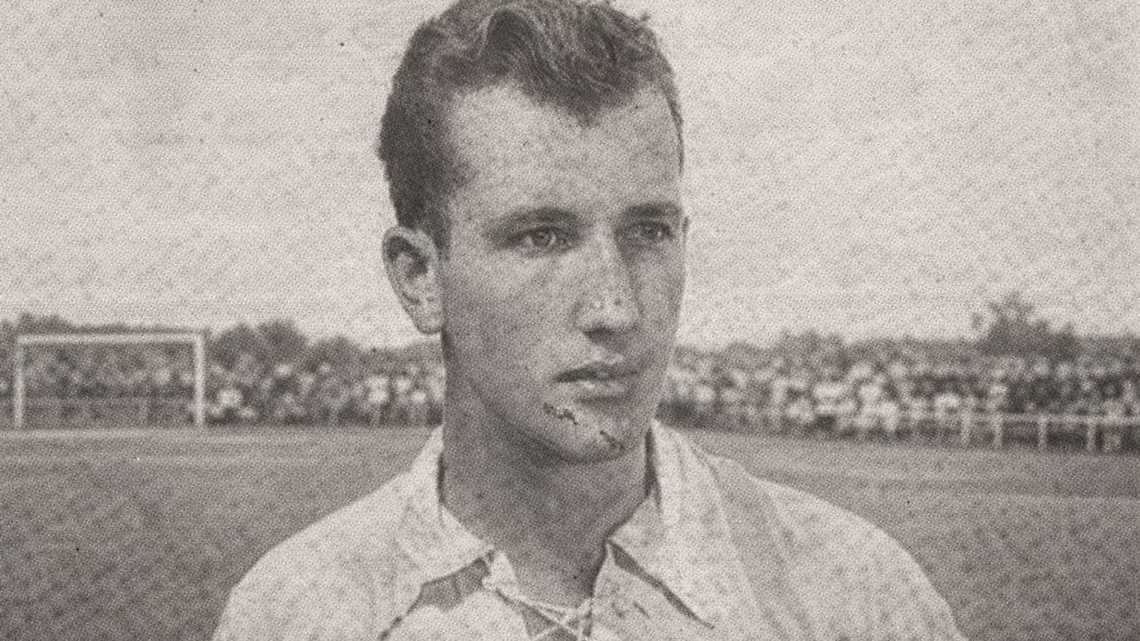
Šandor Kiš was one of the rare true football stalwarts of his generation. A hardworking and exceptionally combative half-back, he left a strong mark with Turul, and after the Second World War he also played for Zvezda.

The new government of the Kingdom of SHS brought significant social changes, but the foundation of economic development remained the same. Jews, whose lives were mostly tied to the economy, adapted quickly to the new order. Although the vast majority considered Hungarian their mother tongue and almost felt like Hungarians, they did not find it necessary to change their environment.

Fifty years ago, Novi Bečej was the site of one of the terrible crimes of World War II. After five months of imprisonment, the Jewish community, which had existed in our town for more than one hundred and fifty years, disappeared in a single day and forever. Generations after the war could neither learn about nor experience the presence of these people, who were extremely important for the economic and cultural development of our community.
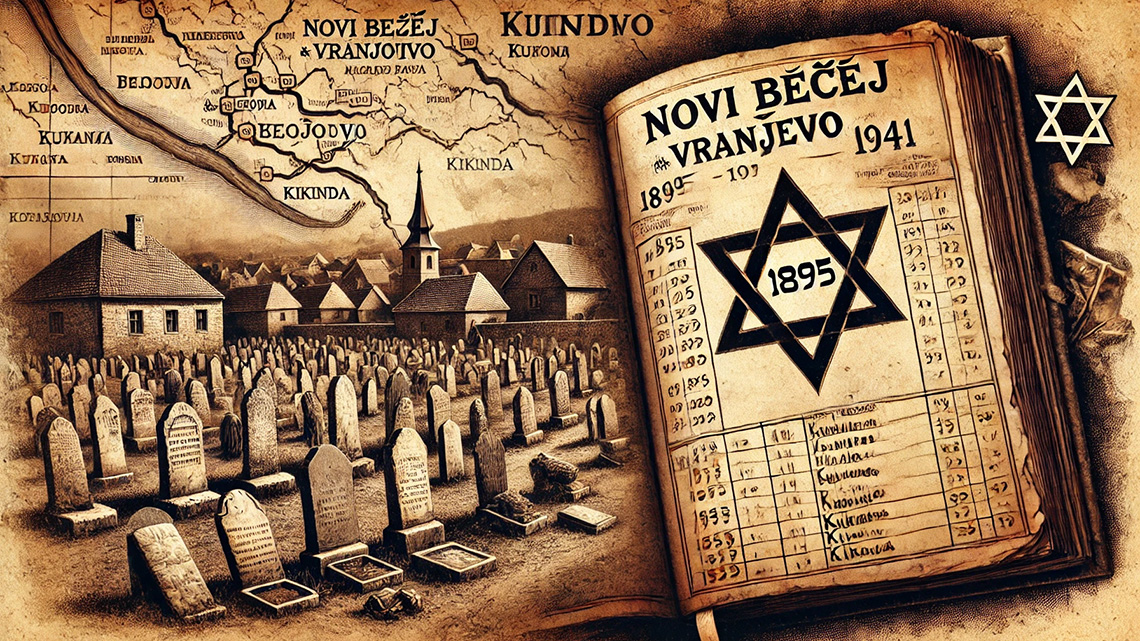
Since we do not have direct and reliable data on when and how the Jewish communities in Novi Bečej and Vranjevo were formed, we will use data from municipal registers of these municipalities for the period from 1895 to 1941, as well as from school registers of primary schools for the period from 1888 to 1941.

The defeat against Banat, which had experienced adult players, did not discourage the boys of Zvezda. On the contrary, they devoted themselves even more to training and played two away matches – the first in Bašaid and the second in Baodra. In these games, Zvezda also included a few former Jedinstvo players, which added physical strength to the team, but it came at the cost of the technical combination play that had been their trademark. Had they continued this way, Zvezda probably would not have fared better than Banat.

The Košut family lived in a modest house covered with reeds, with small, misty windows through which young Tivadar observed and created his own world. Sitting by the oil lamp, he listened to the stories of old women about the creation of the world, Adam and Eve, the flood, Christ and his miracles, dreaming how happy he would be if he could paint it all.
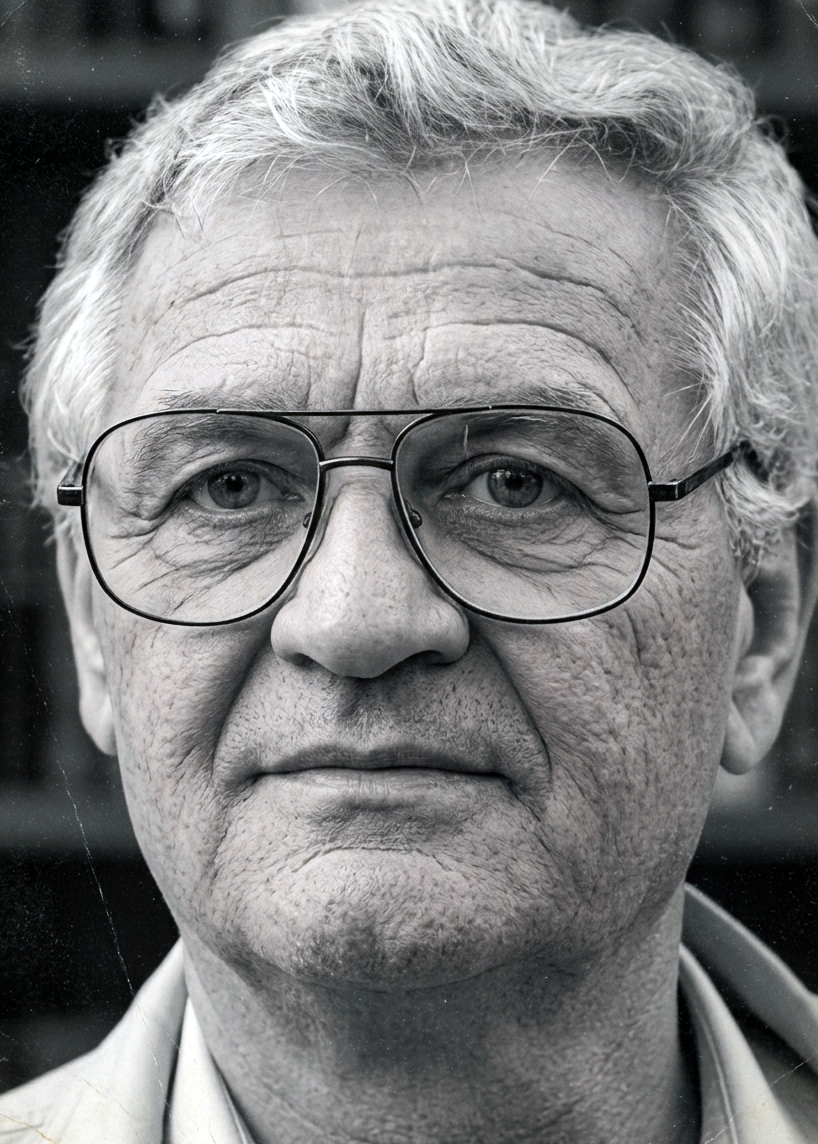
Pavle Janković - Šole, born on January 19, 1939, in Novi Bečej, was one of the most respected Serbian poets, whose poetry, although primarily intended for children, carried deep messages for adults as well. His name in literature is associated with an authentic and gentle approach to childhood, making him an expert in understanding children's thoughts and dreams.
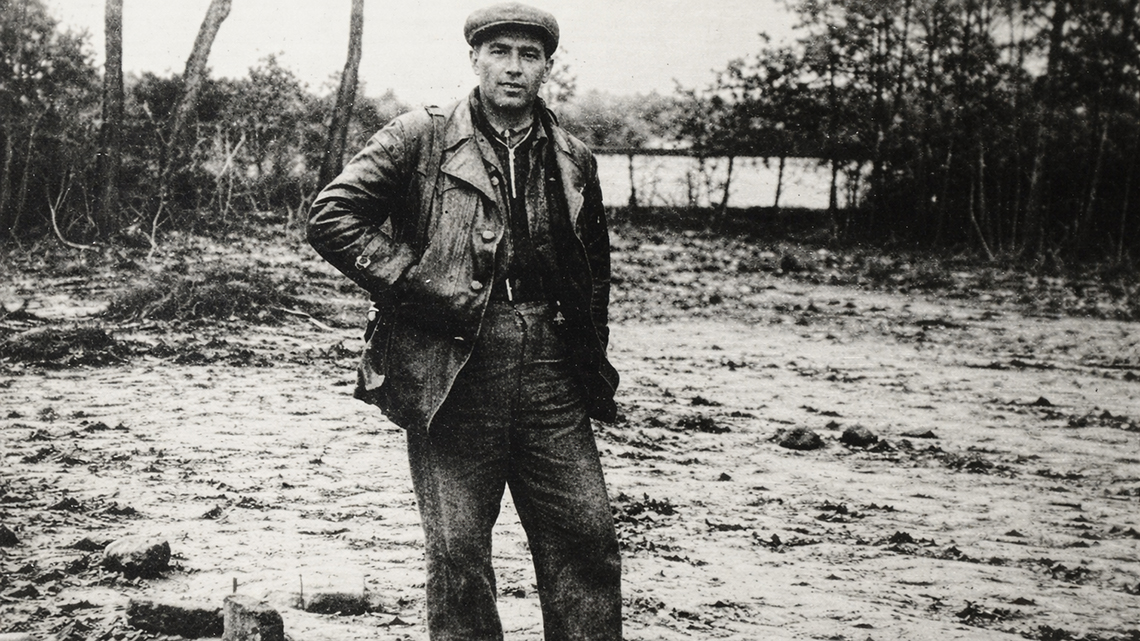
After the Obznana proclamation of 1920, the authorities banned the activities of SKOJ, the revolutionary youth organization of the working class, which also gathered a significant number of rural young people. Despite frequent police raids and arrests, the organization was re-established in Kuman in 1923 and continued to operate illegally until the dictatorship of 1929.

The first organization of agricultural workers in Kumane was founded in the late 19th century. According to the memories of the oldest residents of Kumane, its first leader was a young wheelwright, Rada Sokolović, who was expelled from Pakrac as a well-known agitator of socialist ideas.
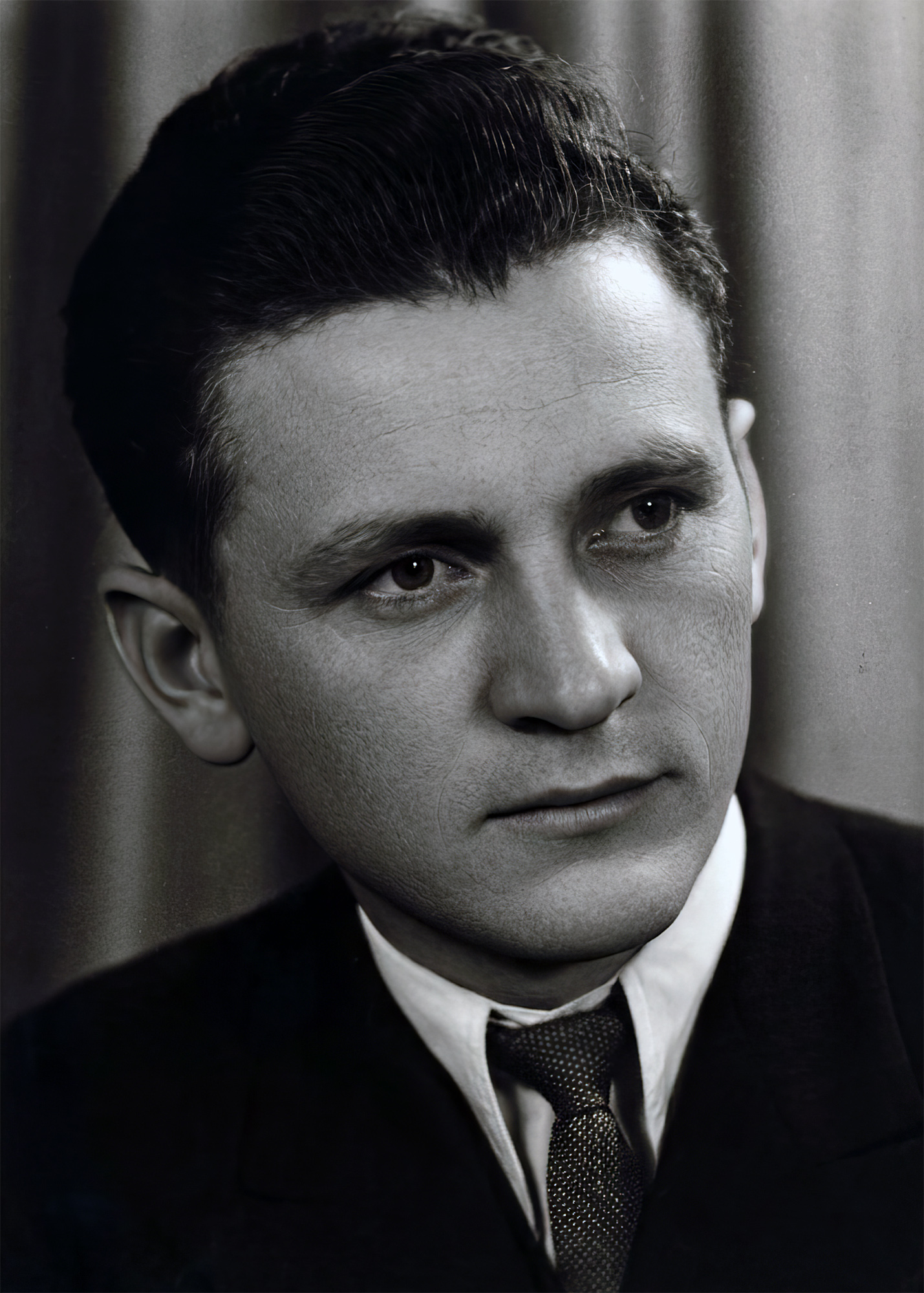
Radovan Svilengaćin (1926–1976) was a long-time director of the “Vojvodina” Cinema in Novi Bečej and one of the most important figures in the development of film culture in this town.
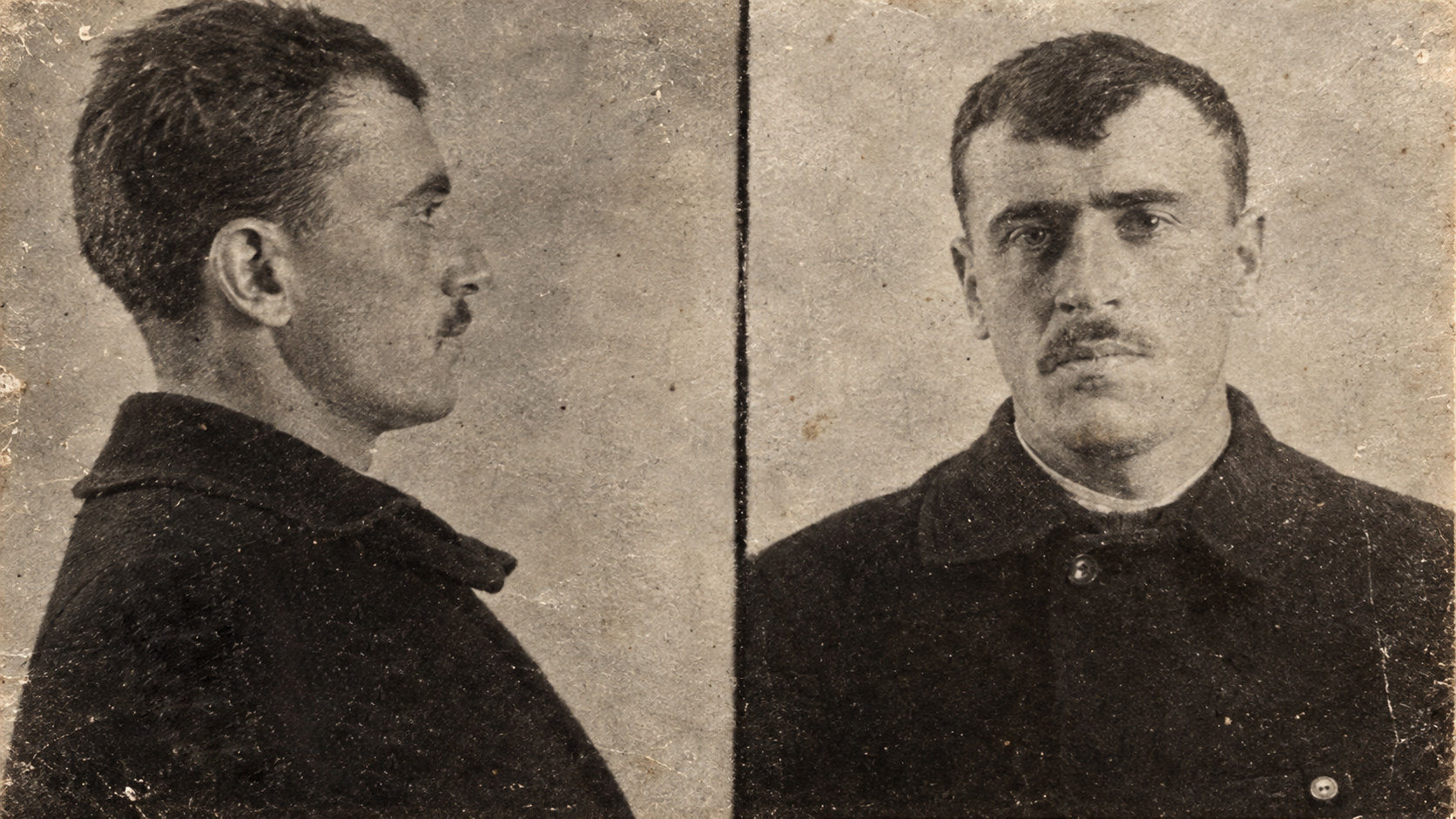
From 1929 to 1931, party organizations in Vojvodina operated in isolation. The process of rebuilding and establishing connections between them took place during 1934 and 1935. At that time, district committees existed in Bačka and southern Banat, while in northern Banat there were party organizations only in Zrenjanin, Kumane, Melenci and several other places.

Drinking in front of stores in Serbia is not just a custom – it’s an institution! It dates back to the first store and the first bottle of rakija – essentially, since the dawn of time. Even the old craftsmen in the Ottoman period would take a “merak break,” drinking in front of shops while debating if it would rain.
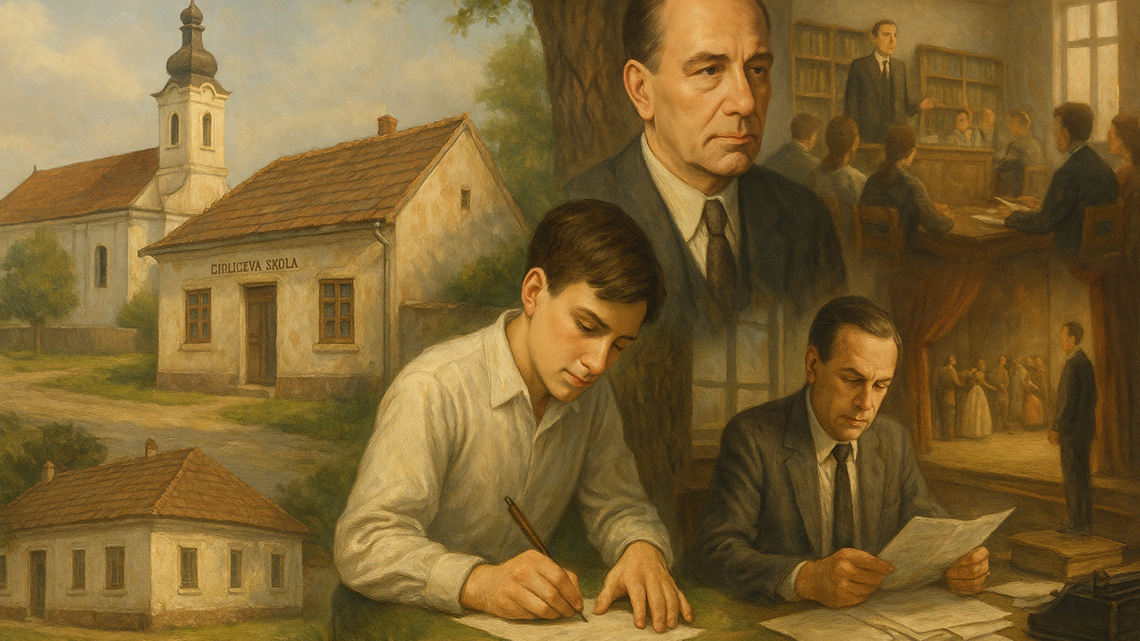
I do not consider myself an expert qualified to critically evaluate the literary work of Bogdan Čiplić. However, out of respect for him and from the memories of our friendship during the last ten years of his life, I will attempt to present—in the broadest terms—what I observed of his literary output.
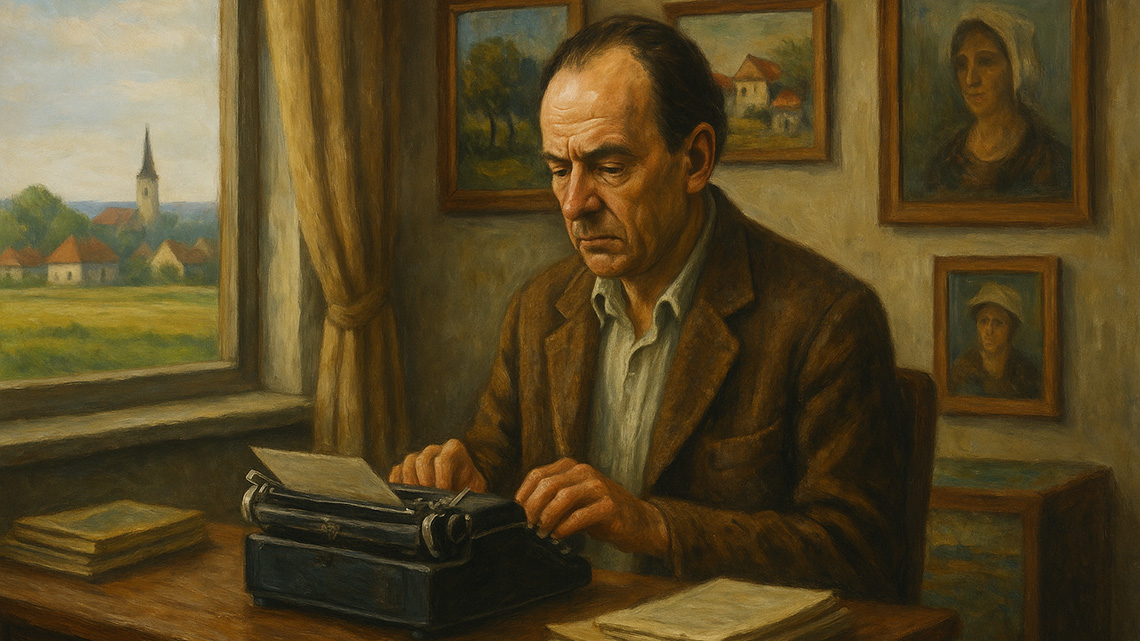
After the war, in 1948, Bogdan Čiplić wrote a new play titled Nad popom popa ("A Higher Priest than the Priest"). It was performed around ten times at the Serbian National Theatre in Novi Sad.

Until 1978, there was only one water management organization operating in this region — the Water Management Organization "Gornji Banat," headquartered in Kikinda. After 1978, a new organization was established: the Water Management Organization "Basic Canal Network" (OKM), based in Novi Sad.