



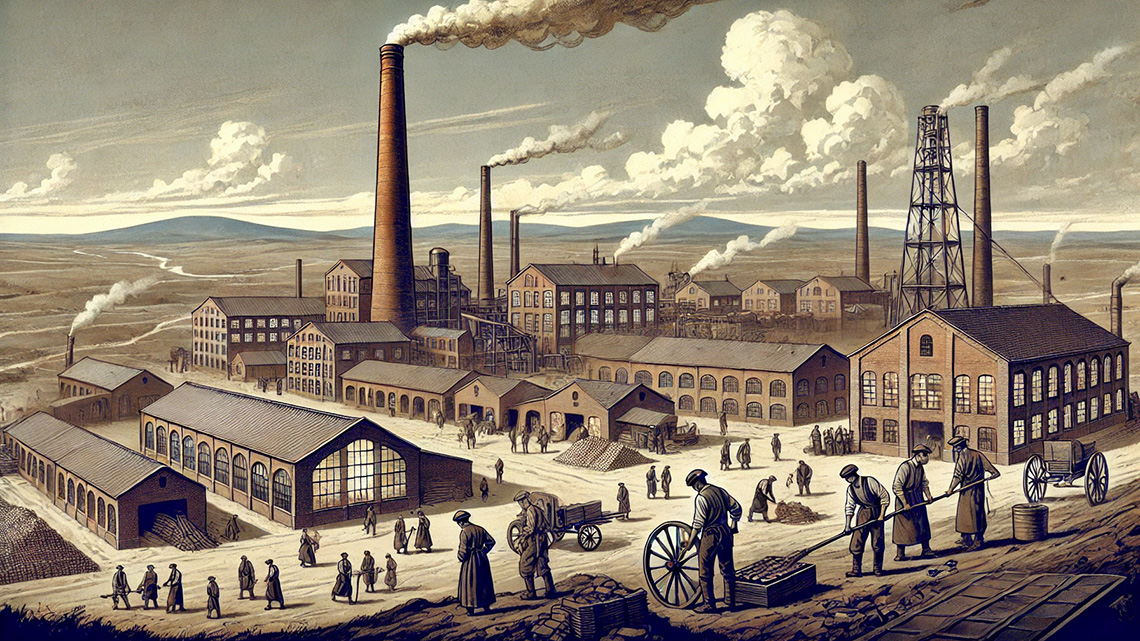
"Polet," a brick and tile factory, was founded in Novi Bečej by the Bon brothers in the early 20th century. They already owned similar factories in Kikinda and Žombol, recognizing the high quality of the clay in Novi Bečej, which proved to be quite profitable for them. They began investing substantial funds into this factory as well.
An intriguing historical document, published in the Belgrade newspaper Solidarnost on February 19, 1937, sheds light on the challenging conditions and social status of the workers in Novi Bečej, especially the seasonal workers employed at the factory. We present it in full:
"The Steam Brickworks 'Bon' and Its Workforce. – Few have not heard of this brickworks, and we believe that everyone has seen the products of this factory. Even fewer are those who pay attention to what is being done there and how. Since little or nothing has been written about it, I will attempt to depict the harsh life of the workers in this factory in this issue of Solidarnost, showing the bitter life they endure just to earn a few dinars for a meager existence.
This factory, like most in our country, is "seasonal" and usually employs around 400 workers during the season, but only about 40 workers remain during the winter, when the factory is mostly inactive. These workers are retained because they are needed for the next season, and also to repair the kilns that have been worn out during the season. For the seasonal work, around 300 children aged between 14 and 16 are employed, mostly frail and weak children, who work 14 hours a day for a meager wage of 120 paras per hour. This wage is the same for all, regardless of gender or physical strength; there is no distinction, and the wage remains 120 paras per hour for everyone. A smaller number of workers, mostly those working at the kilns, where the heat is unbearable and the work is extremely difficult, earn 150 paras per hour.
Thus, the highest established wage at this factory is 150 paras per hour. Indeed, an incentive system has been introduced, where these workers can earn more during the season, but they also work more. They often work 16-hour days and, with great difficulty, manage to earn a few dinars more than when they work 12 or 14 hours a day. The work at a brick factory is well-known to be hard, and in this factory, it is tougher than in any other. Workers at the kilns work in such intense heat that it is not uncommon for them to faint during work. They are then allowed a brief 5-minute paid break, during which they pour some water on their heads before returning to work for 150 paras per hour.
It often happens that some of the more aware workers dare to request a raise or complain about excessive working hours, or anything else they believe they are entitled to by law. In such cases, they are fired, and two young men take their place, completing the work for 120 paras per hour.
There is no need to discuss how these workers are treated, as the factory does not adhere to labor laws or regulations on working hours or working conditions. It is only logical that workers are exploited as they are. How long workers will endure such conditions at this factory depends on the workers themselves, but it is believed they will soon realize that their primary duty and obligation is to their union organization. Only through this organization will they improve their harsh working and pay conditions.
It is high time for them to recognize that there are laws protecting the working class, but that protection must be sought through collective action and their union. Therefore, workers must join the union, for only through it can they improve their difficult working and pay conditions."
According to the language used in the article, it is most likely written by a seasonal worker at "Polet," who was not a local resident and signed the article simply as "a worker." He appears to be concerned about losing his job as well.
This valuable newspaper article not only contributes to the history of the Novi Bečej factory "Polet" but also serves as a reflection of the social environment of that time. However, it is an undeniable historical fact that, even during that period, many families in Novi Bečej secured a modest social existence by working at this factory.
Comments