

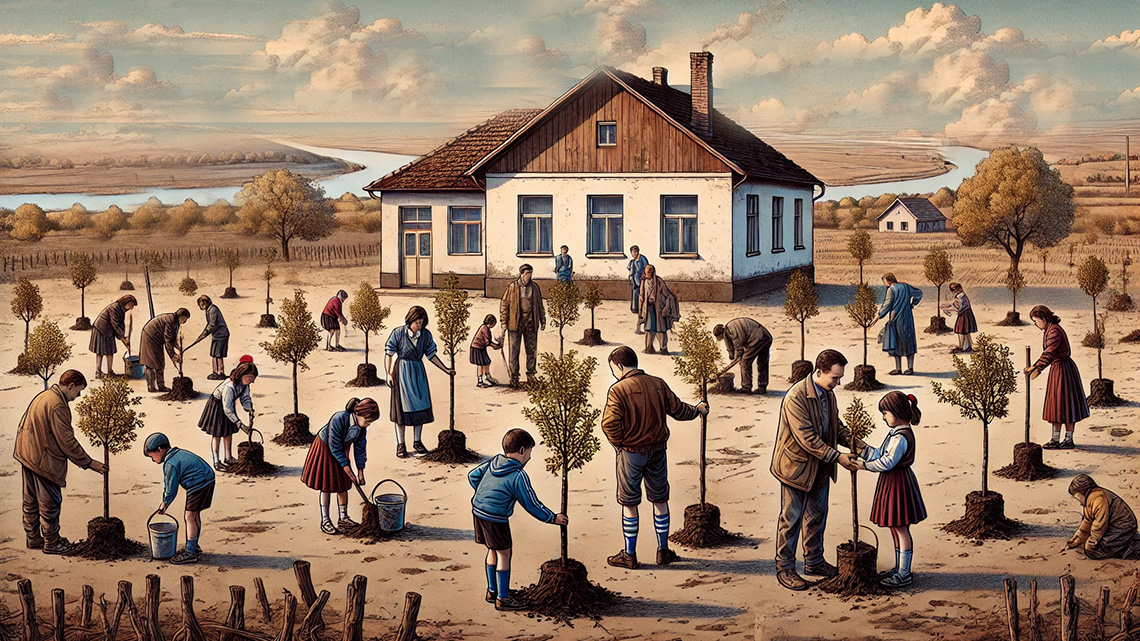
The Law on Social Care for Children came into effect on July 2, 1992, marking the beginning of changes in the functioning and operations of preschool institutions.
The 1992/93 school year was extremely challenging, characterized by high inflation and difficulties in making ends meet. The Ministry of Veterans' and Social Affairs provided food supplies for the children's meals.
Breathe life into the forgotten stories of Novi Bečej through our rich collection of articles dedicated to people and events from the past. Travel through the ages, exploring the colorful array of historical moments that shaped our city.
Share this page on social media
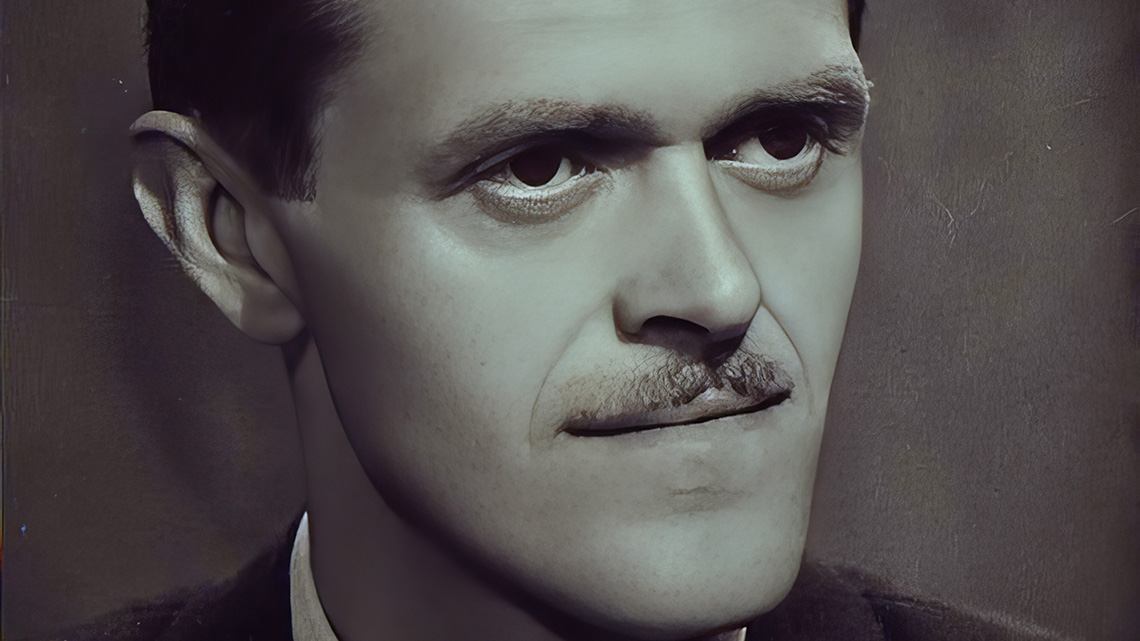
Ivan Jovanović, an only child of Dragomir Jovanović, a merchant, and Zlata Jovanović, née Aranka Stanišić, a teacher, was born in Novi Bečej on February 13, 1928. The Jovanović family house was located in the heart of the town on Žarka Zrenjanina Street, number 1. While his father Dragomir was busy with the family business, Ivan mostly grew up alongside his mother and his aunt Leposava Jovanović, a teacher, who were known not only for their strictness but also for their versatility and fair pedagogical approach toward children.
At the end of the 9th century, specifically in 895, the Hungarians invaded the region along the middle course of the Danube and Tisza rivers, where they encountered numerous South Slavic tribes. Initially participants in and organizers of raids, they gradually transitioned to a settled way of life and adopted many habits and customs of the indigenous South Slavic population.
To successfully achieve the goals and objectives of preschool education, a qualified teaching staff was essential. Former educators with five years of secondary education graduated from the Pedagogical Academy for Educators while working between 1975 and 1979. They took pride in the fact that out of 21 educators, 19 graduated from the Academy.
