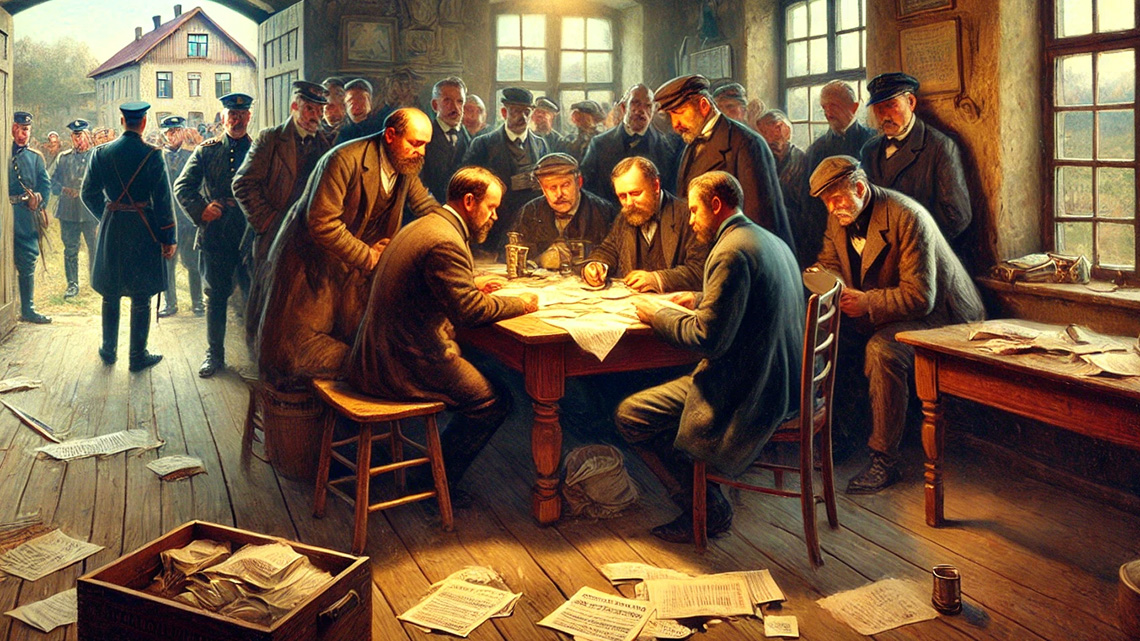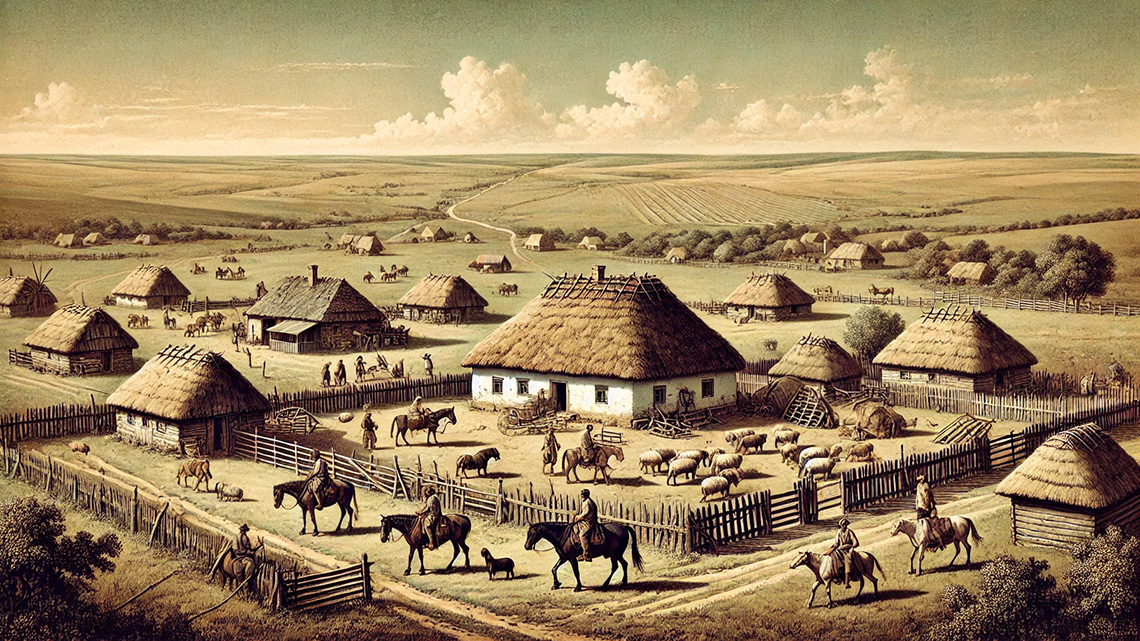

Poverty and harsh working conditions forced the rural poor and proletariat to organize and fight through strikes. Although there were strikes in previous years, those in 1897 were the most massive. The center of the struggle was in Elemir, and the most significant battle took place in Potisje, in the former District, where the strike gained the most momentum in Turski Bečej, Kuman, Melenac, and especially in the Torda municipality.
Immerse yourself in the fascinating world of the past and culture of Novi Bečej through our virtual library, where the pages of books turn into windows through time. Here we discover the wealth of local heritage through complete works that bring stories of brave people, important events and unique traditions.
Share this page on social media
After drainage, water supply has taken the most significant place. Future water consumption from the Basic Canal Network (OKM) and the spatial distribution of water demand have been considered. The characteristics of the OKM's water intake points on the Danube and Tisa Rivers have been studied, with attention to technical reliability and cost-effectiveness of water supply.
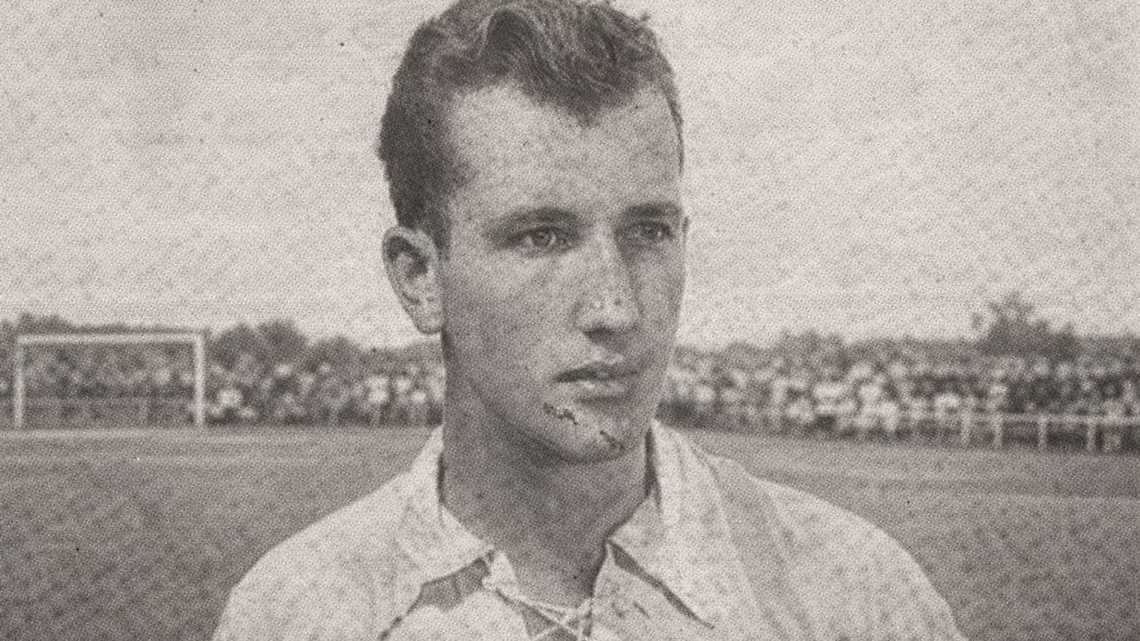
Šandor Kiš was one of the rare true football stalwarts of his generation. A hardworking and exceptionally combative half-back, he left a strong mark with Turul, and after the Second World War he also played for Zvezda.
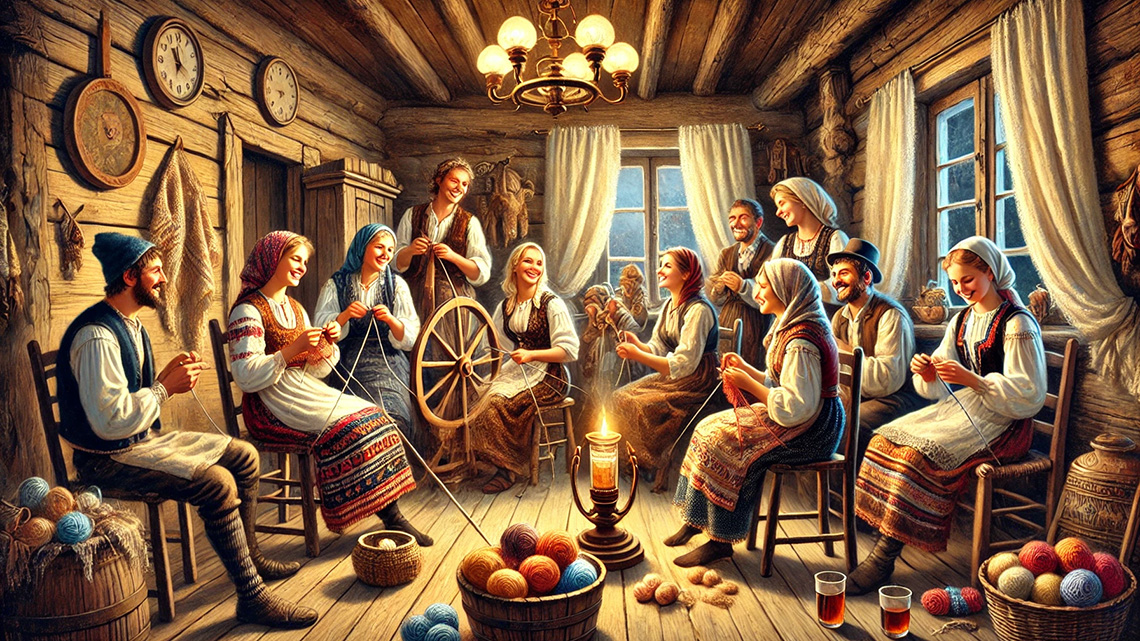
The very name of these gatherings suggests that they were created so that women could gather in the autumn and winter evenings to talk about everything that had happened in the village while spinning with a spindle. Once they exhausted the stories of events that had taken place during that time, they would tell folk tales. When the storytellers "ran out" of stories, the conversation would turn to songs, and this cycle continued from one gathering to the next.
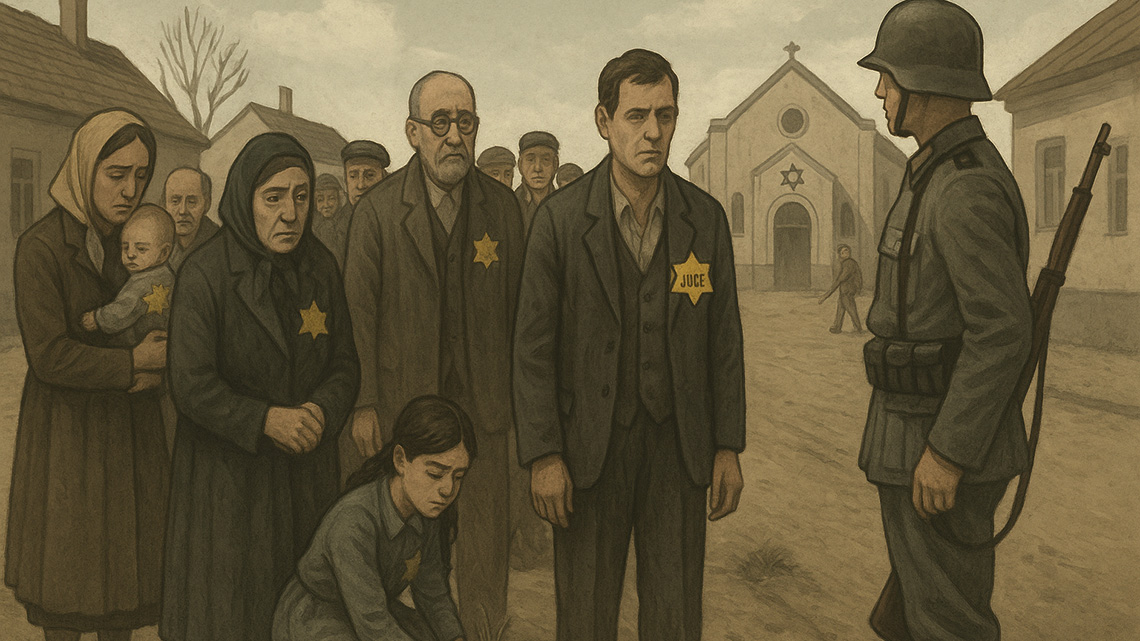
The only prominent Jew from Novi Bečej who was not arrested at the time was Dr. Dezider Kanic, a lawyer. He made direct contact with the military commander of the town and, proving that he had served as a German "Uhlan" officer, managed to obtain permission to move to Hungary (see the testimony of Dr. Viktor Jordanić).
In the harsh conditions of the economic crisis — especially in a year when it reached its peak — the football enthusiasts of Novi Bečej, or perhaps even better described as fanatics, organized a true football spectacle in 1932. That year, they managed to bring the multiple national champion, the Belgrade Sports Club (BSK), to Novi Bečej.
A turning point for Zvezda, and perhaps for football in Novi Bečej in general, came in 1939. Players who had once been children had now matured into young, competent footballers, whose skills far surpassed those of Jedinstvo players. Most of these footballers had come up through the youth clubs Zvezda and Banat, where they systematically honed their football abilities without guidance from older players.
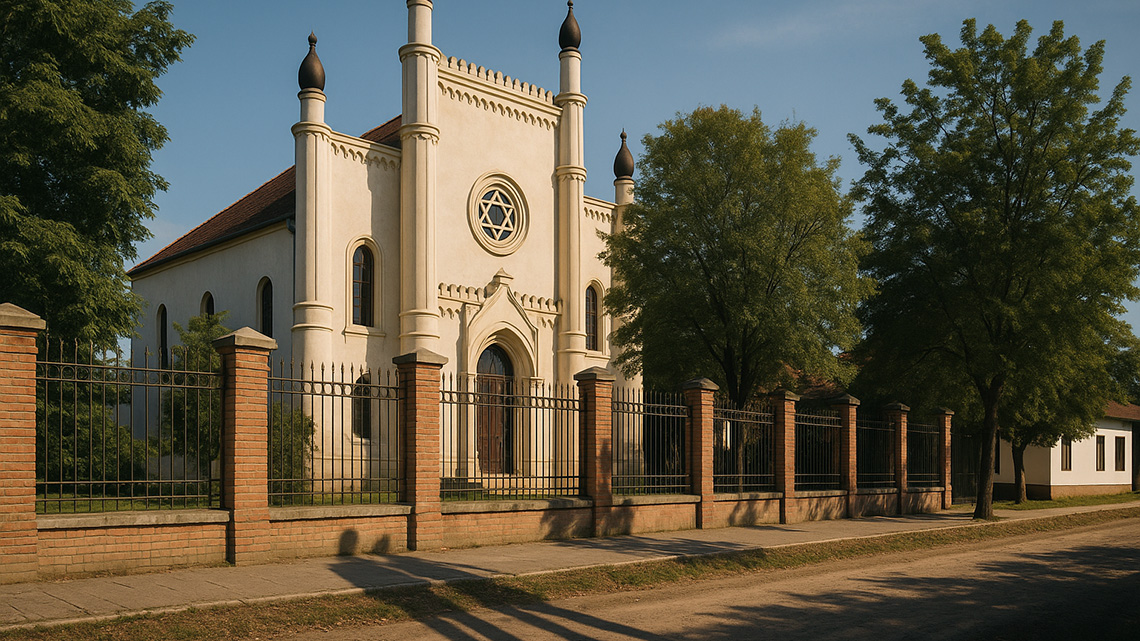
The Jewish community of Novi Bečej and Vranjevo had deep roots and played a significant role in the town’s economic, social, and cultural life between the two world wars.
They were merchants, doctors, craftsmen, clerks, and entrepreneurs — people who contributed to the growth of the community and whose homes and businesses were part of the daily life of Novi Bečej.
Sava Baračkov was born in 1929 in Kumane, Banat, where he completed elementary school. He attended construction and architectural secondary schools in Novi Bečej, Petrovgrad, and Novi Sad. In 1955, he graduated from the Department of Scenography at the Academy of Applied Arts in Belgrade, under the mentorship of Professor Milenko Šerban.
Open Competition for Solo Singers
The tenth edition of the Serbian Solo Vocal Music Festival, dedicated to the founder of Serbian art song Josif Marinković, was held from 23 to 25 May 2002 and centered on the Open Solo Singing Competition.
24–27 May 2005
Invitation Composers’ Competition
The 13th edition of the event “Horizons on the Tisa” – Josif Marinković Days began on 18 May in Belgrade, when a delegation from Novi Bečej laid flowers at the graves of Josif Marinković and his grandson, Dr. Ivan Valčić. On the official opening day, 24 May, a wreath was also placed on the building of the former birthplace of the composer in Novi Bečej.
In the 1890s, Socialists were already participating in local elections. In some places, they took power. In Kuman, they achieved their greatest success in the municipal administration elections of 1898, when members of the Social Democratic Party were elected to the Municipal Board: Toša Stančić, the municipal prince, Boža Radišić-Bratko, the secretary, Živa Sekulić, and Laza Tubić, councilors.
After the accident of the small ship Stari Bečej on September 12, 1931, Novi and Stari Bečej were left without daily passenger boat transport for a while. However, this situation didn’t last long, as the Belgrade shipowners Jezdić and Bakarić agreed to provide transport using their beautiful and almost new motorboat Tomislav.
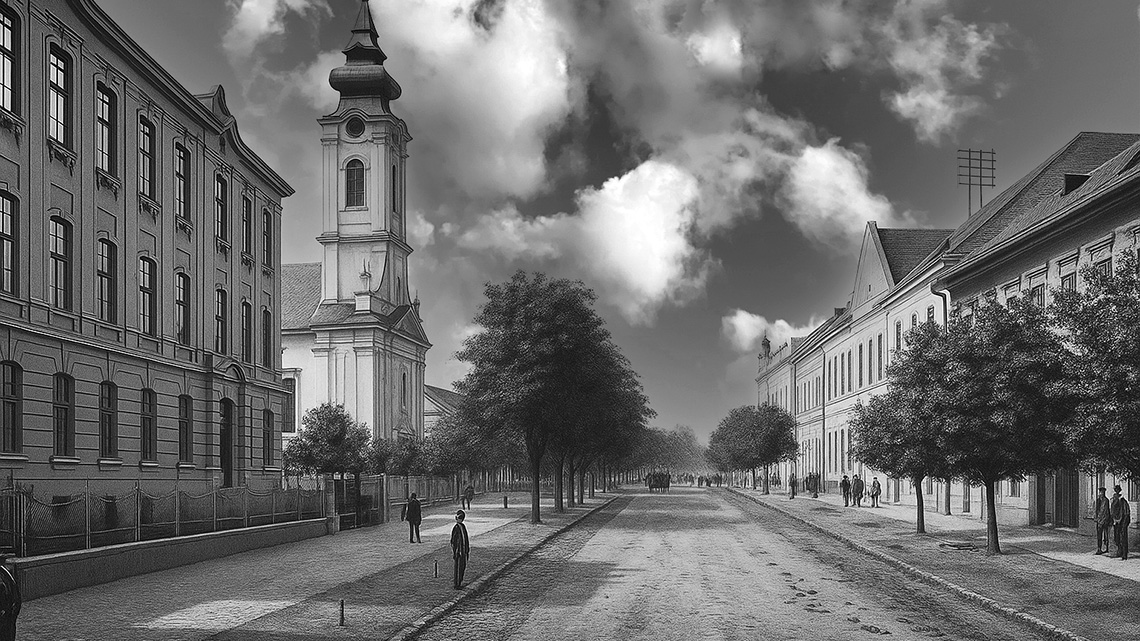
This image shows the appearance of Novi Bečej in the late 1910s, with a focus on its Main Street — at the time, the central axis of everyday life, trade, education, and religion. On the left side, we see the prominent building of the state school, one of the cornerstones of the town’s modernization. This institution served not only as a place of learning but also as a space for shaping the collective identity of a diverse population.
The first parliamentary elections for the Constituent Assembly were called only two years after the unification, at a time when the bourgeoisie believed it had achieved a certain level of international and internal consolidation.
Last night, at half past seven, a member of the Serbian National Theatre, Serbian actor and writer, the most outstanding theatrical character artist in the Slavic South—Laza Telečki—passed away at the age of 33. Tuberculosis, which has become a common ailment among the youth, and in his case, almost a family curse—having already claimed two of his brothers and a sister—has taken his life.
Until the outbreak of the Second World War, football in Novi Bečej was burdened by severe financial difficulties, even when it came to meeting the most basic needs. Above all, Novi Bečej lacked an industrial base from which any form of material support for football clubs could have been expected.
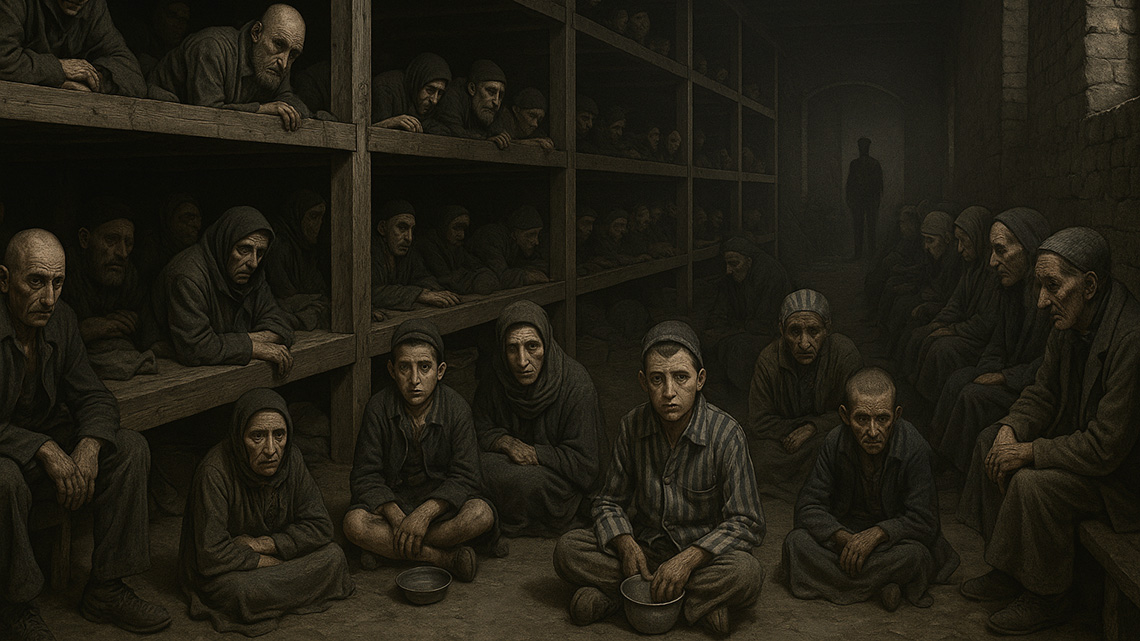
The only available testimony describing the living conditions in the Novi Bečej concentration camp comes from Tihomir Ungar from Novi Sad. At the time, he was a child imprisoned in the camp along with his entire family, who had been brought from Novi Kneževac to the temporary holding facility in Novi Bečej, where they awaited deportation.
Perhaps the reason must be invented
Perhaps the relation between the idea and its conventional realization in traditional painting techniques, as well as the relation between such an image and its photocopy (which contains additions from photographs and objects), can be measured—perhaps even considered identical.
June 3 and October 4, 1999
After two open solo-vocal competitions (1995 and 1997) and two invitational composition contests (1996 and 1998), the organizers of “Horizons on the Tisa” planned the seventh edition of the event with great ambition.
Novi Bečej, unlike most places in Vojvodina, celebrates in this year, 1991, nine hundred years since the first written record of its existence, although there is fairly convincing evidence that it existed some fifty or more years earlier.
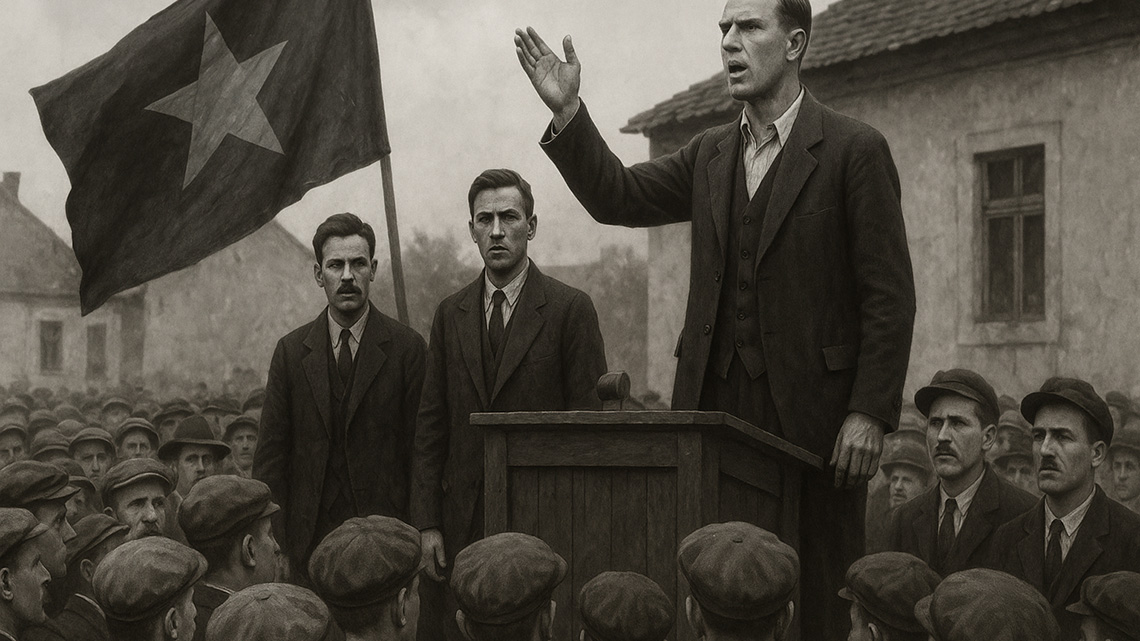
He emerged in 1930 during the monarcho-fascist dictatorship of King Alexander Karađorđević and General Petar Živković. It was a time of the darkest reaction and the triumph of the Law on the Protection of the State. This was an era of strict illegality for the Communist Party, where its fighters, carrying the banner of revolution, were sentenced to long prison terms, dying under police beatings, or being shot while "attempting" to escape—a justification often used by the police for their crimes.
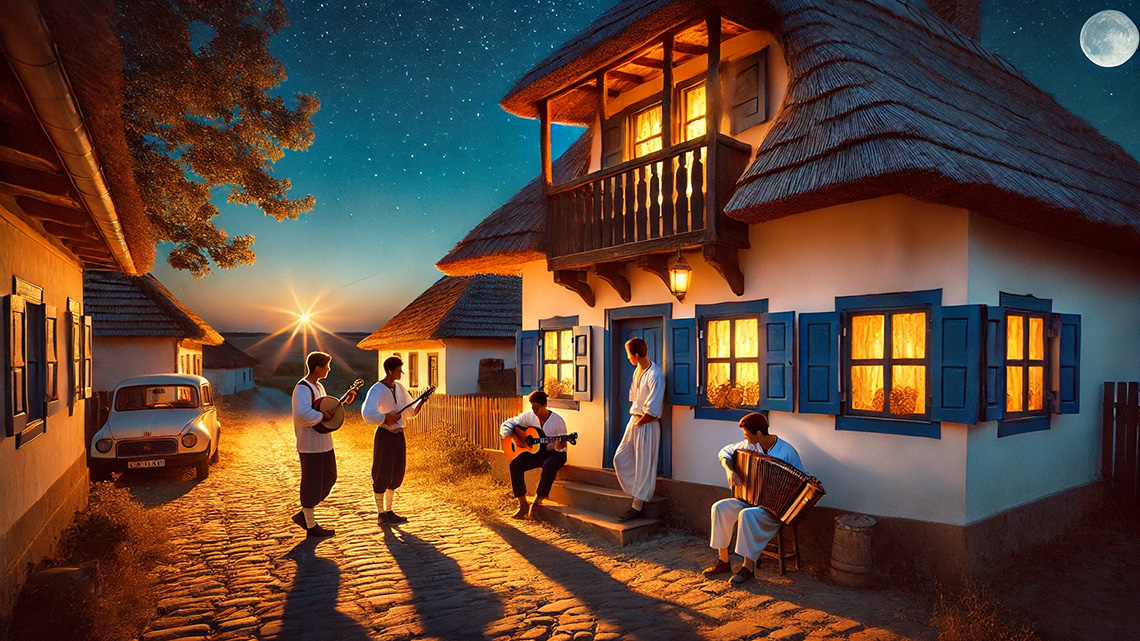
Sometimes, enchanted by the magic of summer evenings, sitting on the benches of the embankment, we would decide to share our joy with those who were not with us that night. And so, we would make the decision to perform a serenade for one of our dear friends or a charming guest.
Drinking in front of stores in Serbia is not just a custom – it’s an institution! It dates back to the first store and the first bottle of rakija – essentially, since the dawn of time. Even the old craftsmen in the Ottoman period would take a “merak break,” drinking in front of shops while debating if it would rain.
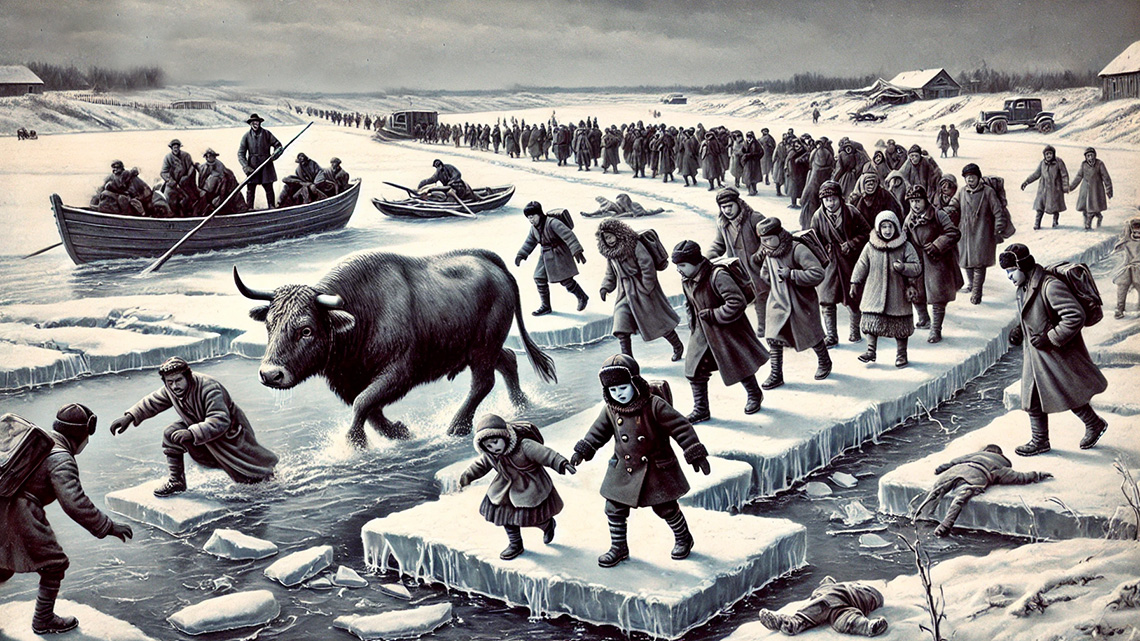
Winters, in the times I remember, were harsh and long, with plenty of snow. These days, such winters occur roughly every 8-10 years, but back then, they were almost a regular occurrence. Frosts would start in November, and snow would arrive by mid-December, lasting until the end of February.
The two-story building of the former Tursko-Bečejska Savings Bank is located at 3 Marshal Tito Street, extending from the Schlesinger Palace, at the corner with Gimnazijska Street. According to documentation from the Institute for the Protection of Cultural Monuments in Zrenjanin, written by art historian Vesna Majstorović, the following details about the building are known:
It is difficult to say how long the rivalry between Zvezda and Banat might have lasted had Banat not been reinforced as early as mid-1936 by former players of Jedinstvo, who were significantly older and physically stronger. Under such circumstances, Zvezda, with its predominantly youthful team, was no longer able to compete on equal terms. The first match played between the two clubs after these changes took place on April 9, 1936, and ended with a 4–2 victory for Banat.
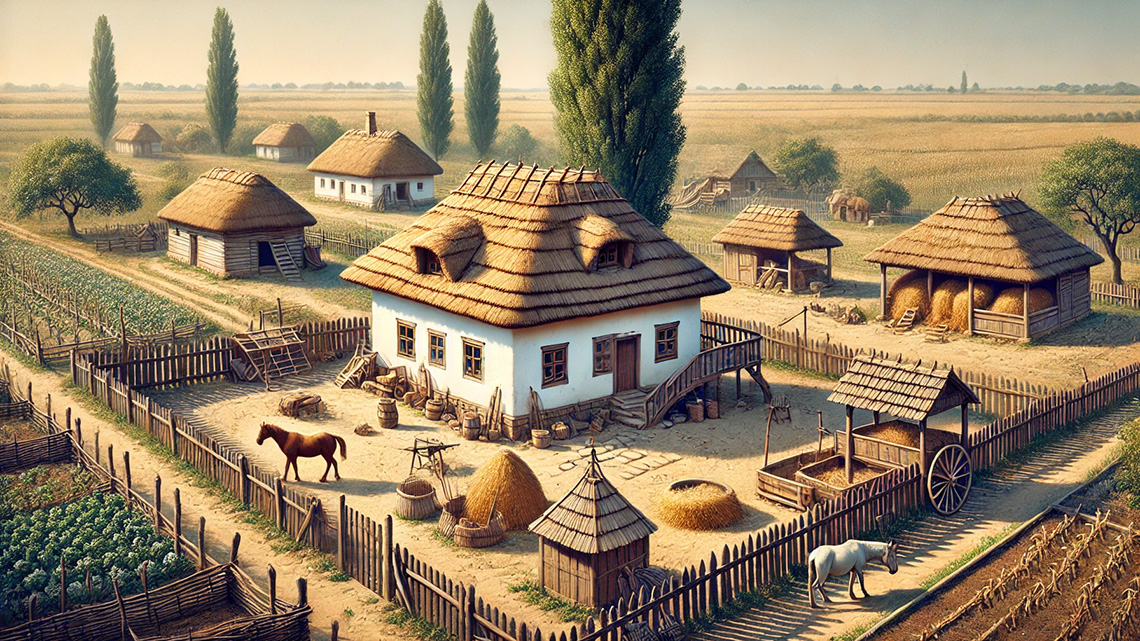
As part of presenting the role of farmsteads in the lives of our fellow citizens from the not-so-distant past, it is useful to describe the general appearance of a farmstead yard, along with the arrangement of buildings and rooms within them. This is even more relevant because village house yards were similar in layout, making this account valuable for documentation purposes as well.
The way of life in Banat and Bačka differed under Ottoman rule and after their expulsion, up until the late 18th century. People initially lived in small settlements, but with colonization and land distribution, successful farming created the necessity for farmsteads (salaši).
May 29–30, 1997
In the last days of May 1997, the small town on the left bank of the Tisa River once again came alive with the spirit of the Days of Josif Marinković.
- From Kindergarten to Educational Institutions: The History of Preschools in Novi Bečej
- Water Management Structures in Novi Bečej: Ustava, Ship Lock & Canal Network
- Worker's Days at "Polet": The Ups and Downs of the Brick Factory in Novi Bečej
- 2nd “Horizons on the Tisa” – Days of Josif Marinković 1994 in Novi Bečej
- The Workers' Movement During the Period of Legal Activity of the Communist Party of Yugoslavia (1918–1921)