



May 29–30, 1997
In the last days of May 1997, the small town on the left bank of the Tisa River once again came alive with the spirit of the Days of Josif Marinković.
For the fifth time, the people of Novi Bečej, with enthusiasm and sincerity — driven by their love for art and culture — opened their hearts and warmly welcomed young artists, selflessly organizing the second open competition for solo singers, held on May 29 and 30.
In addition to about fifteen donors, the two-day event was supported by the Ministry of Culture of the Republic of Serbia and the Provincial Secretariat for Science, Culture and Education of Vojvodina. On their behalf, the manifestation was officially opened in the hall of the Josif Marinković Elementary School by Goran Latinović, Provincial Secretary for Culture.
The festive atmosphere was enhanced by the school choir, led by Zagorka Jegdić, performing Marinković’s composition The Darling of Spring (Ljubimče proleća).
The event then moved to the Workers’ Home “Jovan Veselinov Žarko”, where the first stage of the competition began that same evening in the theater hall.
A Tribute to Josif Marinković
In his address dedicated to Josif Marinković, ethnomusicologist Dr. Dimitrije O. Golemović offered a special reflection on the composer’s solo song opus:
“During the lifetime of Josif Marinković (1851–1931), one of the most important Serbian composers, Serbian music went through a great transformation — from its earliest artistic beginnings to the period of fully developed, though somewhat delayed, Romanticism.
He distinguished himself in the field of vocal music as the creator of choral compositions Kola — a kind of his own rukoveti (suites) — but even more through his solo songs.
Marinković had, one might say, an instinct for the lied. This form, typical of Romanticism, clearly suited him in many ways, allowing him to express himself in the best possible manner — both in relation to the text, which in his work represents a genuine school of diction for any composer writing solo songs, and in relation to the vocal melody, which he developed to unprecedented artistic heights.
As an excellent pianist, unlike his predecessors who often treated the piano part as secondary, Marinković expanded and enriched it, often achieving what is known as the ‘symphonization of the piano part’.
As a composer of the lied, he elevated it to the level of a true artistic genre, laying the best foundation for its further development in Serbian music.
Even today, Marinković’s solo songs radiate with full strength, testifying to the musical genius of their creator, whose art transcends the boundaries of time.”
Solo Singing Competition
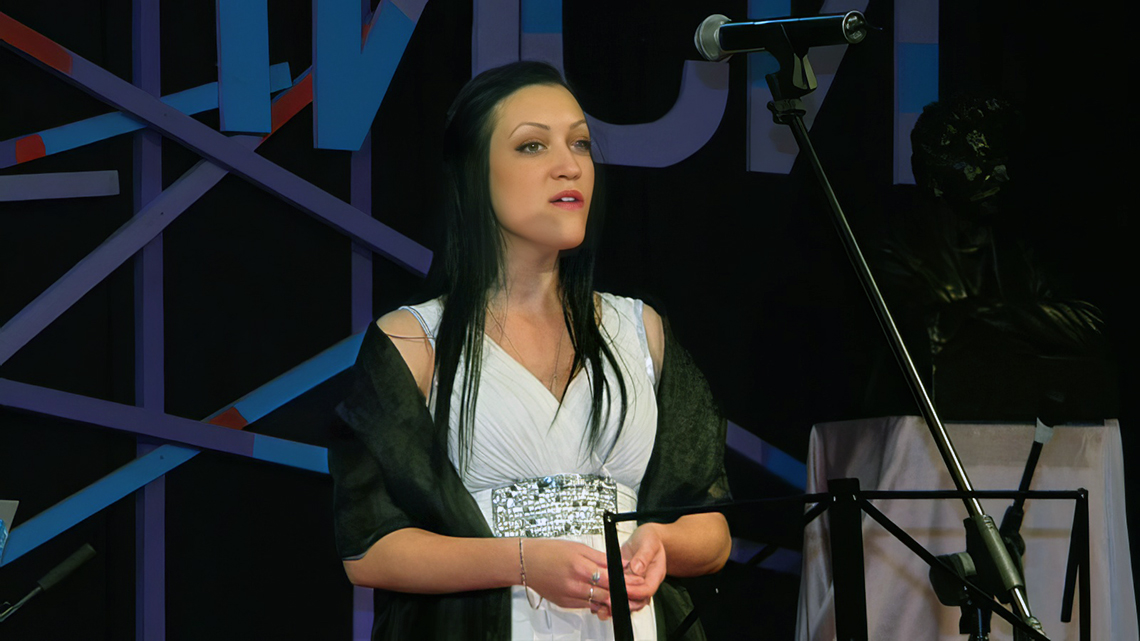
For the second open solo singing competition (for performers up to 30 years of age), 19 singers applied, of whom 16 appeared in the first stage — 12 female and 4 male contestants.
According to the rules, each singer was required to perform one aria by an early master, a solo song by an early or late Romantic composer, and one mandatory song by Josif Marinković.
The contestants performed in the following order:
(The full list of contestants remains unchanged as in the Serbian version — simply formatted in order.)
The Jury and the Final Stage
The jury — Biserka Cvejić (president), Radmila Smiljanić, Vera Kovač Vitkai, Dejan Miladinović, and Miroslav Štatkić — decided that ten contestants would advance to the second, final stage: six female and four male singers.
In the final, six female voices (three mezzo-sopranos and three sopranos) and four male voices (one baritone and three tenors) were required to perform three pieces: one solo song by a Yugoslav composer, one by a foreign author, and one opera aria.
Award Winners
Female voices
1st Prize: Nataša Jović, Jelena Bodražić
2nd Prize: Violeta Poleksić
3rd Prize: Danijela Jovanović, Darija Olajoš
Male voices
1st Prize: Vladimir Andrić, Dejan Maksimović
2nd Prize: Saša Štulić
3rd Prize: Radmilo Petrović
Audience Award: Danijela Jovanović
“Josif Marinković” Award: Aleksandra Stamenković – for her interpretation of Gold Walked Through the Garden (Gradinom zlato hodilo)
Homage to Slobodan Bursać
During the break between the two stages of the competition, the Selo Gallery hosted the opening of the exhibition Fears Five (Strahovanja pet) by Zrenjanin painter Milutin Mićić.
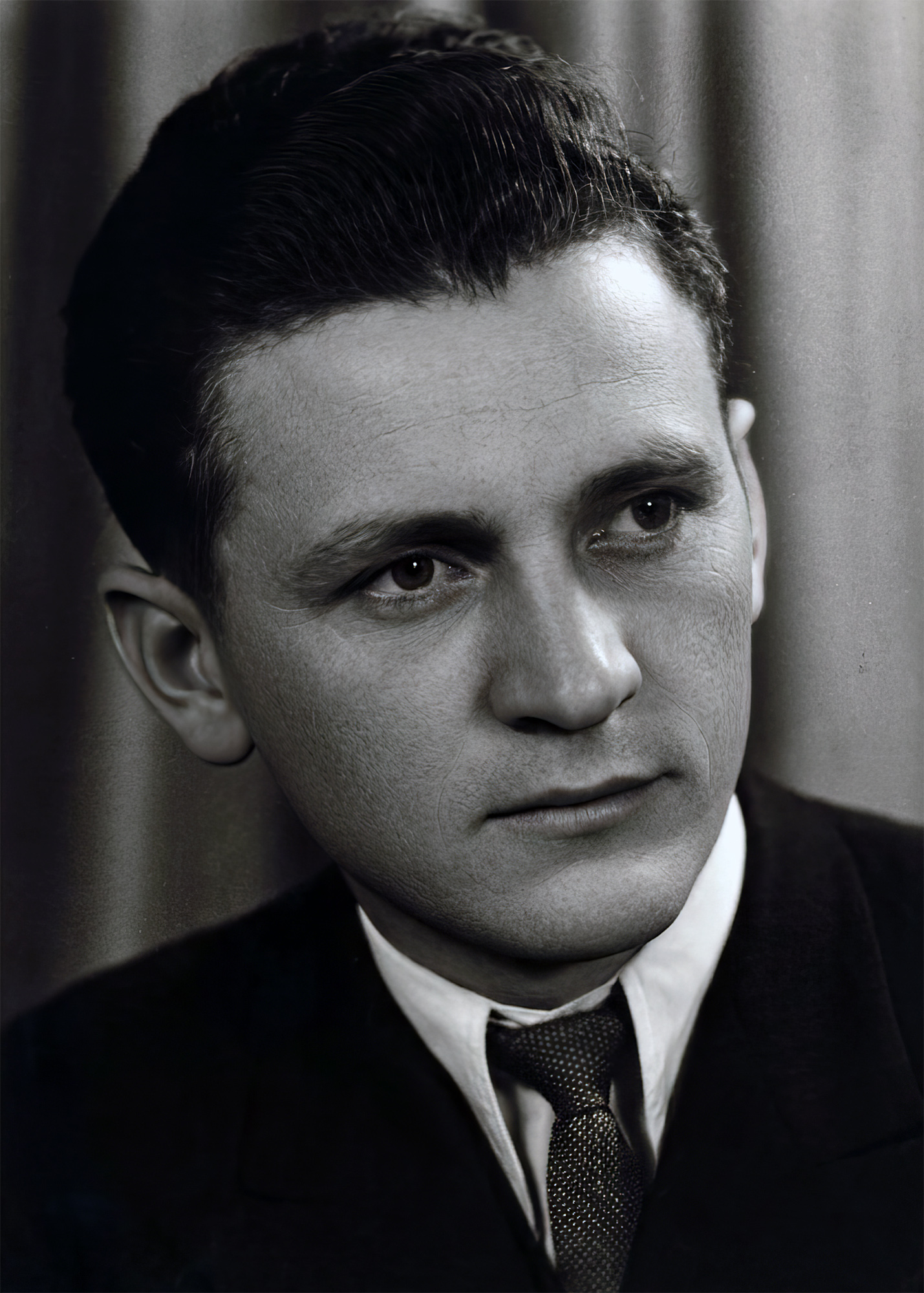
The paintings were inspired by the life and work of Slobodan Bursać (1941–1993) — the conductor with whom the Josif Marinković Choir from Zrenjanin achieved international acclaim at the World Choir Festival in Llangollen, Great Britain (1987), where they earned the title “Choir of the World.”
Through this exhibition, the organizers sought to revive the memory of this Zrenjanin conductor who greatly contributed to the founding of the Novi Bečej festival Horizons on the Tisa.
The “Horizons” Concert
The fifth Days of Josif Marinković concluded with a concert by Dubravka Nešović and her guest Ljuba Manasijević.
The collage-style program was complemented by the “Biseri” Tamburitza Orchestra from Temerin and the newly formed Tamburitza Orchestra of the Workers’ Home “Jovan Veselinov Žarko”.
After the concert, at the traditional gathering on the terrace of the Workers’ Home, participants were joined by Željko Lučić, winner of Horizons 1995, who later went on to win first prize at the Solo Song Festival in Barcelona.
A Piano for the Fifth Anniversary
It is not uncommon for local companies to financially support cultural events, and such an example was recorded in Novi Bečej as well.
The company “Polet” IGK AD maintained a patron and friendly relationship with the Days of Josif Marinković from the very beginning, thanks especially to the efforts of Nikola Arsenov, director of the general sector.
To mark the fifth anniversary of the festival, Polet gifted the organizers a Seiler semi-concert piano, greatly facilitating the work of accompanists during the composition competition and the solo singing contest.


Comments