



Until the outbreak of the Second World War, football in Novi Bečej was burdened by severe financial difficulties, even when it came to meeting the most basic needs. Above all, Novi Bečej lacked an industrial base from which any form of material support for football clubs could have been expected.
These economic problems were further aggravated by Novi Bečej’s unfavorable position within the competition system of the Banat Sub-Association. Although in many other respects Novi Bečej was oriented toward Veliki Bečkerek, and railway timetables were adjusted accordingly, the situation was quite different when it came to football competitions. Veliki Bečkerek could not include a Novi Bečej club in its competitive group, as it already had a sufficient number of local clubs (seven to eight), and the participation of a club from Novi Bečej would have caused additional and exceptionally high costs for organizing matches.
As a result, Novi Bečej clubs were usually grouped with teams from Velika Kikinda. However, there was no suitable railway connection between Kikinda and Novi Bečej. There was never an evening train from Kikinda to Novi Bečej, which meant that away matches required considerable expenses—either for travel by bus or for overnight accommodation in Kikinda.
Later on, when clubs from what is today known as Veliko Selo entered the competition, travel became even more demanding and costly. Such expenses could not be covered by the revenue generated from return matches played in Novi Bečej.
Another significant drawback was the absence of two local clubs whose rivalry could have attracted larger crowds and ensured steady matchday income with minimal expenses. In this respect, clubs from Veliki Bečkerek enjoyed a clear advantage, as they competed against one another without travel or additional costs, while public interest in these local derbies was often greater than in matches against clubs from Vršac or Kikinda—especially when the opponents were teams of the caliber of Novi Bečej’s Jedinstvo.
A third major factor that further increased financial hardship was the frequent flooding of the football ground due to the overflowing of the Tisa River. As a result, seasons were short, continuity and quality of football suffered, and public interest in matches declined accordingly.
Although various solutions were considered, there was never sustained effort to establish two or more local clubs that could have created stronger rivalry. The economic benefits of such close local competition were not fully recognized—that increased attendance would raise club revenues while keeping expenses to a minimum, since costly travel, which consumed most of the available funds, would have been avoided.
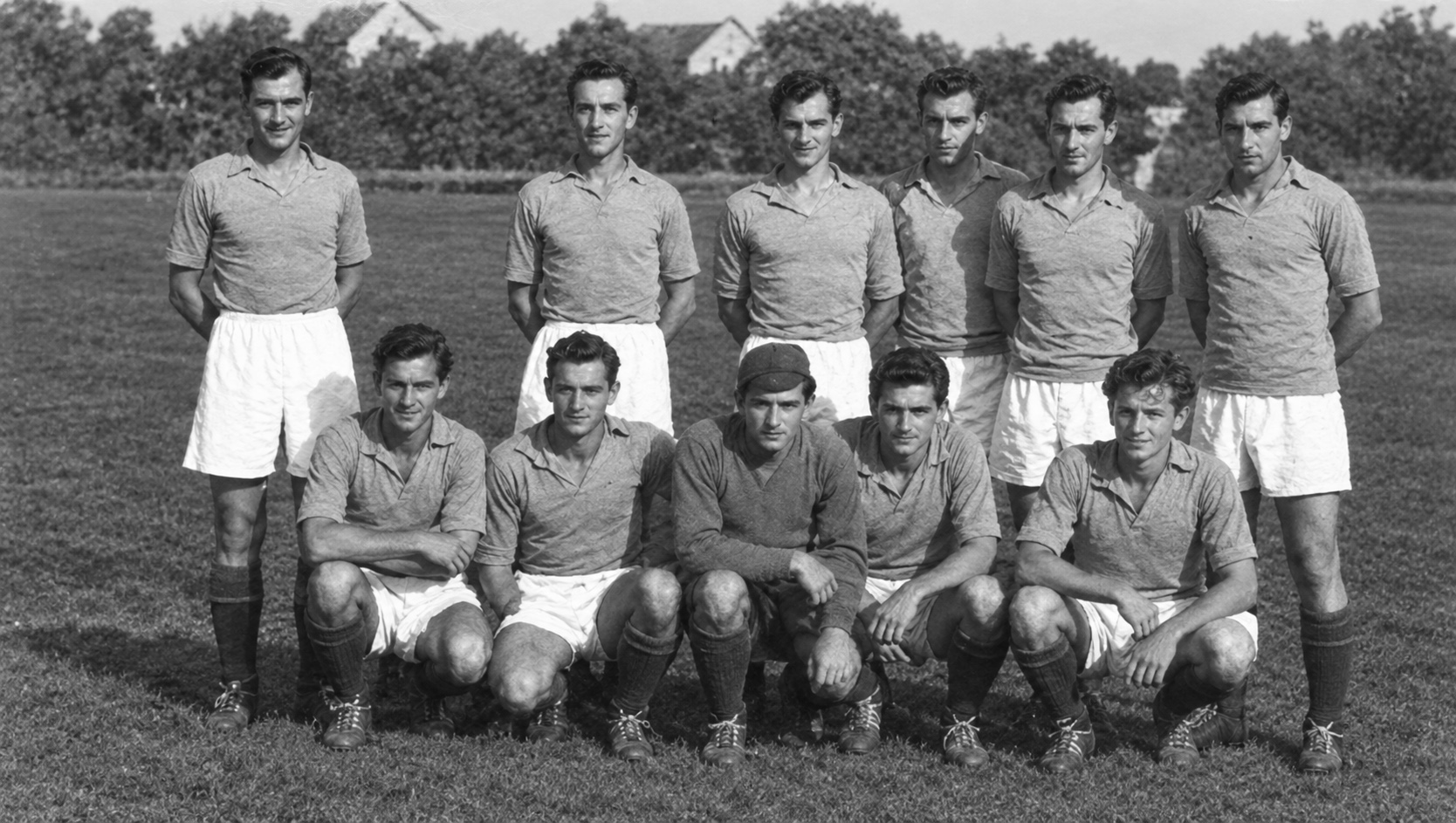
Nevertheless, despite extremely difficult conditions, Novi Bečej’s athletes managed to preserve the continuity of football, provide enjoyment for football enthusiasts, and offer young people the opportunity to play the game. It often happened that as one club faded, another emerged, along with new enthusiasts who carried the torch of football from generation to generation, all the way to the present day.
Comments