

Drainage enables the reception of all excess water from the catchment area—either by gravity (free fall) or artificially using pumps—and evacuates it further into the main receivers: the Tisa and the Danube rivers.
Immerse yourself in the fascinating world of the past and culture of Novi Bečej through our virtual library, where the pages of books turn into windows through time. Here we discover the wealth of local heritage through complete works that bring stories of brave people, important events and unique traditions.
Share this page on social media
The most difficult year for Jedinstvo was 1933. After a generational change at the end of 1932, the club faced a weakened playing squad, while the pitch itself remained flooded until mid-June. Training sessions that schoolteacher Sava Mojić had begun regularly in the autumn of 1932 and resumed in March 1933 were interrupted as early as mid-April due to the flooded ground.
Sometimes, enchanted by the magic of summer evenings, sitting on the benches of the embankment, we would decide to share our joy with those who were not with us that night. And so, we would make the decision to perform a serenade for one of our dear friends or a charming guest.
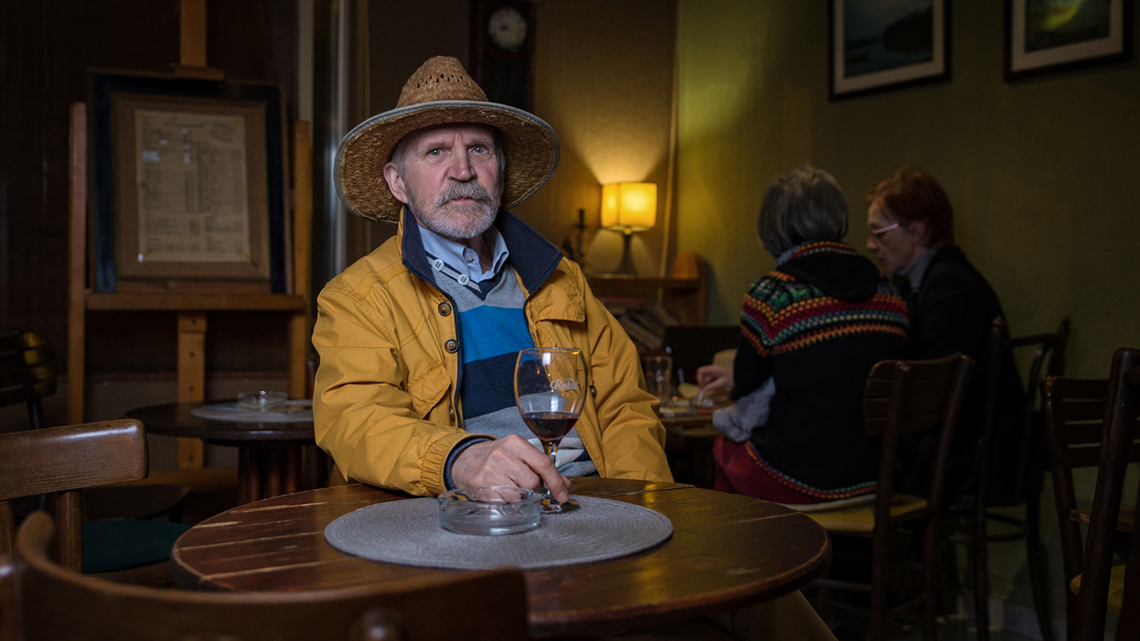
A master of watercolor and a guitar virtuoso, Branislav Stojančev—affectionately known to the people of Novi Bečej as Paša—was born in 1952. A lover of art, nature, and the Tisa River, he began his watercolor journey in 2001, dedicating himself to this delicate yet demanding painting technique. Since then, he has embraced its challenges with great success, finding in watercolor a source of peace, inspiration, and inner balance.
How This Booklet Came to Be
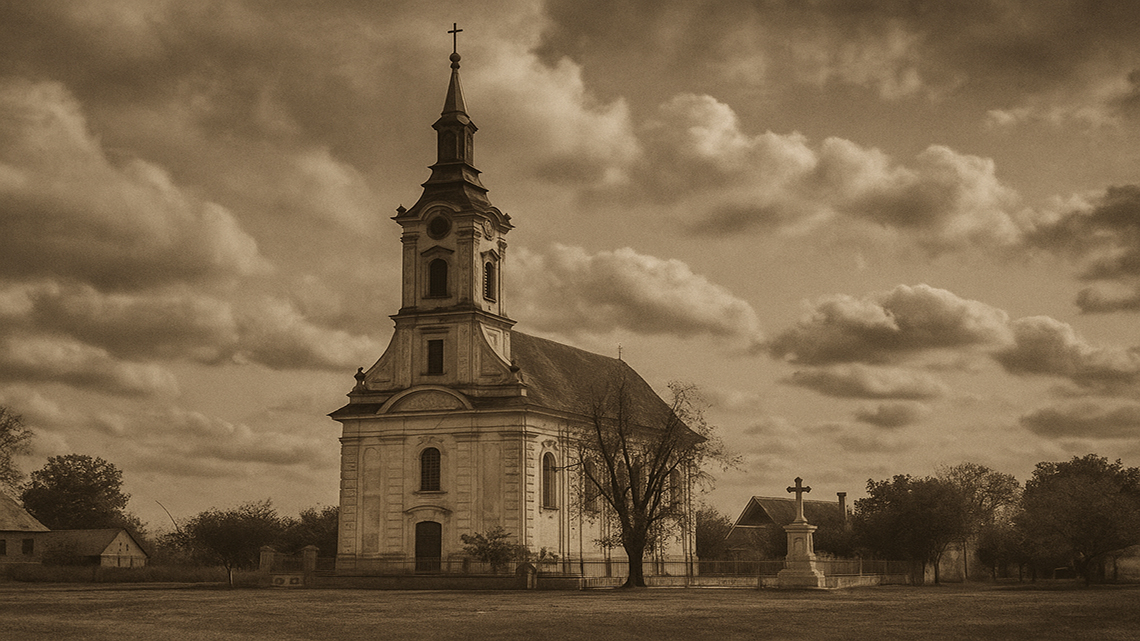
When my article titled “Kumane” appeared in the Yugoslav Daily on August 2, 1931 (issue no. 202), my parishioners received it with great enthusiasm. It was read aloud in gatherings and on street corners before groups of listeners. Soon, many expressed the wish that it be printed as a small booklet and distributed among the people of my parish.
Unlike today's farmers, who work the land with tractors and usually keep at least some minimal spare parts like spark plugs, a fan belt, and similar items, in the time my memories refer to, farming was done with horse-drawn plows, and all transportation relied on wagons.
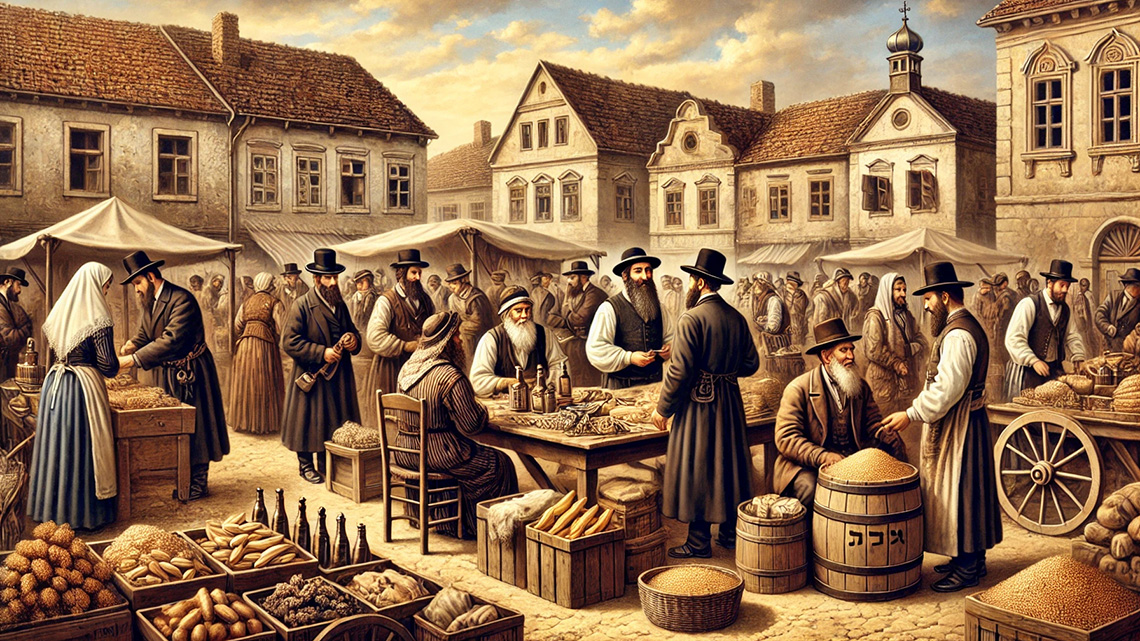
Jewish Settlement in Banat: Process, Obstacles, and Community Development in Novi Bečej and Vranjevo
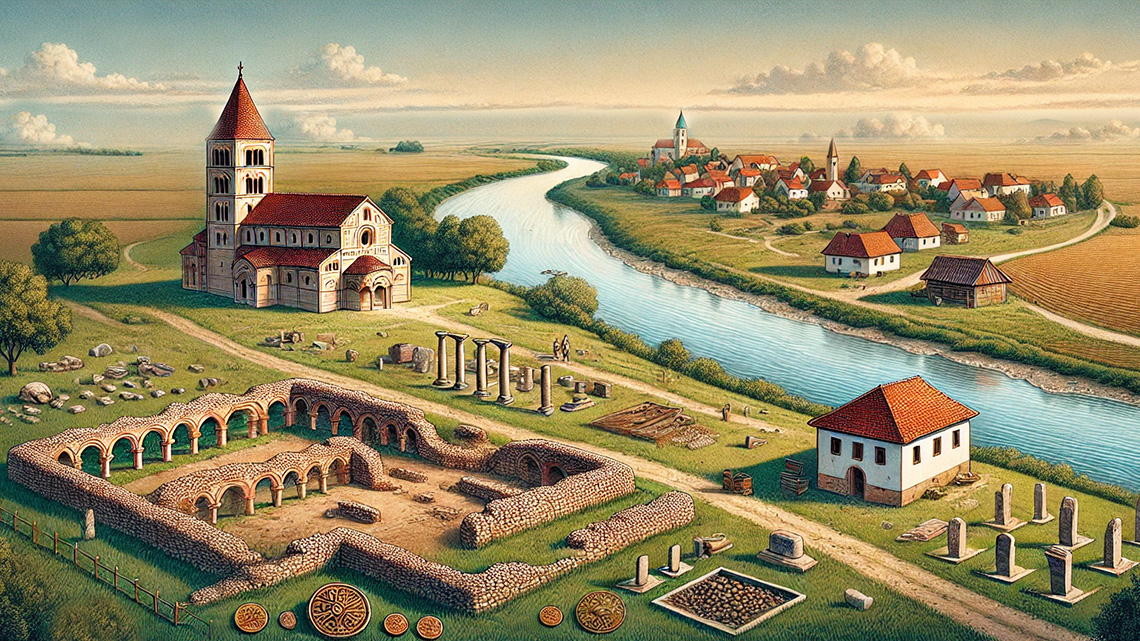
Banat, a vast and fertile plain, but densely dotted with swamps and river branches, became a hub of migration for various peoples in the second half of the 18th century. The indigenous peoples, Serbs and Hungarians, were greatly reduced after the Austro-Turkish wars and the plague epidemics, and the vast areas were empty.
Even in his youth, Bogdan Čiplić was reserved and somewhat detached from social life, although he was a good conversationalist, open as a person, and musically educated. Because of that, he could easily fit into any tavern company. But he lacked one crucial thing—a desire for such a lifestyle. Just like the expression jokingly says: "but"—what ruins a girl’s happiness. That "but" steered Bogdan Čiplić’s life.
I will not delve into a historical account of the development of education in Novi Bečej and Vranjevo, as I have already provided such a description in my book “Novi Bečej and Vranjevo Through History”. Instead, I would like to highlight a turbulent and almost revolutionary period in the school history of Novi Bečej between the 1920s and 1930s.
After the war, in 1948, Bogdan Čiplić wrote a new play titled Nad popom popa ("A Higher Priest than the Priest"). It was performed around ten times at the Serbian National Theatre in Novi Sad.
Trips to the Ivanović and Rohonci estates sparked a desire for more outings. So, throughout the summer of 1937, almost every evening, after the promenade ended and the shops closed, we would go to the garden of Miloš Gavrić’s tavern. The tavern was located on a corner, across from the Workers' Home, in the house of Duško Nikolić.
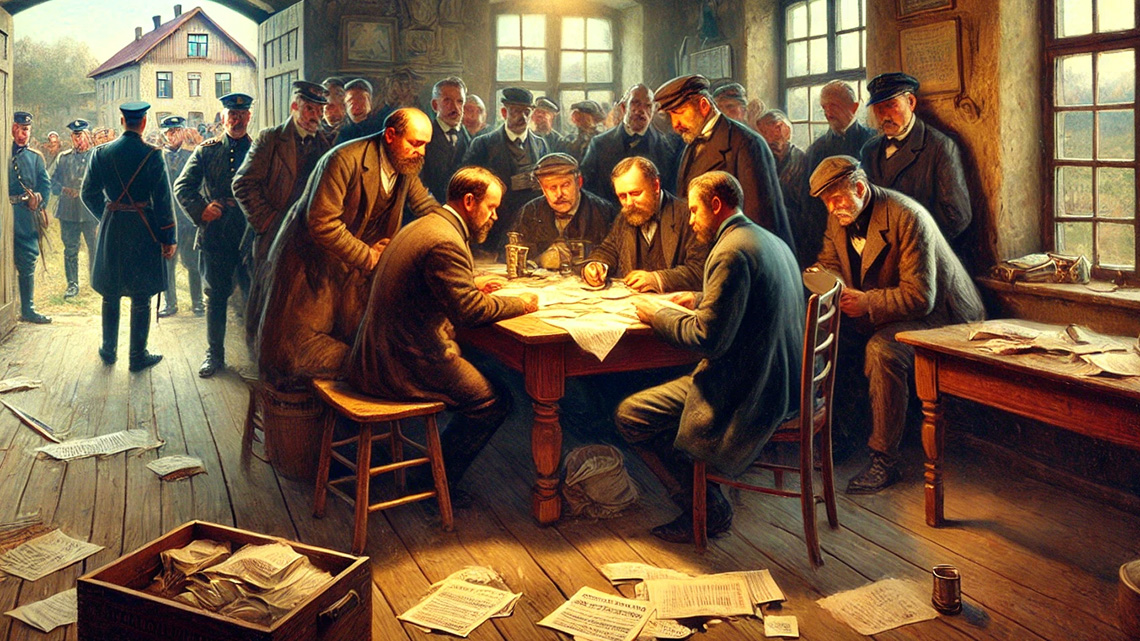
In the 1890s, Socialists were already participating in local elections. In some places, they took power. In Kuman, they achieved their greatest success in the municipal administration elections of 1898, when members of the Social Democratic Party were elected to the Municipal Board: Toša Stančić, the municipal prince, Boža Radišić-Bratko, the secretary, Živa Sekulić, and Laza Tubić, councilors.
In the "Sveska Matice srpske" (Materials and Contributions to Culture and Social History), number 6/1987, Mr. Milana Bikicki, in the article "First Steps in Musical Education of Serbs in Hungary," writes:
In 1995, Novi Bečej thrived despite economic challenges. The town, closely tied to the Tisa River, saw growth in education, culture, tourism, and community initiatives.
The two-story building of the former Tursko-Bečejska Savings Bank is located at 3 Marshal Tito Street, extending from the Schlesinger Palace, at the corner with Gimnazijska Street. According to documentation from the Institute for the Protection of Cultural Monuments in Zrenjanin, written by art historian Vesna Majstorović, the following details about the building are known:
The only available testimony describing the living conditions in the Novi Bečej concentration camp comes from Tihomir Ungar from Novi Sad. At the time, he was a child imprisoned in the camp along with his entire family, who had been brought from Novi Kneževac to the temporary holding facility in Novi Bečej, where they awaited deportation.
19–21 May 2004
Open Competition for Solo Singers
The biennial alternation between the solo singers’ competition and the invitational composers’ competition for solo songs found its rhythm, so the 12th edition of “Horizons on the Tisa” was marked by the fifth open competition for solo singers.
Open Competition for Solo Singers
The tenth edition of the Serbian Solo Vocal Music Festival, dedicated to the founder of Serbian art song Josif Marinković, was held from 23 to 25 May 2002 and centered on the Open Solo Singing Competition.
It is difficult to say how long the rivalry between Zvezda and Banat might have lasted had Banat not been reinforced as early as mid-1936 by former players of Jedinstvo, who were significantly older and physically stronger. Under such circumstances, Zvezda, with its predominantly youthful team, was no longer able to compete on equal terms. The first match played between the two clubs after these changes took place on April 9, 1936, and ended with a 4–2 victory for Banat.
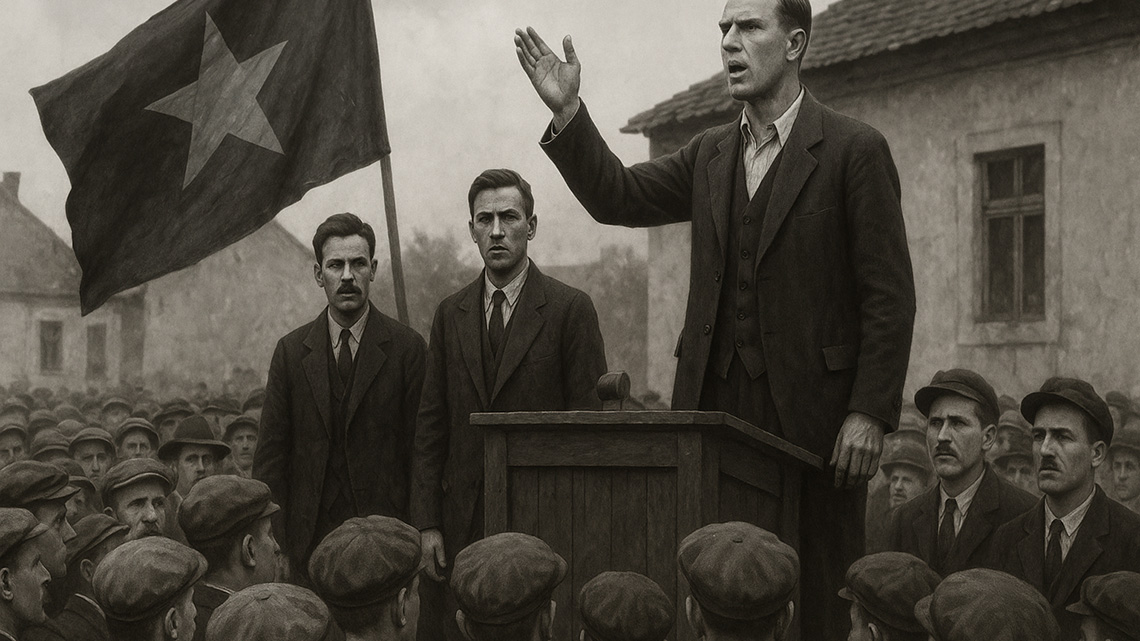
...On March 27, 1941, communists stood with the masses, explaining the essence of the events and leading all protests and revolts against the shameful and treacherous betrayal of the country by the pro-fascist government.
Throughout the day, communists and members of the Communist Youth League (SKOJ) conducted extensive agitation, aiming to initiate democratization and organize a protest meeting. All social organizations, schools, and the entire village were mobilized.
Between 1947 and 1957, research, geodetic surveys, studies, and conceptual designs were carried out.
From 1957 to 1977, main designs were developed and the basic canal network was constructed. The works were carried out under variable conditions, and the difficulties encountered caused delays and slowed down construction.
Sava Baračkov was born in 1929 in Kumane, Banat, where he completed elementary school. He attended construction and architectural secondary schools in Novi Bečej, Petrovgrad, and Novi Sad. In 1955, he graduated from the Department of Scenography at the Academy of Applied Arts in Belgrade, under the mentorship of Professor Milenko Šerban.
It’s pleasant to recall the wonderful and unforgettable dances at the Sokolana, or at the “kolo”—as the dances held in taverns were called—at Uncle Arsen Pecarski's and Uncle Nova Trbić's place in Vranjevo. It was so beautiful that now, I feel as though in those youthful years, we lived for nothing else but that.
The first parliamentary elections for the Constituent Assembly were called only two years after the unification, at a time when the bourgeoisie believed it had achieved a certain level of international and internal consolidation.
Since we do not have direct and reliable data on when and how the Jewish communities in Novi Bečej and Vranjevo were formed, we will use data from municipal registers of these municipalities for the period from 1895 to 1941, as well as from school registers of primary schools for the period from 1888 to 1941.
Between 1945 and 1963, two Water Management Organizations covered the area of the municipality: the Upper Banat Water Organization, with its headquarters in Kikinda, north of Novi Bečej, and the Tisa Water Organization, based in Zrenjanin, south of Novi Bečej. Thus, two water communities existed:
- Upper Banat Water Community (1945-1963)
- Tisa Water Community (1945-1963)
A turning point for Zvezda, and perhaps for football in Novi Bečej in general, came in 1939. Players who had once been children had now matured into young, competent footballers, whose skills far surpassed those of Jedinstvo players. Most of these footballers had come up through the youth clubs Zvezda and Banat, where they systematically honed their football abilities without guidance from older players.
During 1927 and 1928, the Local Party Committee in Kumane developed extensive political activity not only within the village itself but also by assisting Party organizations in neighboring communities, including Zrenjanin, Velike Livade, Novi Bečej, and Melenci. During election campaigns, it helped organize political gatherings and distribute propaganda materials.
- PWMC Danube Novi Sad – Water Management and DTD Hydrosystem in Serbia
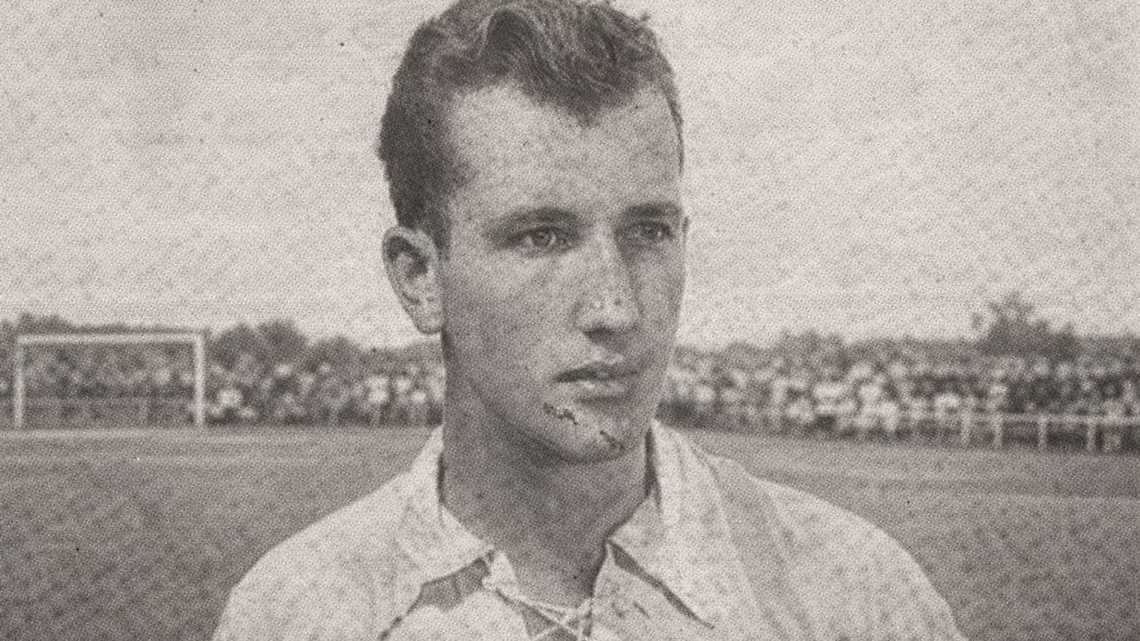
- László Gomba – Reliable Defender of Turul and Zanatlija in Novi Bečej
- Illegal KPJ Organization in Kuman and the Role of Laza Blažić (1921–1923)
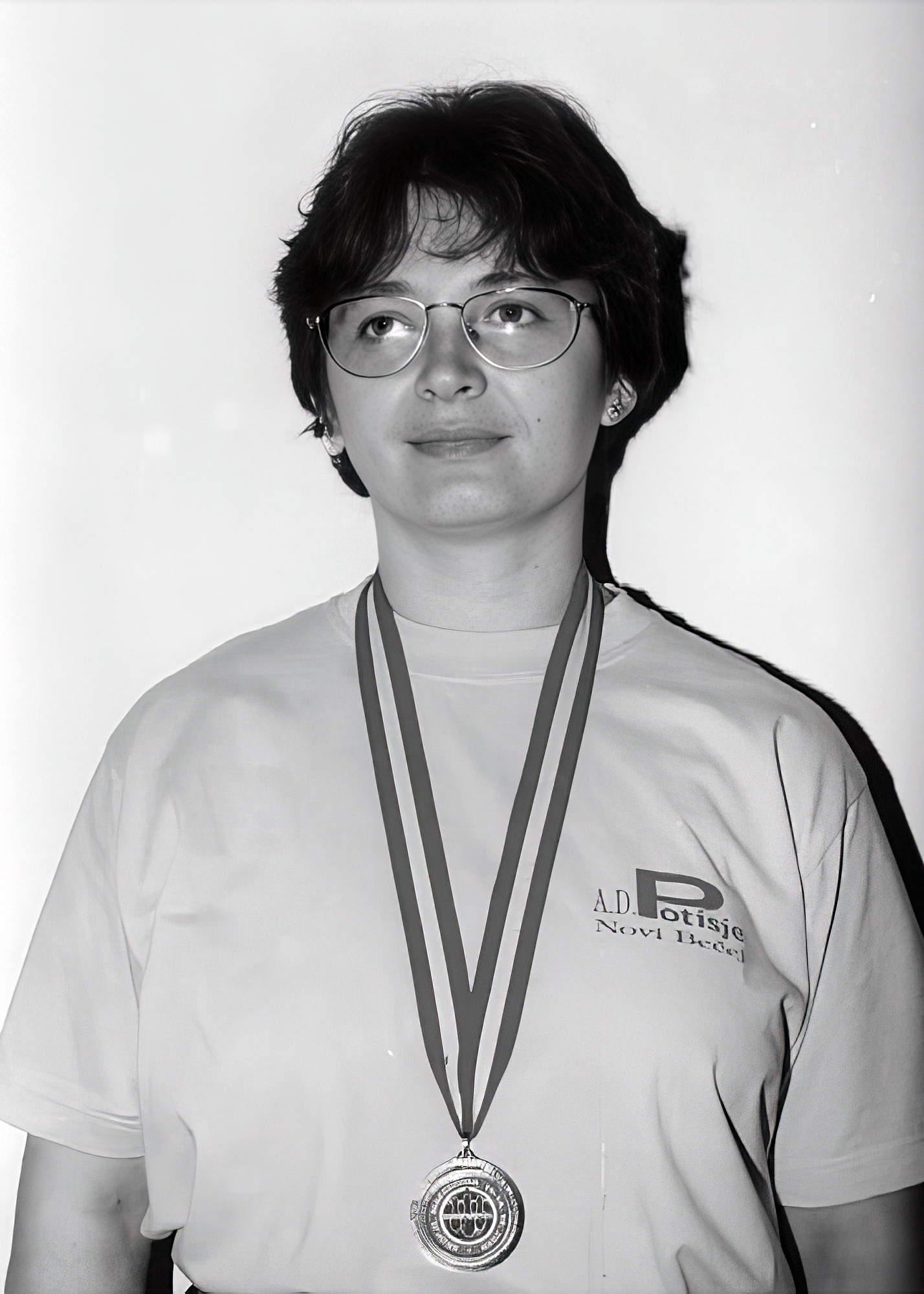
- Mihalj Mesaroš – FK Partizan Legend from Novi Bečej
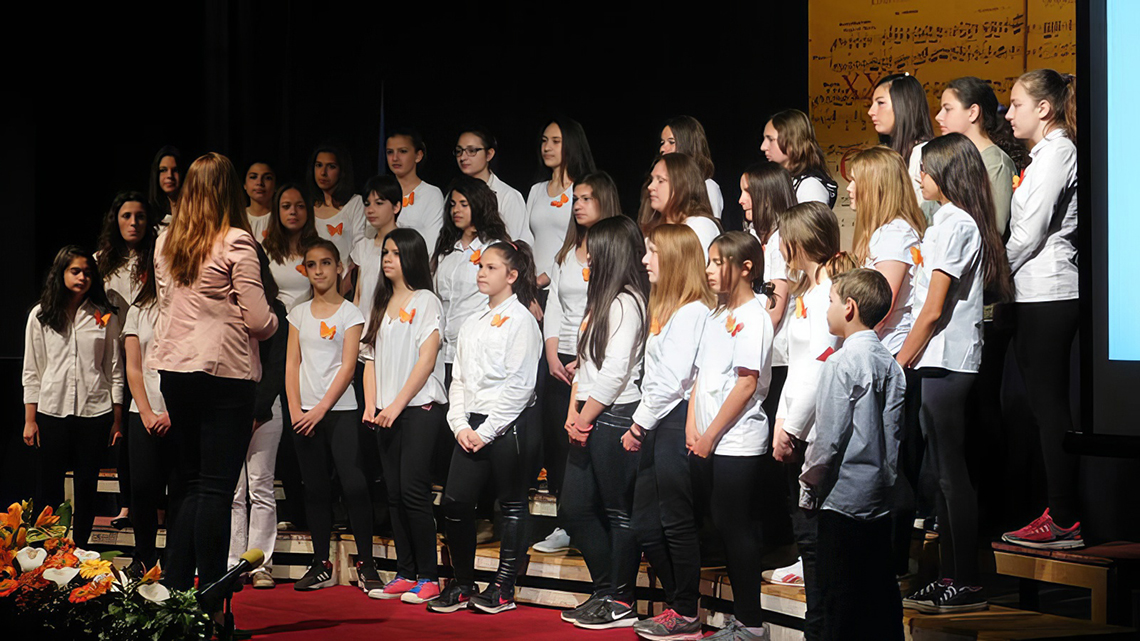
- 3rd “Horizons on the Tisa” – Days of Josif Marinković 1995: The First Open Competition for Solo Singers in Novi Bečej