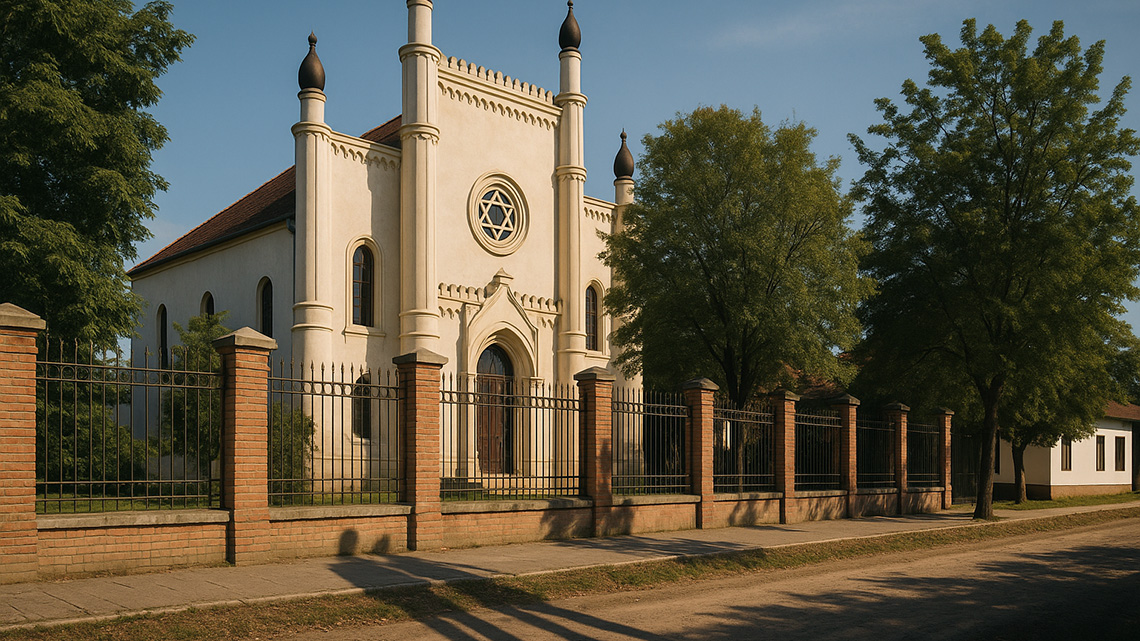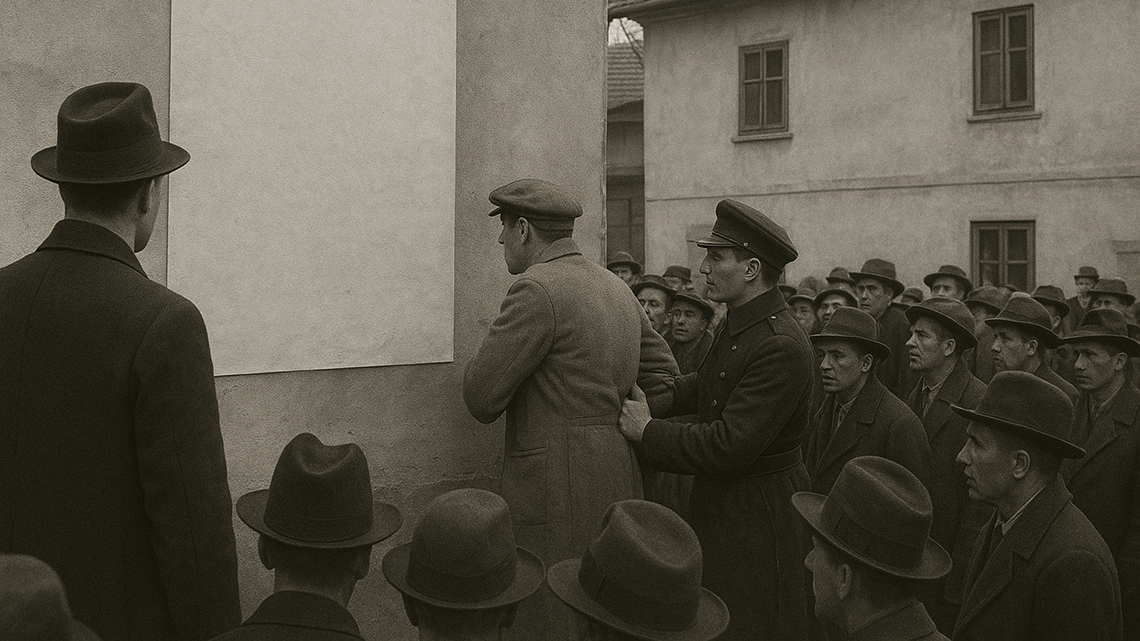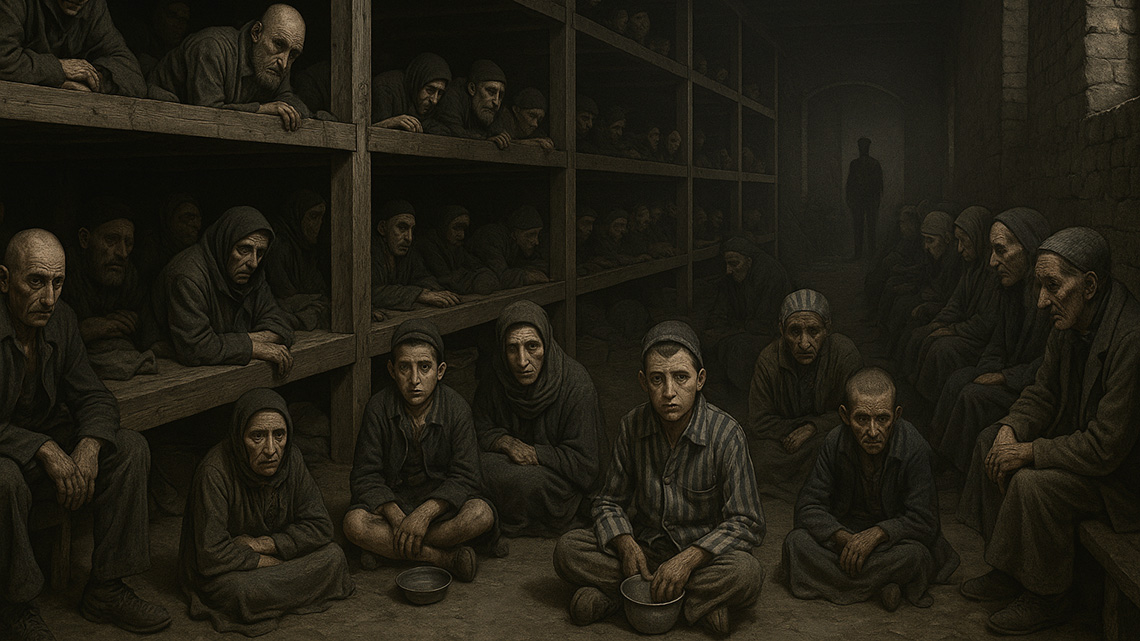

One account states that, during a brief period of partial freedom, some wealthier Jews from Novi Bečej managed to escape by bribing German soldiers—often drivers—and fleeing beyond the borders of Serbia. There is also a theory, based on unconfirmed information, that Verona, the daughter of Danijel Cigler, a timber merchant from Novi Bečej, managed to reach Romania thanks to her relationship with a German officer, and later emigrated to Israel after the war. However, this information was never officially confirmed.
Immerse yourself in the fascinating world of the past and culture of Novi Bečej through our virtual library, where the pages of books turn into windows through time. Here we discover the wealth of local heritage through complete works that bring stories of brave people, important events and unique traditions.
Share this page on social media
Flood protection, or the management of external waters, is achieved by improving the defense conditions on the watercourses that cross the state border, specifically those coming from Romania. These watercourses include the Zlatica, Begej, Tamiš, and others, which have embankments built along them and, before the construction of the Main Canals, faced serious problems with flood defense.
Winters, in the times I remember, were harsh and long, with plenty of snow. These days, such winters occur roughly every 8-10 years, but back then, they were almost a regular occurrence. Frosts would start in November, and snow would arrive by mid-December, lasting until the end of February.
May 25–27, 1995
Open Competition for Solo Singers
After the first two “Horizons on the Tisa,” the organizers began preparations for the third festival with even greater enthusiasm and foresight.
May 31 – June 3, 2000
Open Solo Singing Competition
What could not take place in 1999 due to the NATO bombing of the Federal Republic of Yugoslavia — the Open Solo Singing Competition — was successfully held one year later, at the 8th “Horizons on the Tisa,” from May 31 to June 3, 2000.
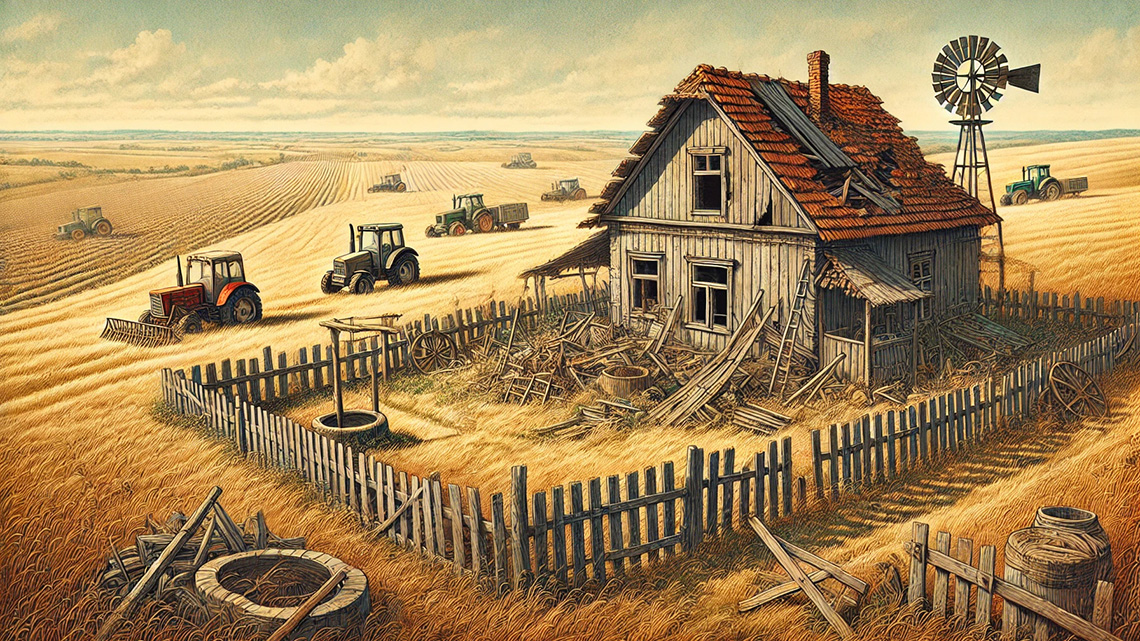
Altered economic conditions and the development of productive forces in agriculture are the main reasons for the disappearance of farmhouses. With the reduction of land ownership limits after World War II, first to 20, and then to 10 hectares, farmhouses lose their previous significance in production.
Until the outbreak of the Second World War, football in Novi Bečej was burdened by severe financial difficulties, even when it came to meeting the most basic needs. Above all, Novi Bečej lacked an industrial base from which any form of material support for football clubs could have been expected.
May 23–25, 1996
Invitational Composers’ Competition
After the highly successful first competition for solo singers, the devoted cultural workers from the town on the Tisa organized the 4th “Horizons on the Tisa”, held from May 23 to 25, 1996, as the first invitational composers’ competition for solo song.
László Gomba appeared on the football scene of Novi Bečej at a very young age. Together with Ferik Kiš and József Čanji, he was among the group of young enthusiasts who initiated the founding of a new club in Novi Bečej in 1940, originally named Napredak. Shortly after its establishment, the club changed its name to S.K. Zanatlija, where Laci quickly secured a place in the first team and proved his footballing quality.
In geographical terms, Banat is a region in the southern part of the vast Pannonian Plain, bordered by the rivers Mureș, Tisza, Danube, and the Transylvanian Alps. A large portion of Banat lies in Romania, a small part in Hungary, while the Yugoslavian section is located along the lower courses of the mentioned rivers.
This image shows the appearance of Novi Bečej in the late 1910s, with a focus on its Main Street — at the time, the central axis of everyday life, trade, education, and religion. On the left side, we see the prominent building of the state school, one of the cornerstones of the town’s modernization. This institution served not only as a place of learning but also as a space for shaping the collective identity of a diverse population.
Drainage enables the reception of all excess water from the catchment area—either by gravity (free fall) or artificially using pumps—and evacuates it further into the main receivers: the Tisa and the Danube rivers.
The development of fisheries along the Main Canal Network (OKM) is observed through:
- the use of canal water for recreational and commercial fishing, and
- the supply of fishponds with water along the OKM.
Pavle Janković - Šole, born on January 19, 1939, in Novi Bečej, was one of the most respected Serbian poets, whose poetry, although primarily intended for children, carried deep messages for adults as well. His name in literature is associated with an authentic and gentle approach to childhood, making him an expert in understanding children's thoughts and dreams.
19–21 May 2004
Open Competition for Solo Singers
The biennial alternation between the solo singers’ competition and the invitational composers’ competition for solo songs found its rhythm, so the 12th edition of “Horizons on the Tisa” was marked by the fifth open competition for solo singers.
It is difficult to say how long the rivalry between Zvezda and Banat might have lasted had Banat not been reinforced as early as mid-1936 by former players of Jedinstvo, who were significantly older and physically stronger. Under such circumstances, Zvezda, with its predominantly youthful team, was no longer able to compete on equal terms. The first match played between the two clubs after these changes took place on April 9, 1936, and ended with a 4–2 victory for Banat.
In the northern Banat region, which includes the municipality of Novi Bečej, an organizational unit has existed since 1973 under the Water Management Organization “Gornji Banat” in Kikinda, addressing issues related to the Core Canal Network (CCN).
The Košut family lived in a modest house covered with reeds, with small, misty windows through which young Tivadar observed and created his own world. Sitting by the oil lamp, he listened to the stories of old women about the creation of the world, Adam and Eve, the flood, Christ and his miracles, dreaming how happy he would be if he could paint it all.
Between 1945 and 1963, two Water Management Organizations covered the area of the municipality: the Upper Banat Water Organization, with its headquarters in Kikinda, north of Novi Bečej, and the Tisa Water Organization, based in Zrenjanin, south of Novi Bečej. Thus, two water communities existed:
- Upper Banat Water Community (1945-1963)
- Tisa Water Community (1945-1963)
After the war, in 1948, Bogdan Čiplić wrote a new play titled Nad popom popa ("A Higher Priest than the Priest"). It was performed around ten times at the Serbian National Theatre in Novi Sad.
The Tisa is a major international river and the largest tributary of the Danube, flowing through four countries. Its total length is 966 km, with 164 km passing through Serbia. The river originates in the Carpathians at an altitude of 1,800 meters, but after 266 km of its upper course, near the mouth of the Samoš, it descends to just above 200 meters, gradually sloping to its confluence with the Danube.
Our prominent writer, Isidora Sekulić, says about the homeland:
“Where is the homeland for people? It’s where others around them understand, completely and deeply, what they say, from the last external and internal tremor of their language, they understand what delights them and what hurts them.
Dragiša Bunjevački, a painter from Novi Bečej and the founder of the group “Selo,” was born in 1925 in Pančevo.
He was an artist who lived to paint, but never lived from painting nor painted merely to survive.
The name of composer Josif Marinković is spoken with deep reverence by the people of Novi Bečej, especially by the residents of the Vranjevo district. And rightly so — he is the most distinguished figure ever born in this town.
Ustava Novi Bečej (Magistral Canal km 146.66)
The Ustava Novi Bečej was built as a structure for releasing water into the primary canal network to supply Banat with water, as well as for discharging excess water from the Banat section of the canal system into the Tisa River.
I begin to feel my homeland even on the road to Novi Bečej, right after leaving Kumane. On that road from Kumane to Novi Bečej—whether by train or bus—I start recalling everything that once existed there or what ties me to that path, from the time when my love for my homeland was most deeply growing.
Unlike today's farmers, who work the land with tractors and usually keep at least some minimal spare parts like spark plugs, a fan belt, and similar items, in the time my memories refer to, farming was done with horse-drawn plows, and all transportation relied on wagons.
Perhaps the reason must be invented
Perhaps the relation between the idea and its conventional realization in traditional painting techniques, as well as the relation between such an image and its photocopy (which contains additions from photographs and objects), can be measured—perhaps even considered identical.
- The Forgotten Suffering of Novi Bečej’s Jews: Deportation, Camps, and Resistance in 1941
- 6th “Horizons on the Tisa” – Days of Josif Marinković 1998: Composers’ Competition Dedicated to Hilandar
- About Vranjevo, this too...
- Tragedy on the Tisa River in 1931: A Story of Survival and Courage
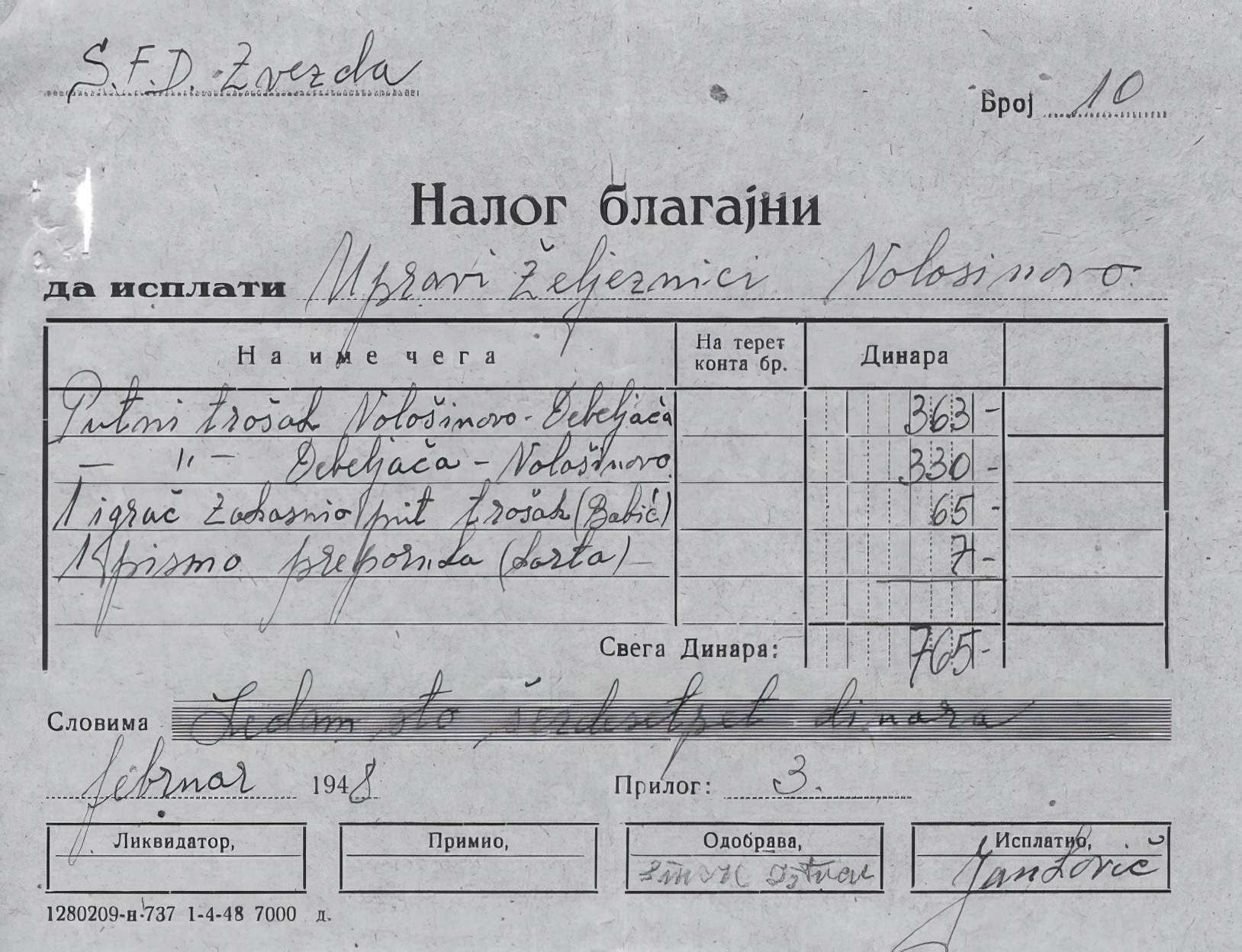
- From Zvezda to Jedinstvo – The Early History of Bowling in Novi Bečej (1948–1953)