



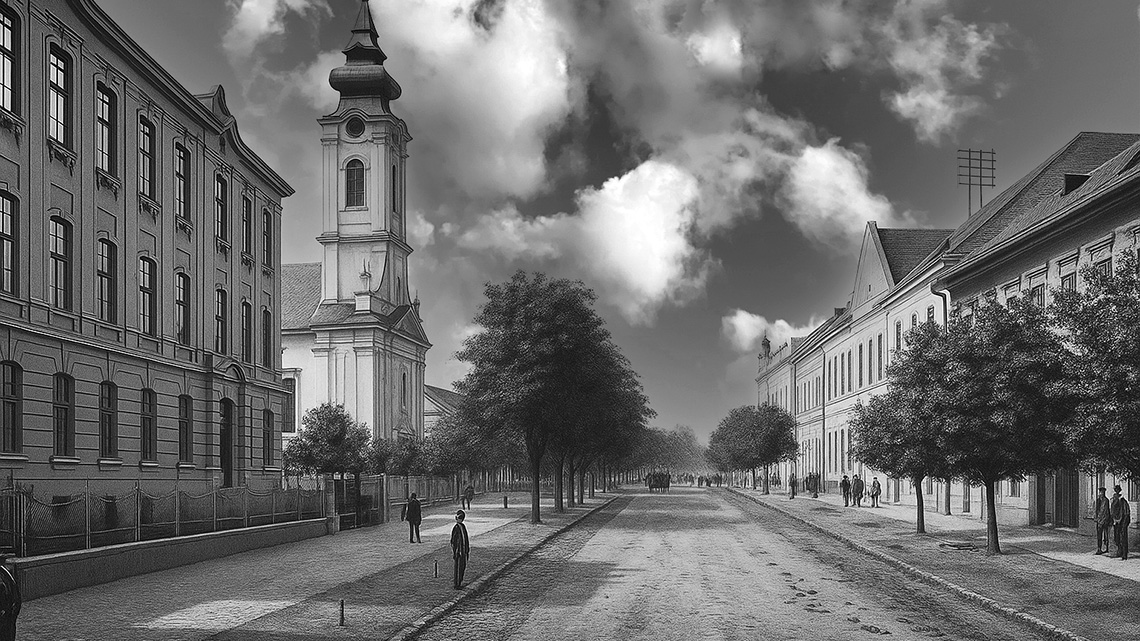
This image shows the appearance of Novi Bečej in the late 1910s, with a focus on its Main Street — at the time, the central axis of everyday life, trade, education, and religion. On the left side, we see the prominent building of the state school, one of the cornerstones of the town’s modernization. This institution served not only as a place of learning but also as a space for shaping the collective identity of a diverse population.
Immerse yourself in the fascinating world of the past and culture of Novi Bečej through our virtual library, where the pages of books turn into windows through time. Here we discover the wealth of local heritage through complete works that bring stories of brave people, important events and unique traditions.
Share this page on social media
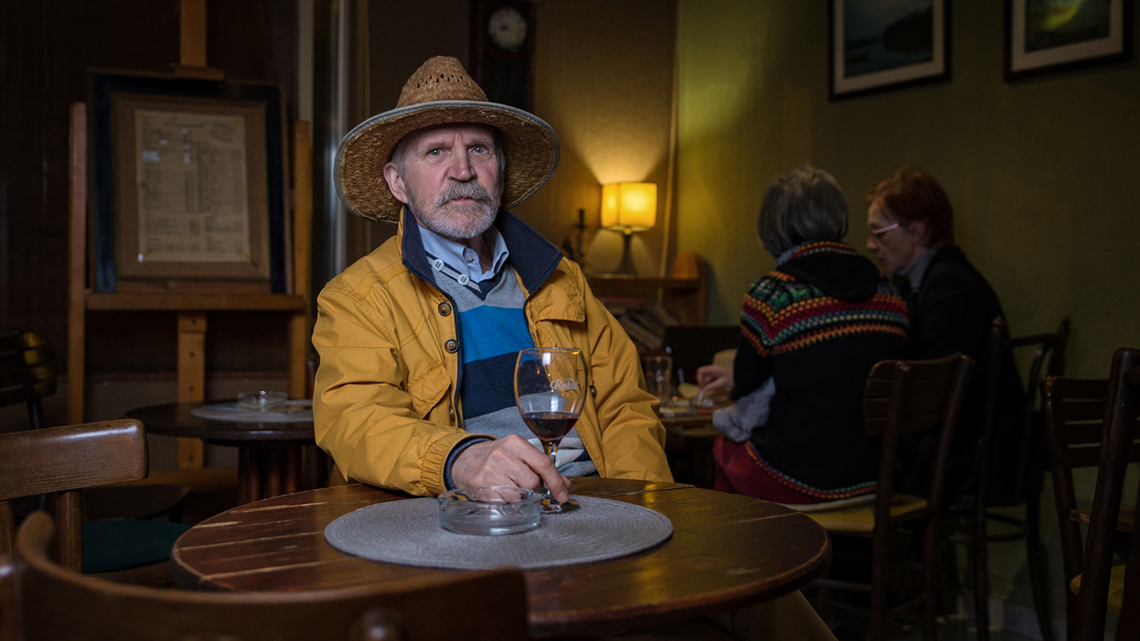
In the former Novi Bečej maternity hospital, located near the Andre family home, Karolj Andre was born on July 21, 1951 — a future collector and philatelist. He was educated in Novi Bečej, Subotica, and Novi Sad, where he later worked as a laboratory technician.
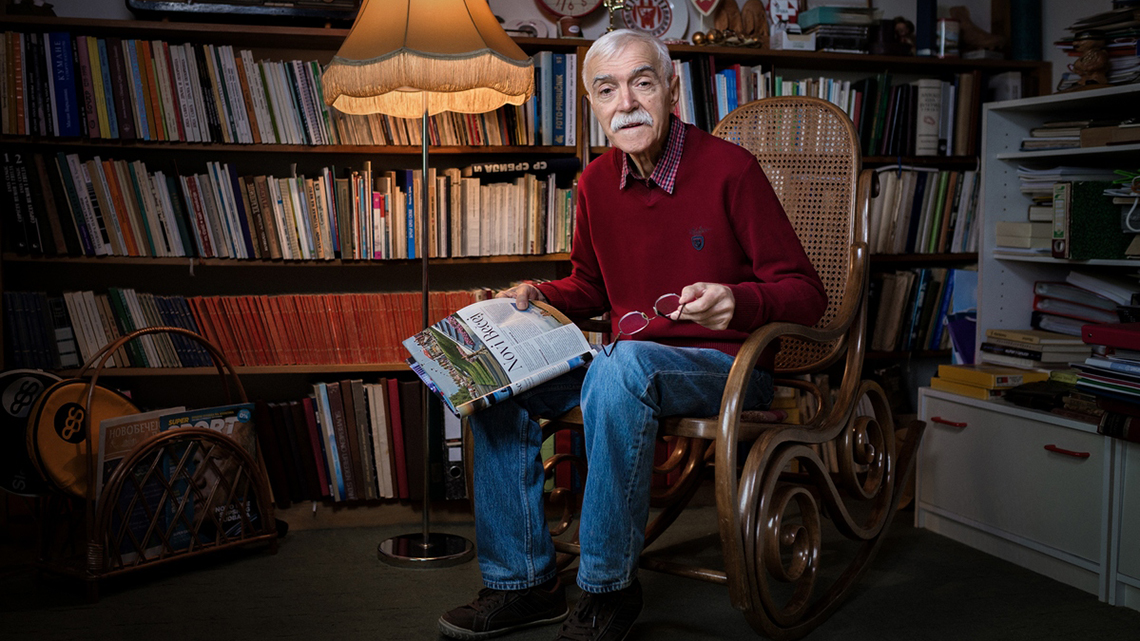
Stevan Davidović was born on October 6, 1949, in Novi Bečej. He completed his primary and secondary education in his hometown, where he also graduated from the local Grammar School. He went on to earn a degree from the Higher Pedagogical School in Zrenjanin, majoring in Serbo-Croatian language and the history of Yugoslav literatures.

Vasa Popović
Chronicle of Water Management in Vojvodina
The total length of navigable canals currently amounts to:
- in Banat: 309 km
- in Bačka: 355 km

Vasa Popović
Chronicle of Water Management in Vojvodina
Flood protection, or the management of external waters, is achieved by improving the defense conditions on the watercourses that cross the state border, specifically those coming from Romania. These watercourses include the Zlatica, Begej, Tamiš, and others, which have embankments built along them and, before the construction of the Main Canals, faced serious problems with flood defense.

Lazar Mečkić
Ninety Years of Football in Novi Bečej
It is difficult to say how long the rivalry between Zvezda and Banat might have lasted had Banat not been reinforced as early as mid-1936 by former players of Jedinstvo, who were significantly older and physically stronger. Under such circumstances, Zvezda, with its predominantly youthful team, was no longer able to compete on equal terms. The first match played between the two clubs after these changes took place on April 9, 1936, and ended with a 4–2 victory for Banat.
Stevan Davidović
On the Roof of Europe
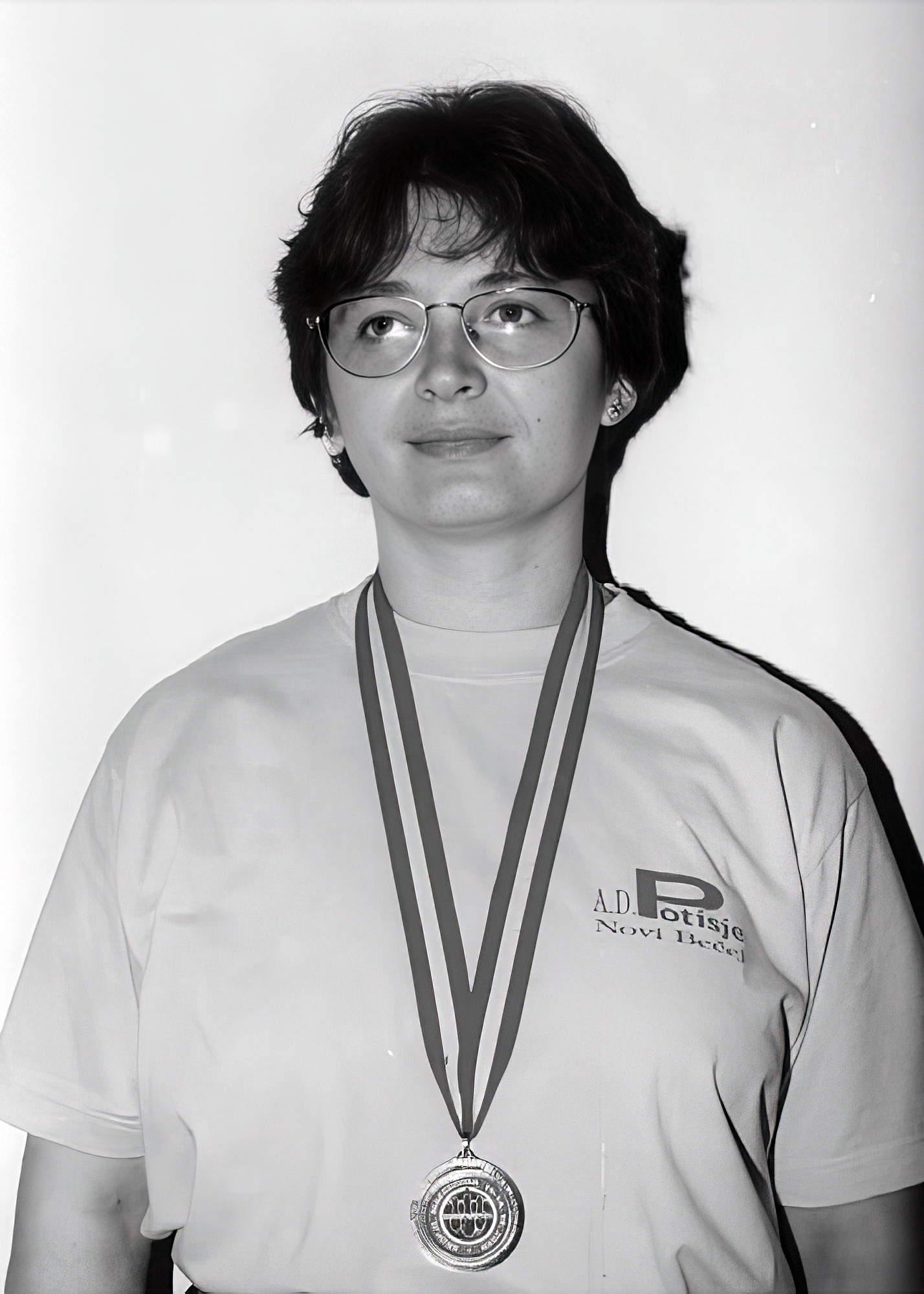
After the great success in the semi-final, the excitement reached its peak. There was little time for celebration, as everyone eagerly awaited October 14 – the day of the European Cup final. I had the impression that my roommate, Laslo Makra, had barely closed his eyes throughout the entire night.

Lazar Mečkić
The Flame of Homeland
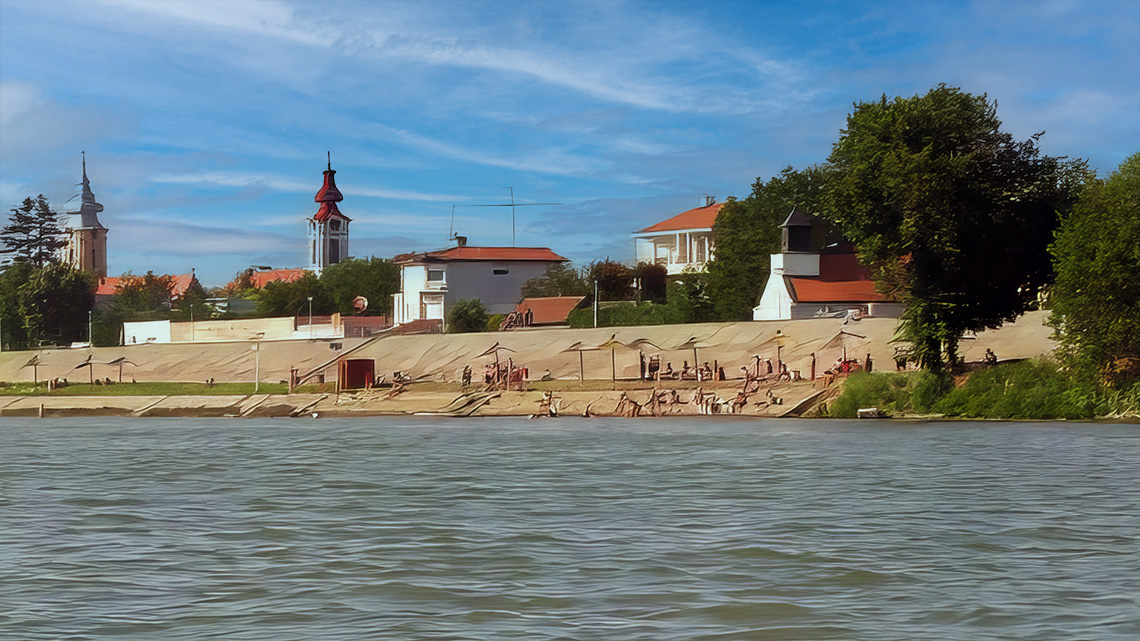
The social life in Novi Bečej and Vranjevo, fifty or more years ago, mainly took place in the Sokolana and taverns. Conferences, meetings, and gatherings of political or scientific nature were held there. In short, all entertainment and social activities happened indoors—either in the Sokolana or in taverns. The only exceptions were summer swimming in the Tisa River, football training, and matches in the Gradište grove.

Vasa Popović
Chronicle of Water Management in Vojvodina
Irrigation
Irrigation is one of the most important functions of the primary canal network, as it enables the distribution of water from the Tisa River into the central parts of Banat. According to project plans, the primary canal network should supply water for the irrigation of approximately 300,000 hectares in Banat. The intake of Tisa water in this region is carried out by gravity.
Lazar Mečkić
The Flame of Homeland
Our prominent writer, Isidora Sekulić, says about the homeland:
“Where is the homeland for people? It’s where others around them understand, completely and deeply, what they say, from the last external and internal tremor of their language, they understand what delights them and what hurts them.

Lazar Mečkić
The Flame of Homeland
Even in his youth, Bogdan Čiplić was reserved and somewhat detached from social life, although he was a good conversationalist, open as a person, and musically educated. Because of that, he could easily fit into any tavern company. But he lacked one crucial thing—a desire for such a lifestyle. Just like the expression jokingly says: "but"—what ruins a girl’s happiness. That "but" steered Bogdan Čiplić’s life.
Branislav Kiselički
The Emergence, Development, and Destruction of the Jewish Community in Novi Bečej
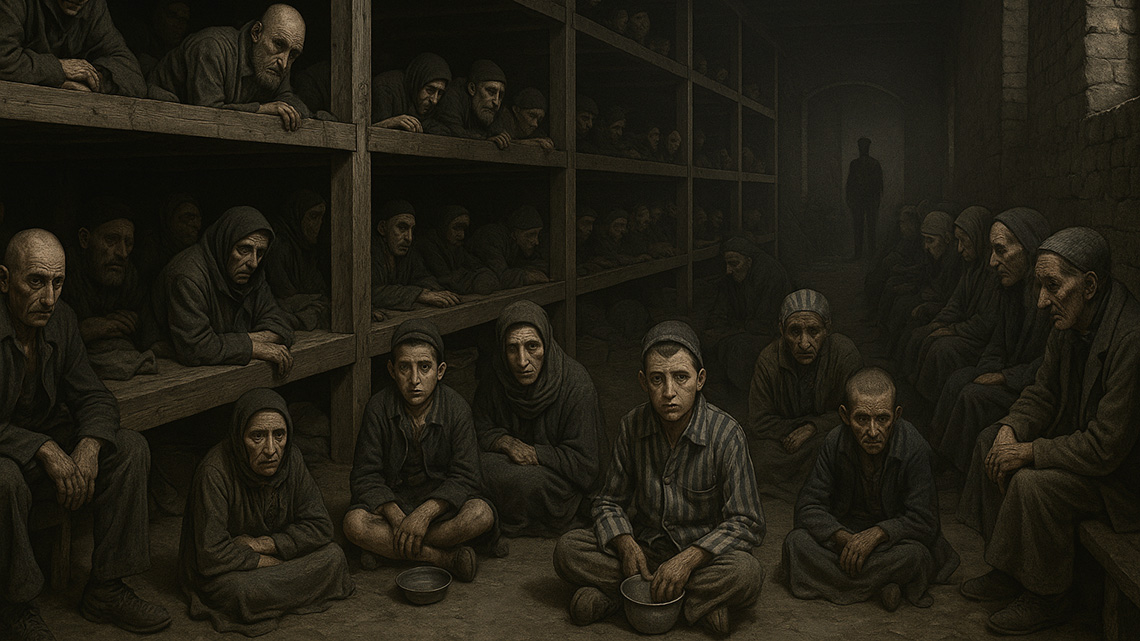
The only available testimony describing the living conditions in the Novi Bečej concentration camp comes from Tihomir Ungar from Novi Sad. At the time, he was a child imprisoned in the camp along with his entire family, who had been brought from Novi Kneževac to the temporary holding facility in Novi Bečej, where they awaited deportation.

Vasa Popović
Chronicle of Water Management in Vojvodina
In the early 1960s, canal excavation works began in this area, followed by the construction of significant water management structures. The completion of the dam on the Tisa River in 1977 marked the final phase of these activities. All completed infrastructure was taken over by the Water Management Organization "Gornji Banat," and as the systems gradually became operational, dedicated operational sections were established.

dr Laslo Pataki
Personalities and Events: The Past of Novi Bečej
Tibor Nađ was born in 1952 in Novi Bečej. He graduated from the School of Applied Arts in Novi Sad in 1973. His work spans painting, industrial design, and unique ceramics.
Branislav Kiselički
The Emergence, Development, and Destruction of the Jewish Community in Novi Bečej
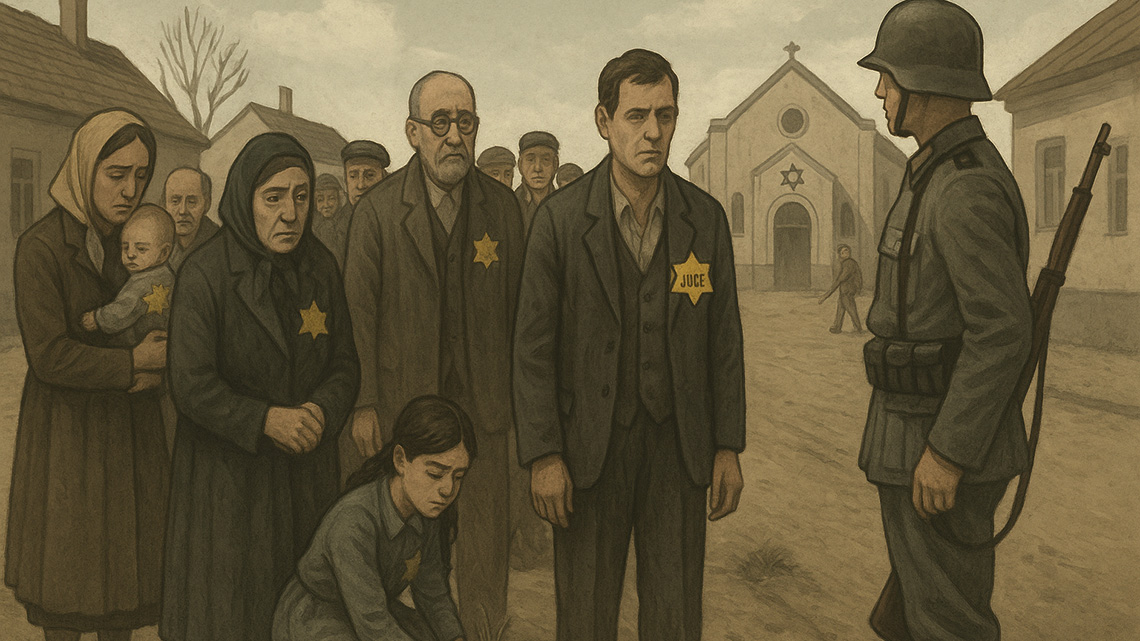
The only prominent Jew from Novi Bečej who was not arrested at the time was Dr. Dezider Kanic, a lawyer. He made direct contact with the military commander of the town and, proving that he had served as a German "Uhlan" officer, managed to obtain permission to move to Hungary (see the testimony of Dr. Viktor Jordanić).

Stevan Davidović
Horizons on the Tisa
May 29–30, 1997
In the last days of May 1997, the small town on the left bank of the Tisa River once again came alive with the spirit of the Days of Josif Marinković.
Zagorka Končar i Ljubomir Tabački
Always in the Fight
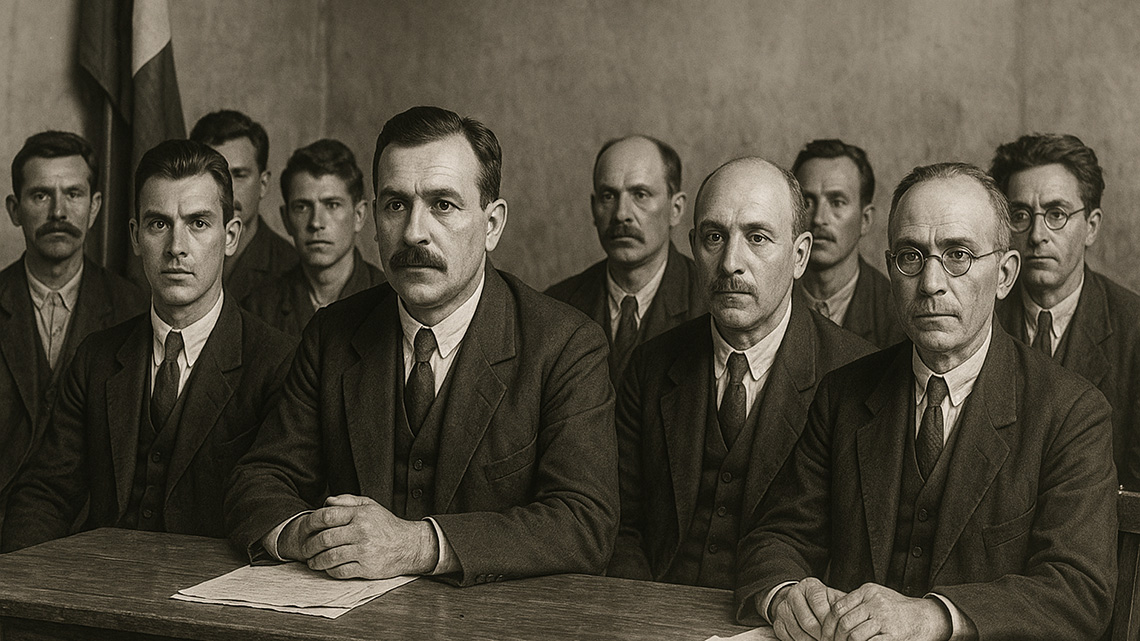
According to Radnički list, Ljubomir Čolić, president of the Local Party Organization in Kumane, was elected as a delegate to the Second Congress of the Party, held from June 20 to 25, 1920, in Vukovar. In June, a local party conference was held at which seven delegates were elected for the Second Party and Trade Union Congress.
Lazar Mečkić
Ninety Years of Football in Novi Bečej
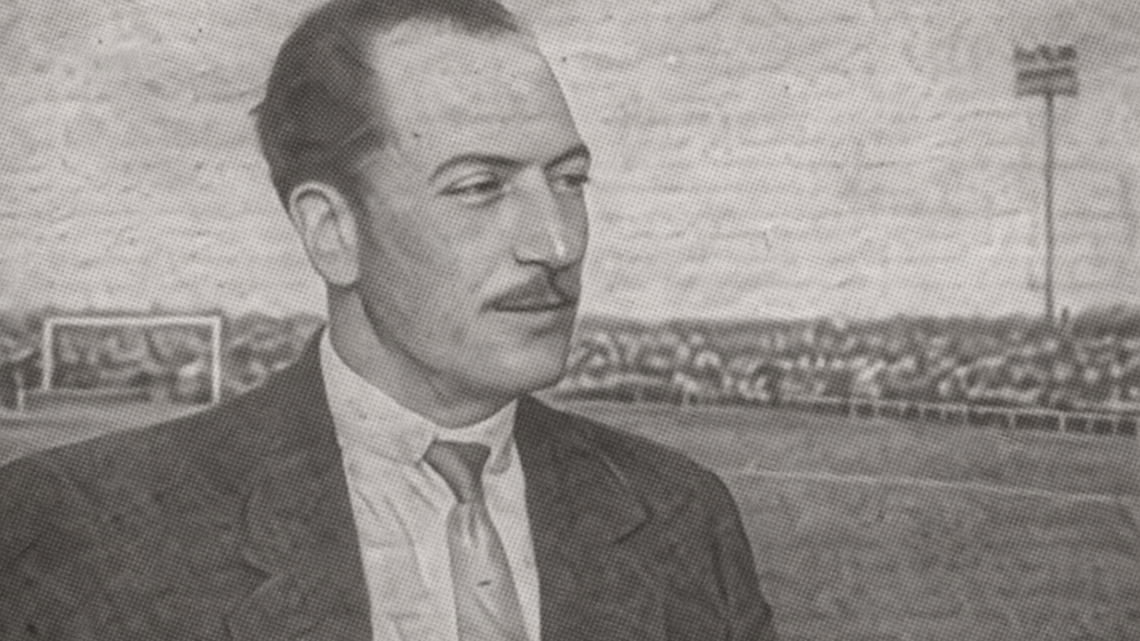
László Gomba appeared on the football scene of Novi Bečej at a very young age. Together with Ferik Kiš and József Čanji, he was among the group of young enthusiasts who initiated the founding of a new club in Novi Bečej in 1940, originally named Napredak. Shortly after its establishment, the club changed its name to S.K. Zanatlija, where Laci quickly secured a place in the first team and proved his footballing quality.

Stevan Davidović
Horizons on the Tisa
The name of composer Josif Marinković is spoken with deep reverence by the people of Novi Bečej, especially by the residents of the Vranjevo district. And rightly so — he is the most distinguished figure ever born in this town.

Milorad “Mića” Josimović (born in 1949) is a versatile artist and designer, a man whose creativity and craftsmanship have left a lasting mark on the artistic life of Novi Bečej and beyond.

"The Formation, Development, and Destruction of the Jewish Community in Novi Bečej" is the title of an extensive work created through the years of effort by Branislav-Bata Kiselički. As he explains in the introductory notes, the author approached this monumental task due to his sense of duty and obligation to his Jewish friends from his youth, and later to their fellow countrymen who lived in Novi Bečej in the near and distant past.

Zagorka Končar i Ljubomir Tabački
Always in the Fight
On August 2, 1921, the Assembly adopted the Law on the Protection of Public Security and Order in the State, tightening measures against communists. This law prescribed harsh punishments for any communist activity, including the death penalty.
Lazar Mečkić
The Flame of Homeland
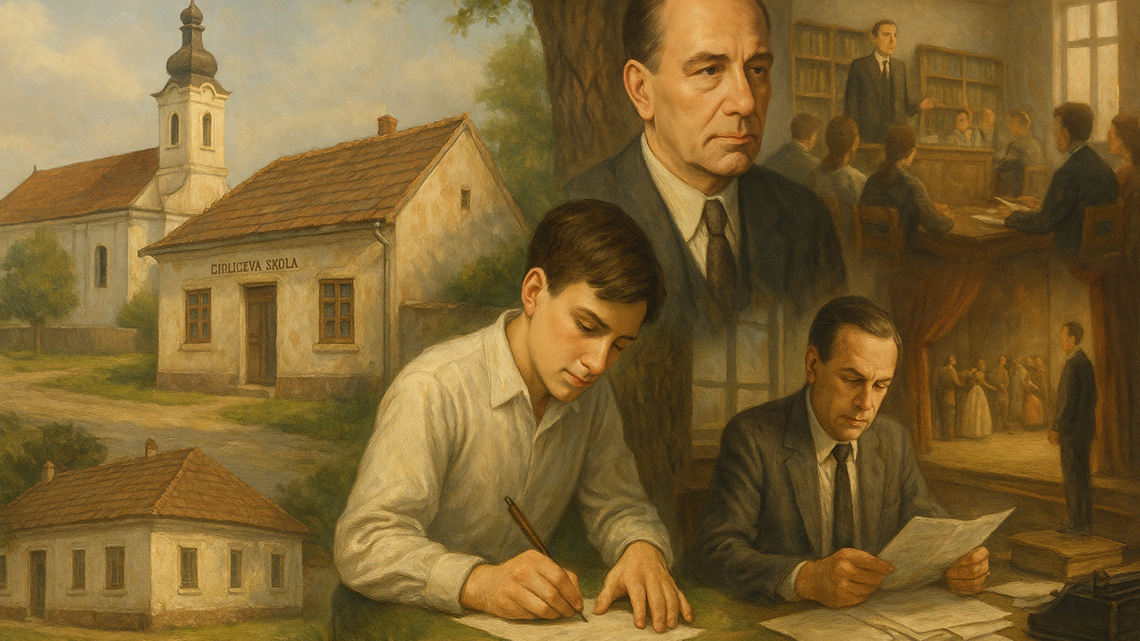
I do not consider myself an expert qualified to critically evaluate the literary work of Bogdan Čiplić. However, out of respect for him and from the memories of our friendship during the last ten years of his life, I will attempt to present—in the broadest terms—what I observed of his literary output.

Vasa Popović
Chronicle of Water Management in Vojvodina
As previously highlighted, the demand for a unified approach to solving water management issues in the Danube-Tisa-Danube Hydrosystem led, on January 1, 1963, to the incorporation of water associations from the Banat and Bačka regions into the Directorate for the Construction of the Danube-Tisa-Danube Hydrosystem in Novi Sad.
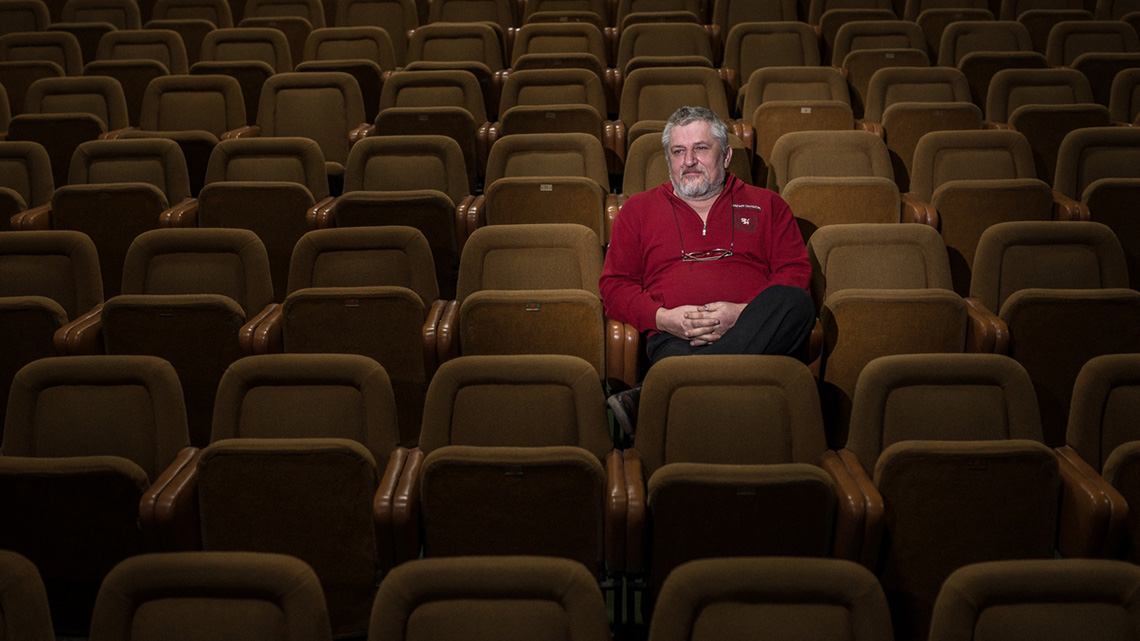
The stage — the “boards that mean the world” — has been a lifelong inspiration for Saša Milenković, an actor, director, and passionate theater devotee who has dedicated his life to the art of performance.
Born in 1963, Saša stepped onto the theatrical scene in 1978 and has remained actively involved ever since, contributing immensely to the cultural and artistic life of Novi Bečej and beyond.
Stevan A. Mirković
Personalities and Events: The Past of Novi Bečej
How This Booklet Came to Be
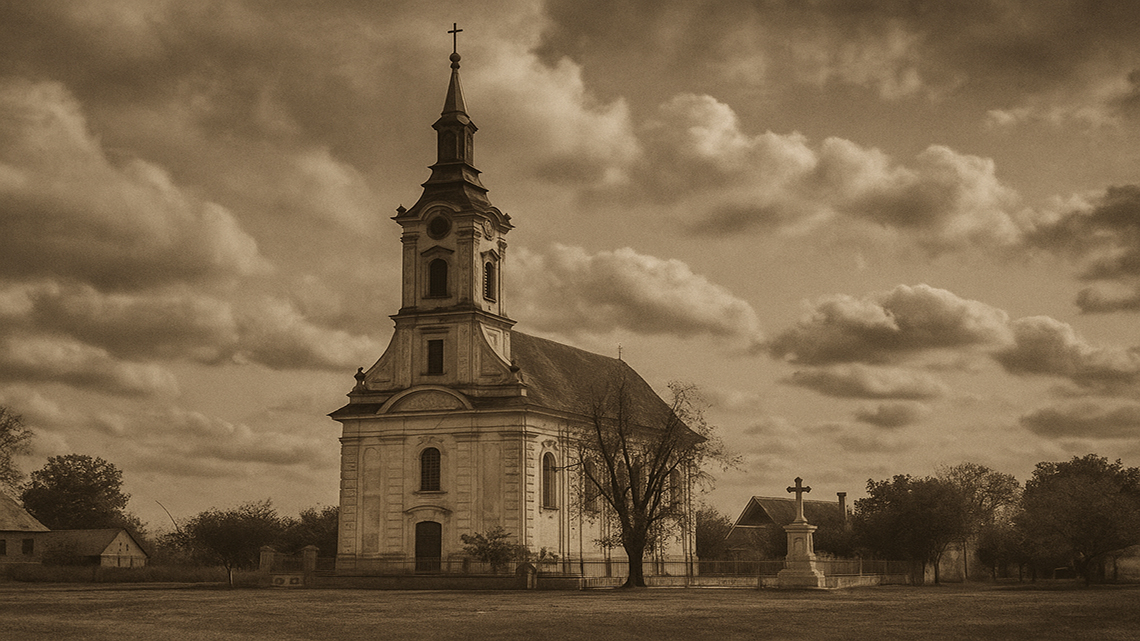
When my article titled “Kumane” appeared in the Yugoslav Daily on August 2, 1931 (issue no. 202), my parishioners received it with great enthusiasm. It was read aloud in gatherings and on street corners before groups of listeners. Soon, many expressed the wish that it be printed as a small booklet and distributed among the people of my parish.

Stevan Davidović
Horizons on the Tisa
May 24–25, 1998
Invitational Composers’ Competition
After the first invitational composers’ competition on the theme Bread, Grain, Harvest, which resulted in 14 new solo songs, the organizers of this year’s Days of Josif Marinković decided that the new theme would be Hilandar, as 1998 marked the 800th anniversary of this Serbian sanctuary.
Zagorka Končar i Ljubomir Tabački
Always in the Fight
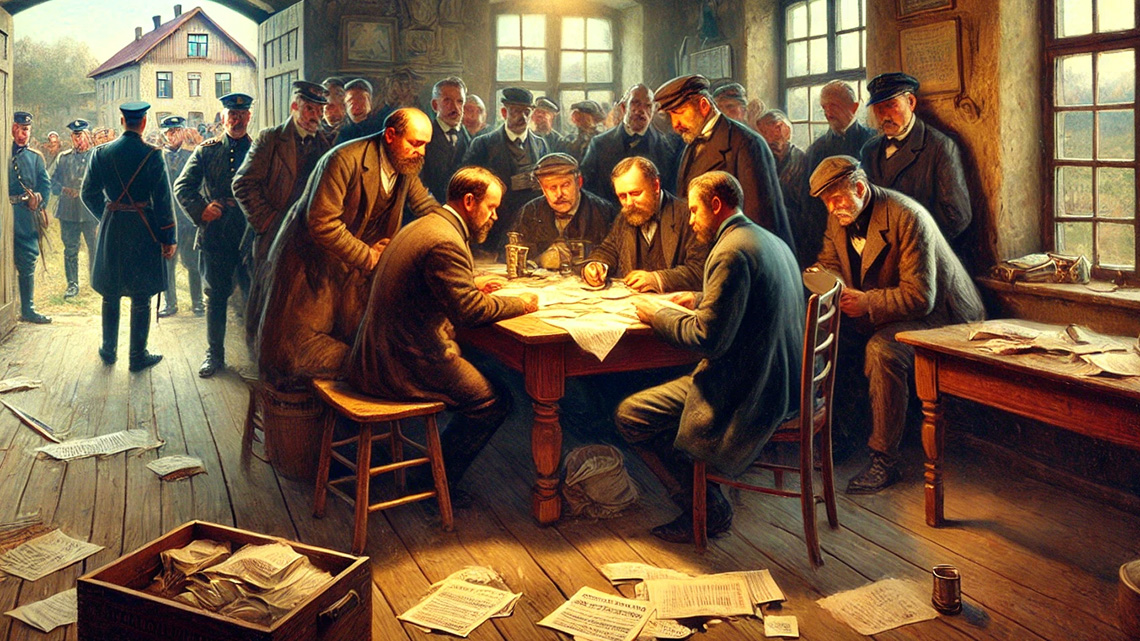
In the 1890s, Socialists were already participating in local elections. In some places, they took power. In Kuman, they achieved their greatest success in the municipal administration elections of 1898, when members of the Social Democratic Party were elected to the Municipal Board: Toša Stančić, the municipal prince, Boža Radišić-Bratko, the secretary, Živa Sekulić, and Laza Tubić, councilors.

Responsibility, ambition, and dedication marked the life and career of Dr. Milorad Drobac, Doctor of Economic Sciences.
He was born on February 11, 1948, in Bočar, where he completed elementary school as the top student of his class.
Lazar Mečkić
Ninety Years of Football in Novi Bečej
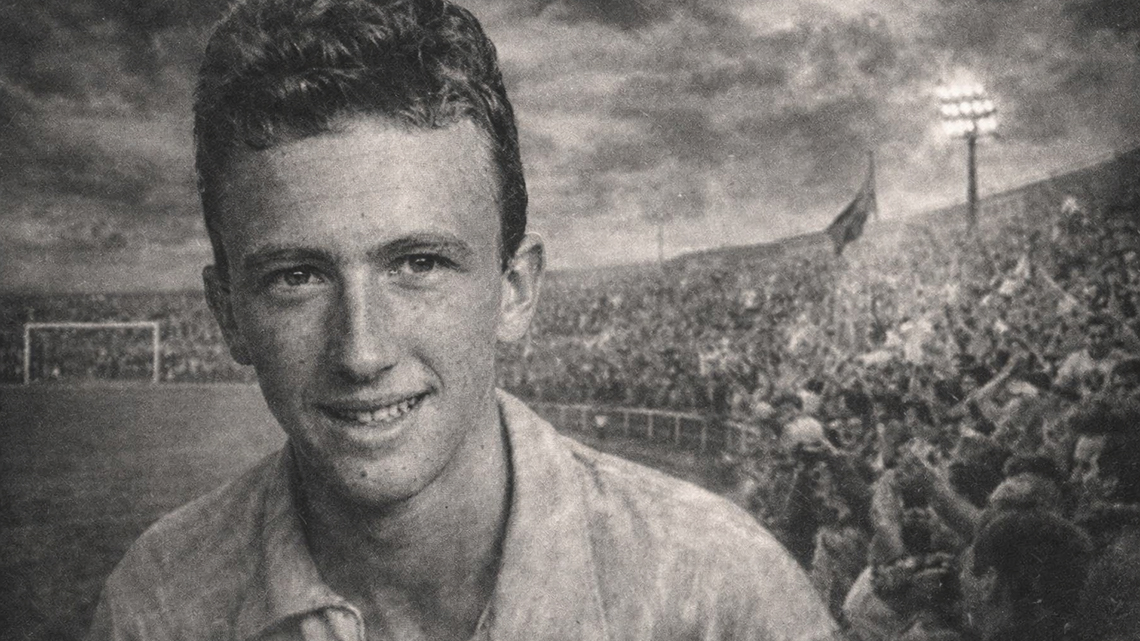
Béla Farkaš belonged to the generation of footballers who matured during the difficult years of the Second World War, yet through his talent and character he left a lasting mark on the history of football in Novi Bečej. He inherited his footballing ability from his father Géza Farkaš, a distinguished pre-war player of Građanski, but Béla’s natural gift and football intelligence placed him among the most promising players of his generation.
- Longing for the Homesteads: A Story of Vanished Landscapes and Forgotten Lives
- Jewish Settlement in Banat: Process, Obstacles, and Community Development in Novi Bečej and Vranjevo
- The Extinction of Farmhouses: Changes in the Life and Nature of the Plain
- Ferenc Gomba – Left Winger of DMKS Turul and Novi Bečej Football Legend
- Vilmoš Kujan – Right Winger of DMKS Turul and Slavija Novi Bečej
Članaka
0
Articles