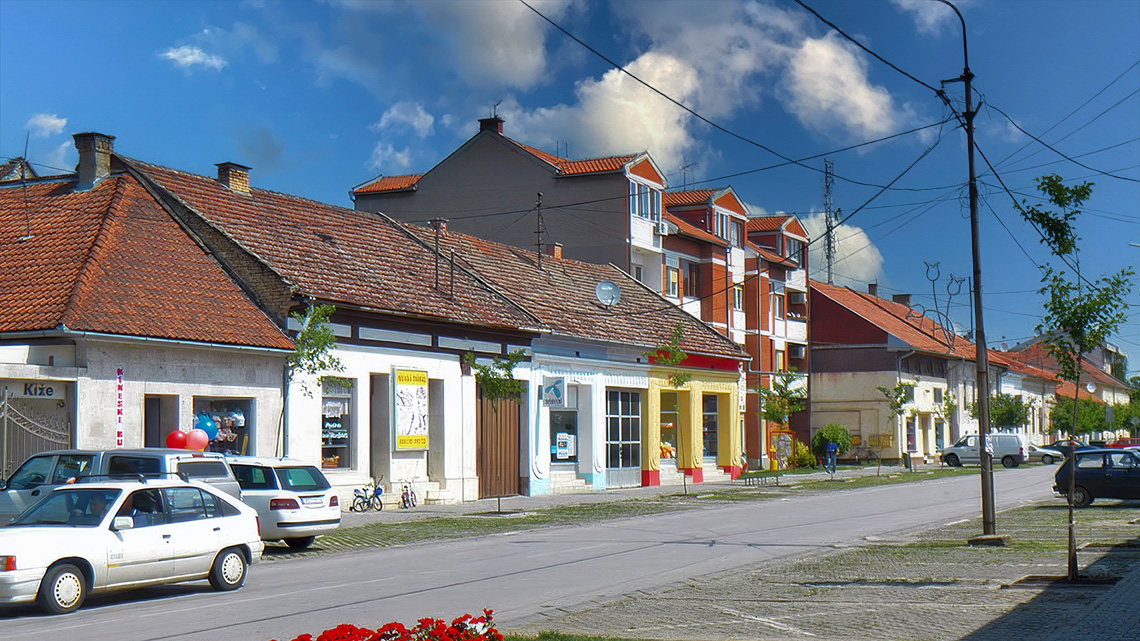

Novi Bečej, unlike most places in Vojvodina, celebrates in this year, 1991, nine hundred years since the first written record of its existence, although there is fairly convincing evidence that it existed some fifty or more years earlier.

In Plam zavičaja, Lazar Mečkić brings to life the memories of Novi Bečej and Vranjevo, vividly depicting everyday life, traditions, and the natural beauty of this part of Vojvodina from past decades.
Share this page on social media
Often, especially at night when I wake up, I find myself walking in my mind through the New Bečej and Vranjevo of the past, as I left them in my youth, and how they became dear to my heart.
In those frequent walks, I would go, in my thoughts, to the Great Warehouse, pondering its antiquity (built in 1780) and all it had endured over time.
The memories of the people who surrounded me in my hometown are especially dear. Many of them have long passed away, but the beautiful memories remain, and I fondly and respectfully remember them.
After the accident of the small ship Stari Bečej on September 12, 1931, Novi and Stari Bečej were left without daily passenger boat transport for a while. However, this situation didn’t last long, as the Belgrade shipowners Jezdić and Bakarić agreed to provide transport using their beautiful and almost new motorboat Tomislav.
Reflecting on my journey aboard the "Miroslav" ship, I recalled two uncomfortable moments I experienced on the Tisza. They weren’t tragic, but they were thrilling enough to remain unforgettable to this day.
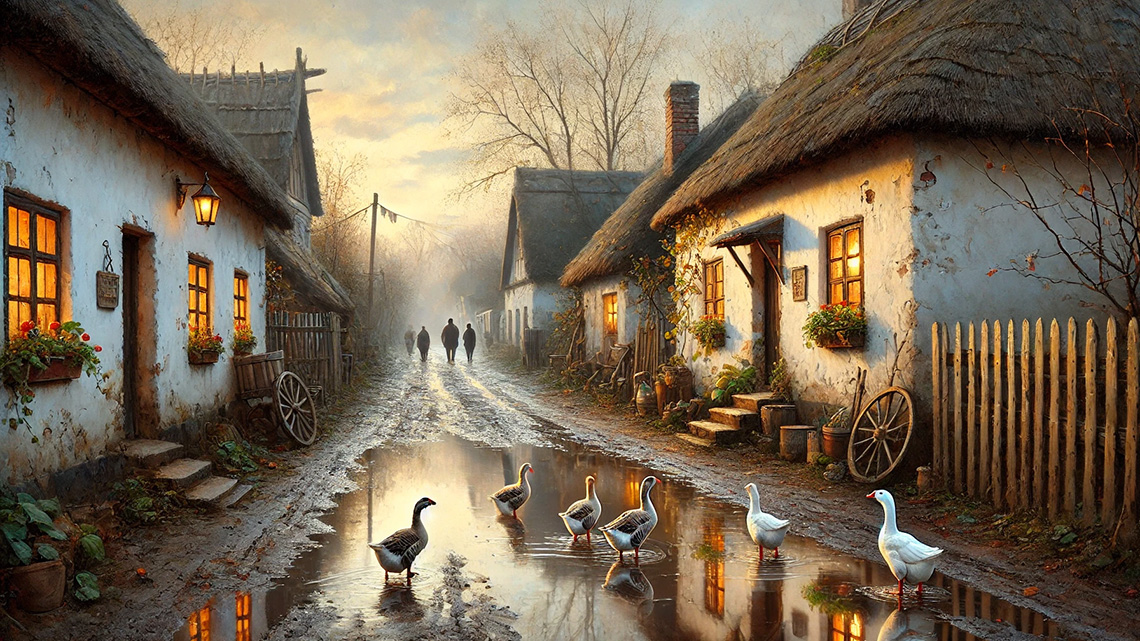
I remember certain streets, their dusty roads in the summer and worn-out, brick-paved sidewalks, or if I think about autumn, then muddy roads and ditches full of water, so in some parts, the entire street was covered with water. I can't imagine such a street without the noise of geese, bathing and chasing each other in the water, breaking the monotony of an otherwise very quiet street.
Immediately after the release of my book The Charms of Days Gone By, Ljubica Nićin (this is her maiden name) and a few others noticed that I had forgotten to describe the blooming of the Tisza. This account serves as proof that I truly did forget. The Tisza mayfly, without a doubt, belonged to the exceptional charms of the past. Especially since it, too, has vanished, just like many other former joys of life.
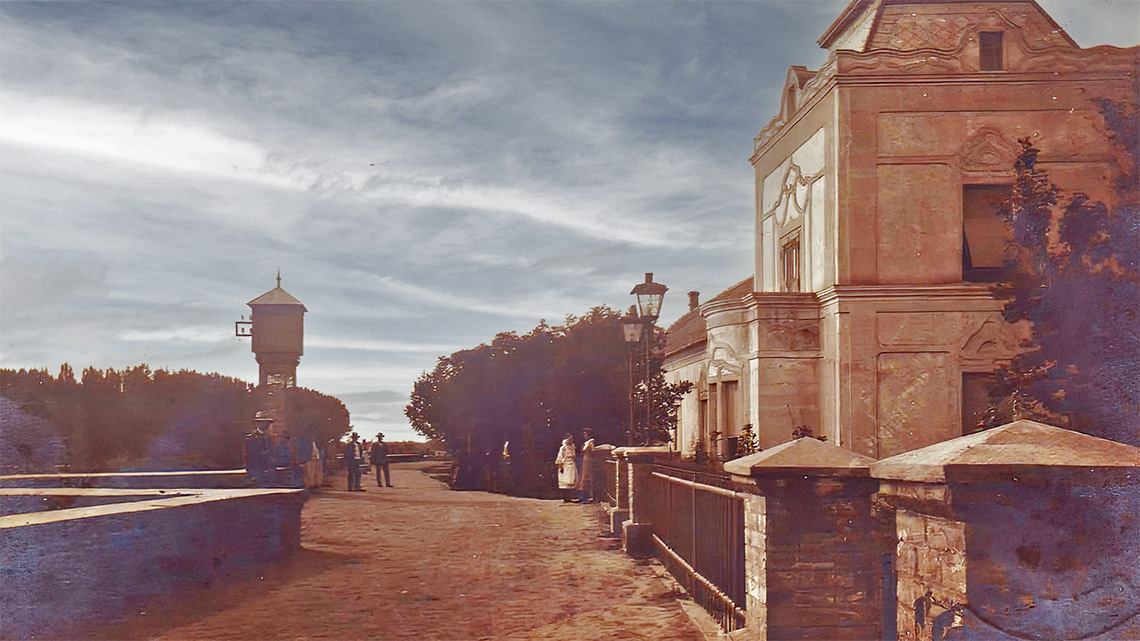
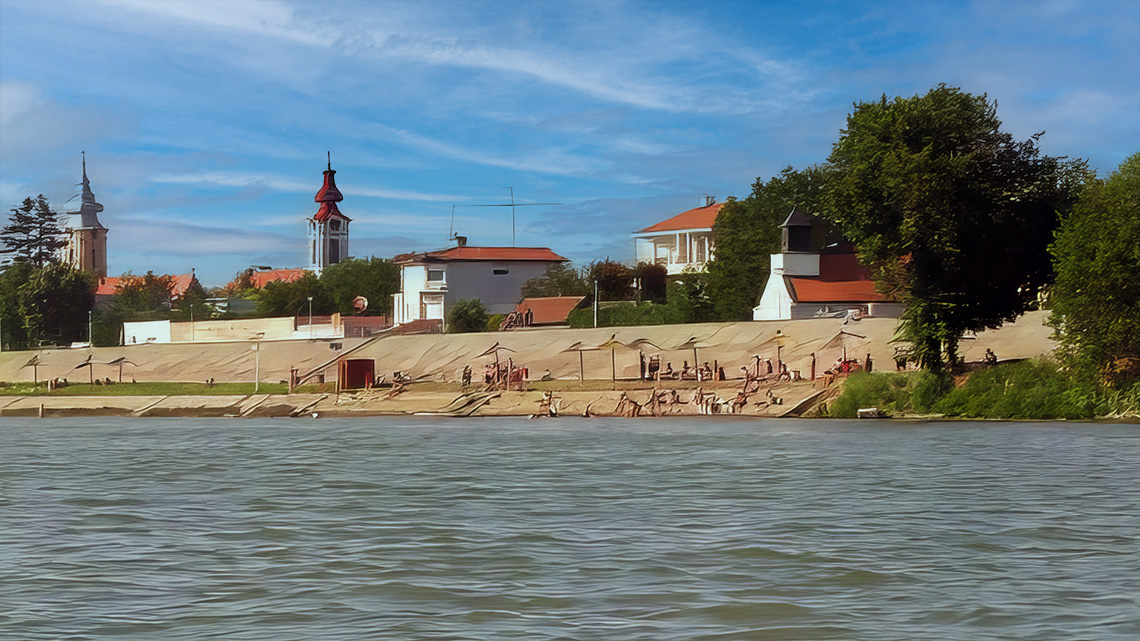
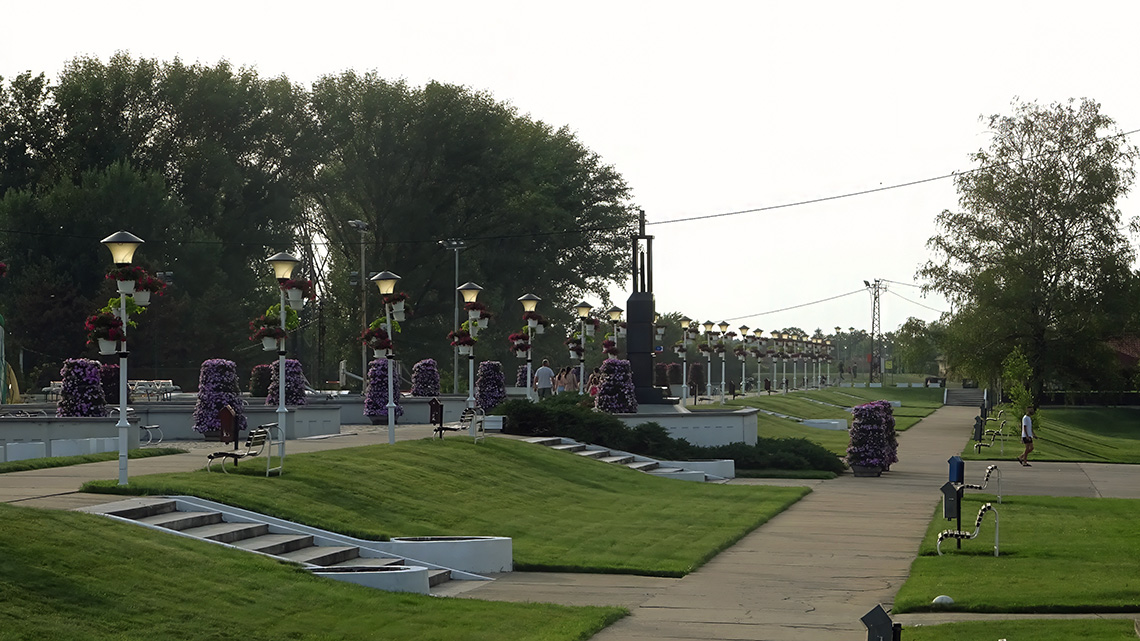
On the dike, from the river navigation agency, today’s Workers’ Home, to the ferry house at the corner of Svetozara Miletića Street, it was a promenade from spring to autumn. It was truly enjoyable to stroll along the dike, admiring the beauty of the Tisa and its forested banks.
The word salaš is of Hungarian origin (szállás) and has been in use since the 13th century. Even today, numerous settlements in Hungary bear the suffix -szállás in their names, such as Kisújszállás, Jakabszállás, Kunszállás, Fülöpszállás, Szabadszállás, and others.
After World War I, and likely even earlier, Novi Bečej and Stari Bečej were connected by a small boat named Stari Bečej, which made multiple trips daily between the two towns. I remember that until the establishment of a private high school in Novi Bečej, students from Stari Bečej used this boat to travel to the upper grades of the high school. At that time, Stari Bečej only had a lower-level high school, covering up to the fourth grade.
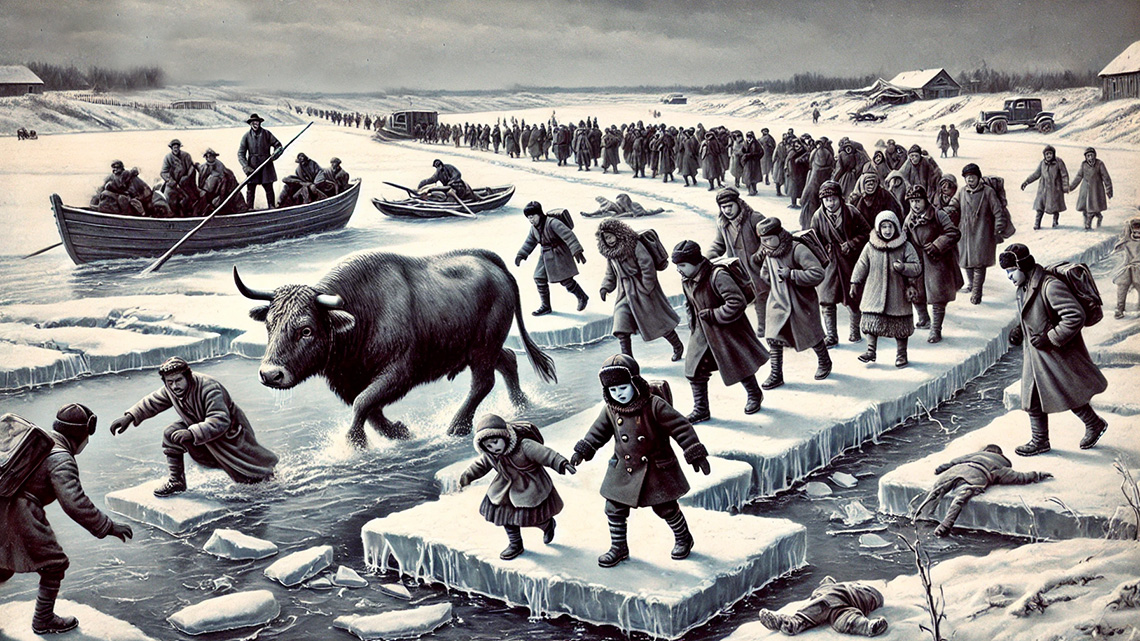
Winters, in the times I remember, were harsh and long, with plenty of snow. These days, such winters occur roughly every 8-10 years, but back then, they were almost a regular occurrence. Frosts would start in November, and snow would arrive by mid-December, lasting until the end of February.
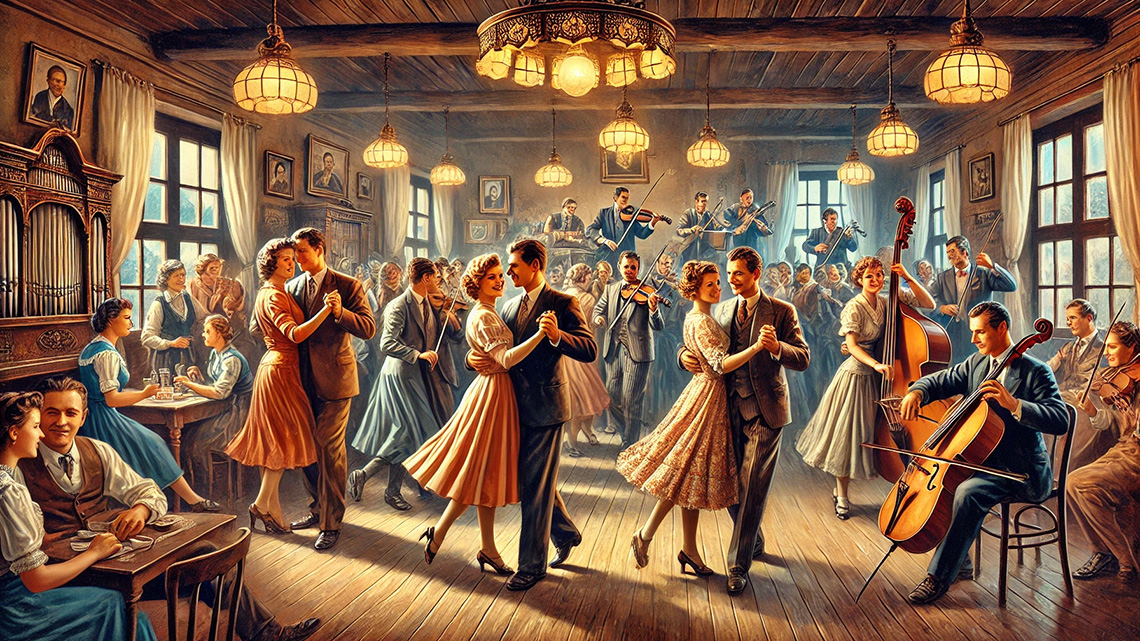
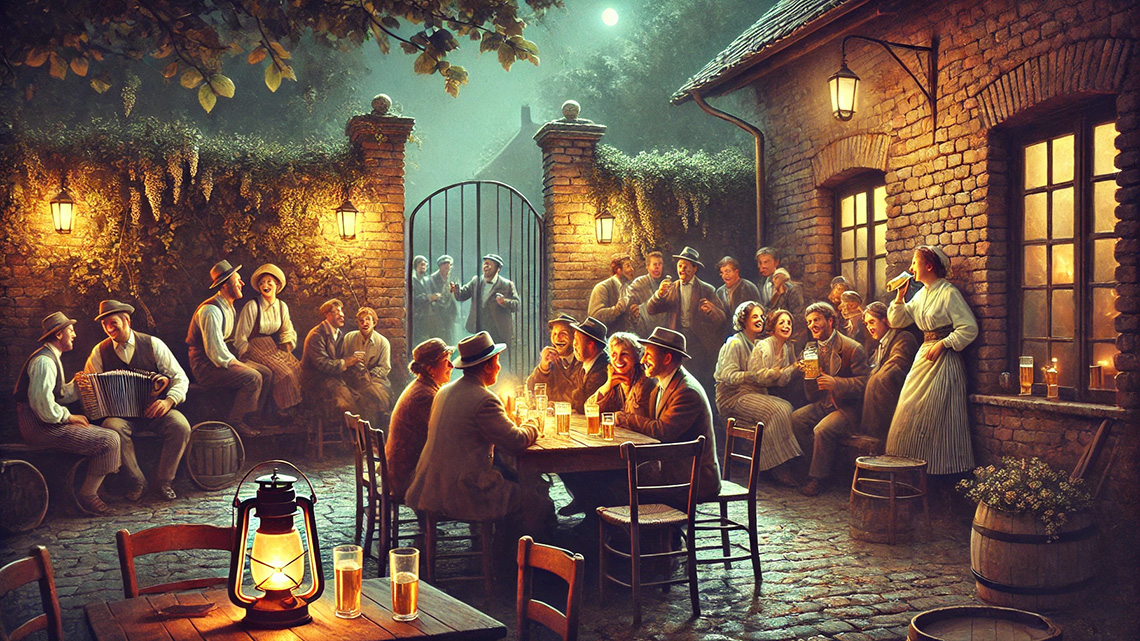
It’s pleasant to recall the wonderful and unforgettable dances at the Sokolana, or at the “kolo”—as the dances held in taverns were called—at Uncle Arsen Pecarski's and Uncle Nova Trbić's place in Vranjevo. It was so beautiful that now, I feel as though in those youthful years, we lived for nothing else but that.
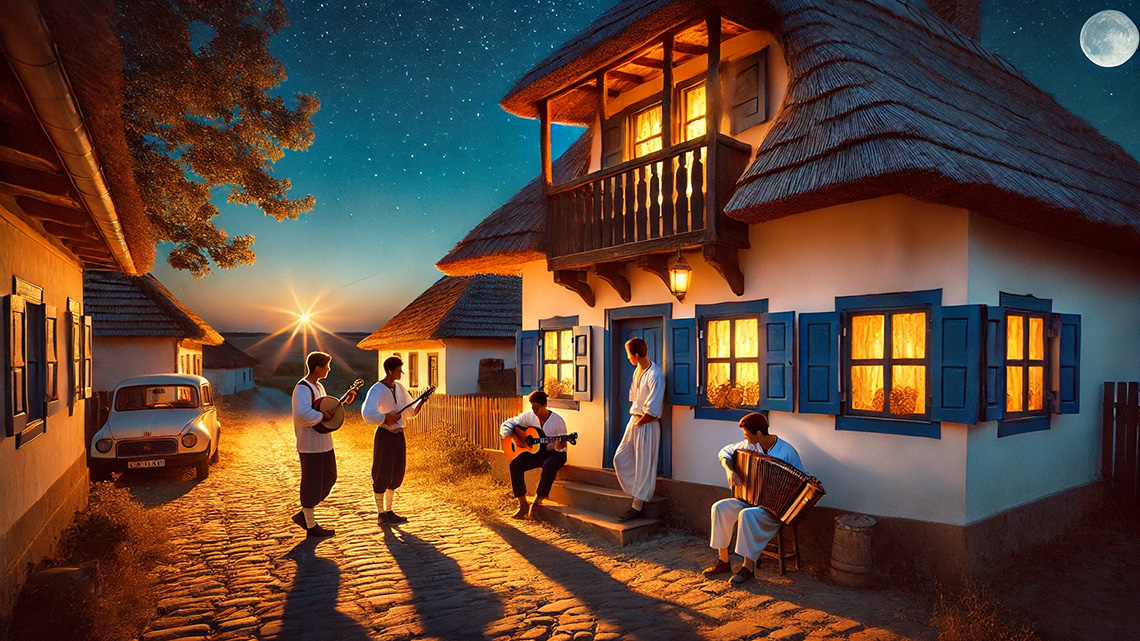
Sometimes, enchanted by the magic of summer evenings, sitting on the benches of the embankment, we would decide to share our joy with those who were not with us that night. And so, we would make the decision to perform a serenade for one of our dear friends or a charming guest.
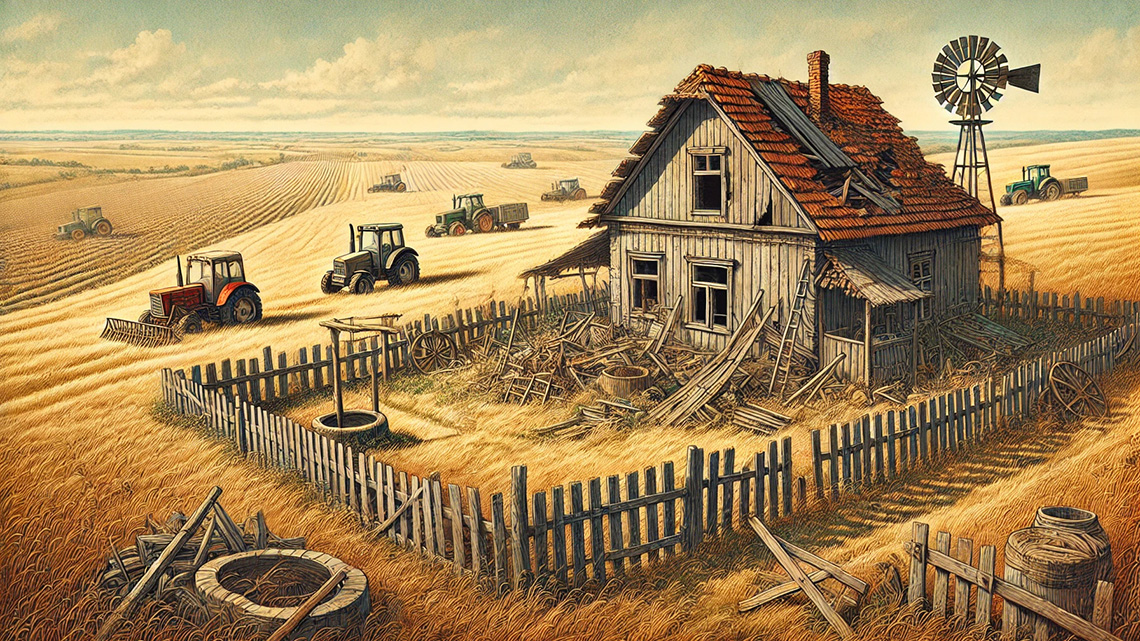
Unlike today's farmers, who work the land with tractors and usually keep at least some minimal spare parts like spark plugs, a fan belt, and similar items, in the time my memories refer to, farming was done with horse-drawn plows, and all transportation relied on wagons.
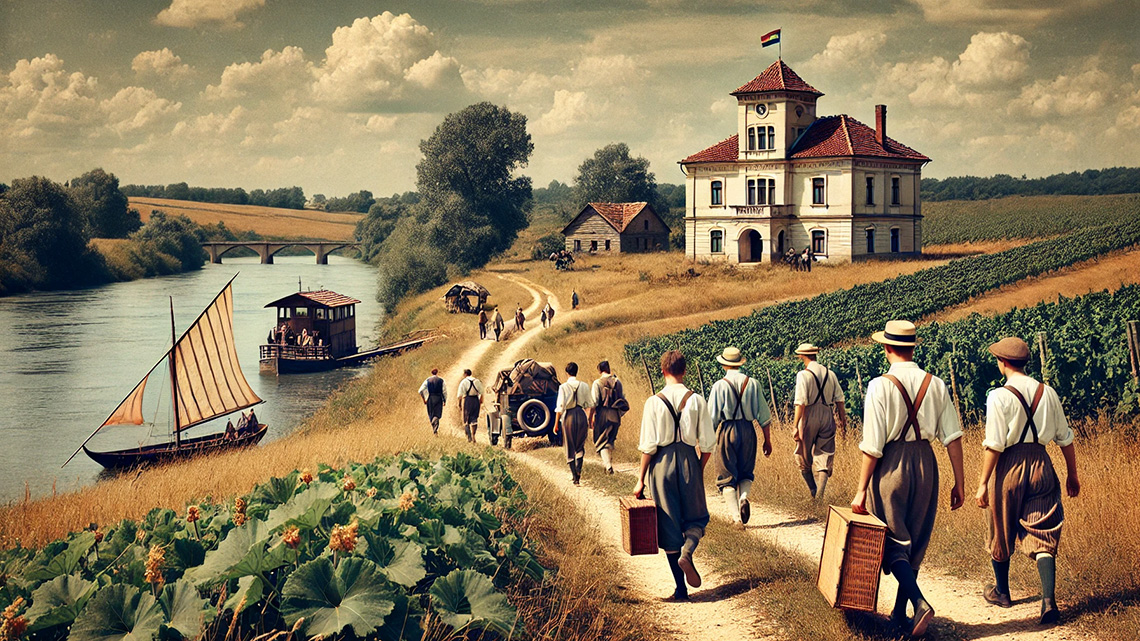
Trips to the Ivanović and Rohonci estates sparked a desire for more outings. So, throughout the summer of 1937, almost every evening, after the promenade ended and the shops closed, we would go to the garden of Miloš Gavrić’s tavern. The tavern was located on a corner, across from the Workers' Home, in the house of Duško Nikolić.
No more than three or four days had passed since our excursion to the Ivanović estate, and by Sunday, we were off on another one—this time much longer and more exhausting for walking. From Novi Bečej to the Rohonci estate in the Bečej marshland, or as it is known today, Pearl Island, it is at least eight kilometers one way. If you're counting the total distance for both directions, then maybe this trip isn't for you!
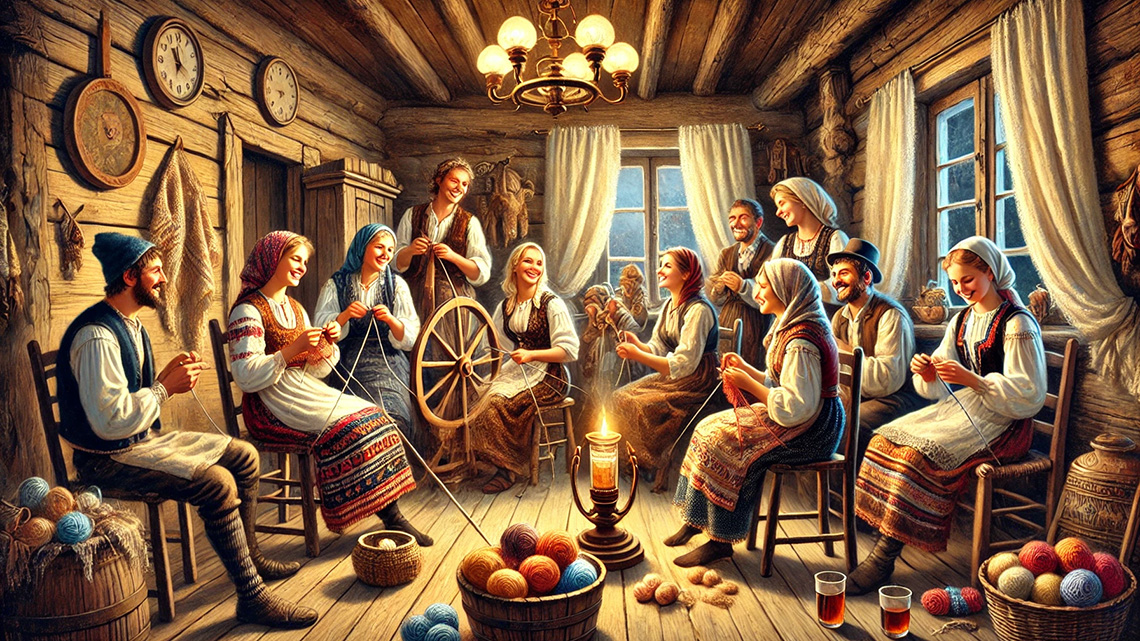
The very name of these gatherings suggests that they were created so that women could gather in the autumn and winter evenings to talk about everything that had happened in the village while spinning with a spindle. Once they exhausted the stories of events that had taken place during that time, they would tell folk tales. When the storytellers "ran out" of stories, the conversation would turn to songs, and this cycle continued from one gathering to the next.
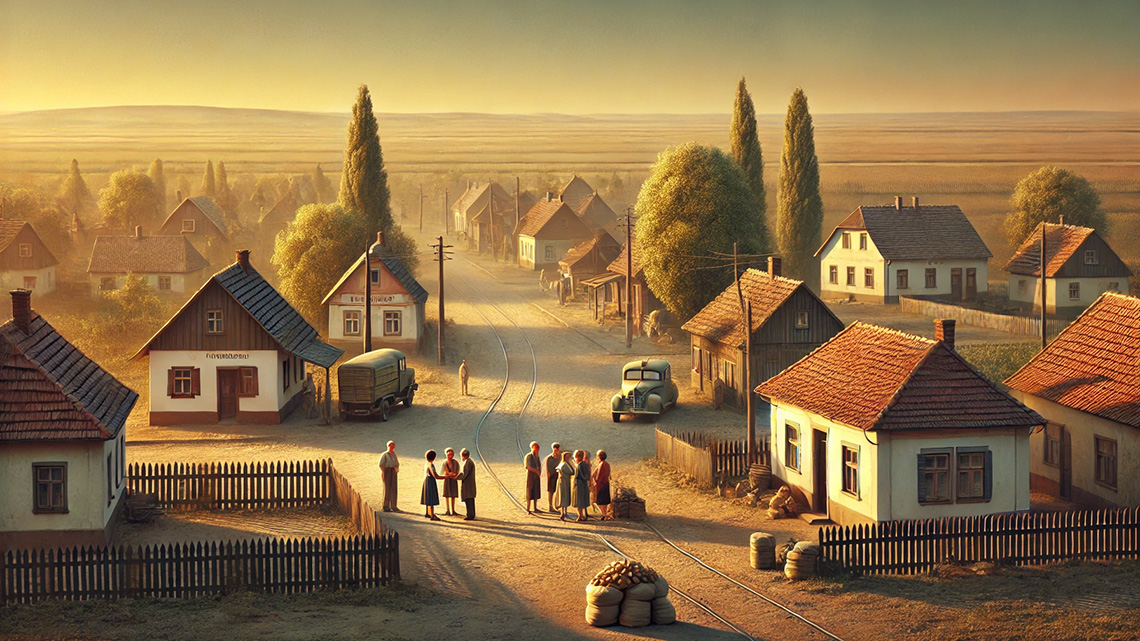
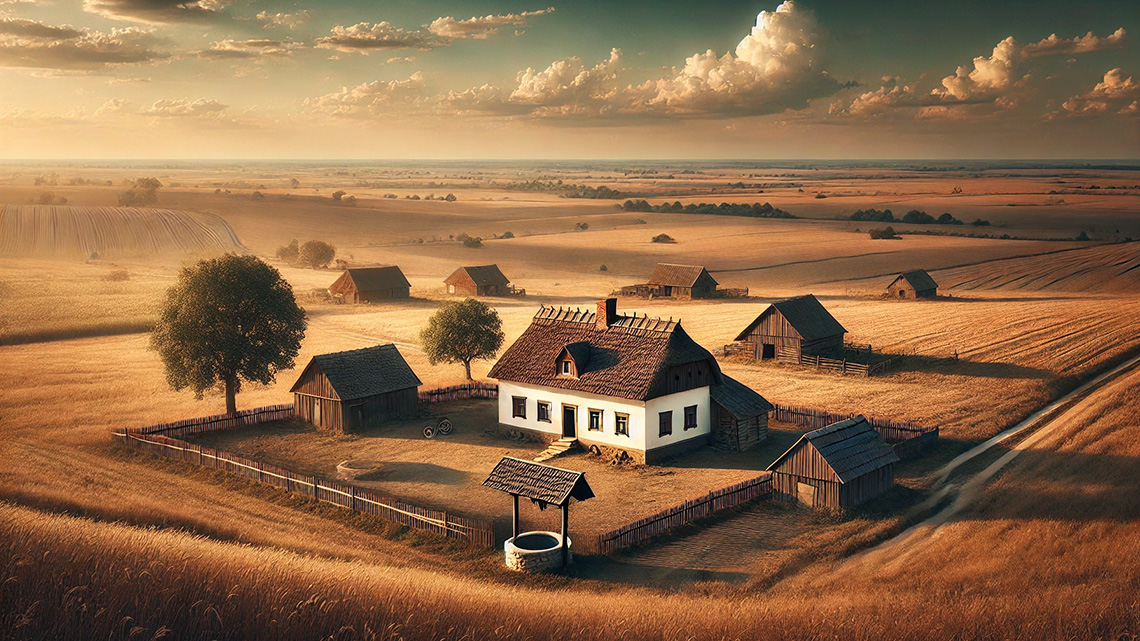
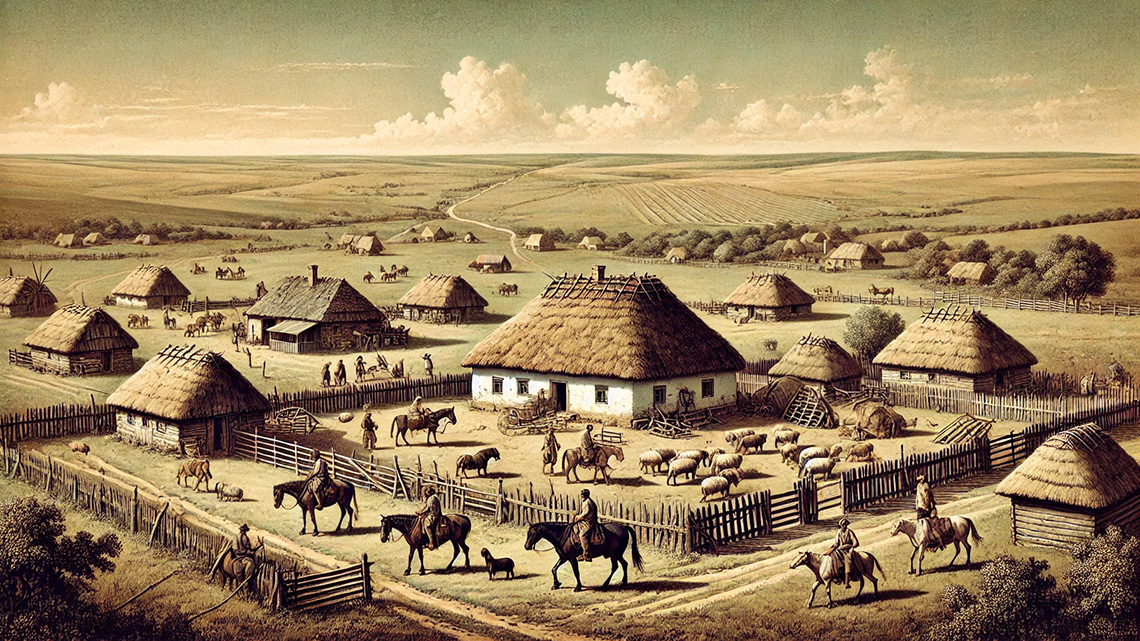
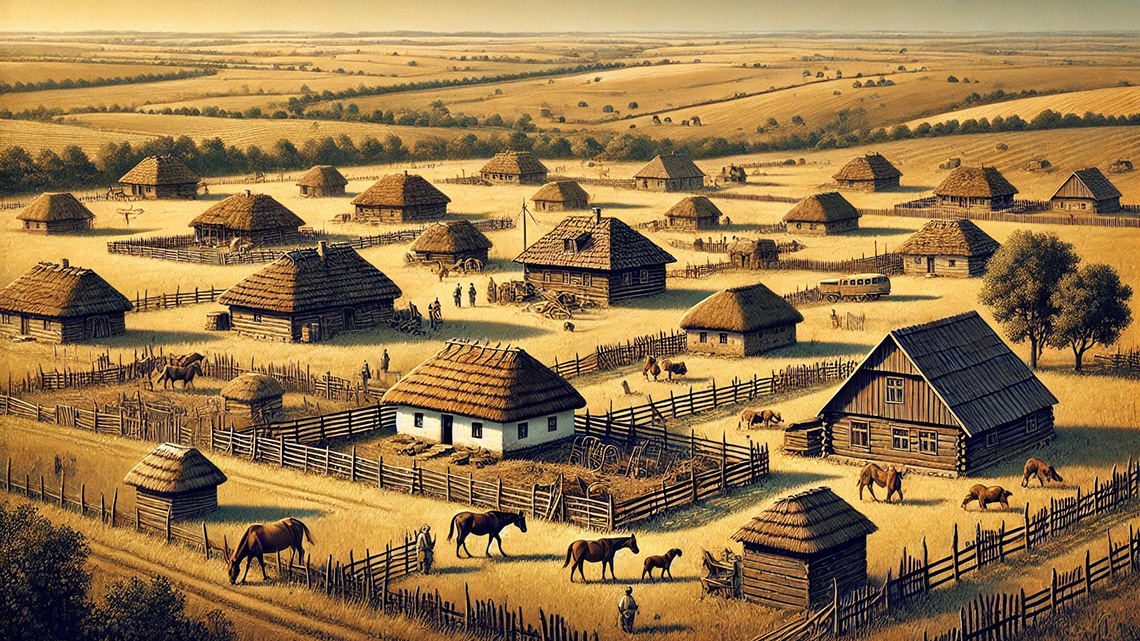
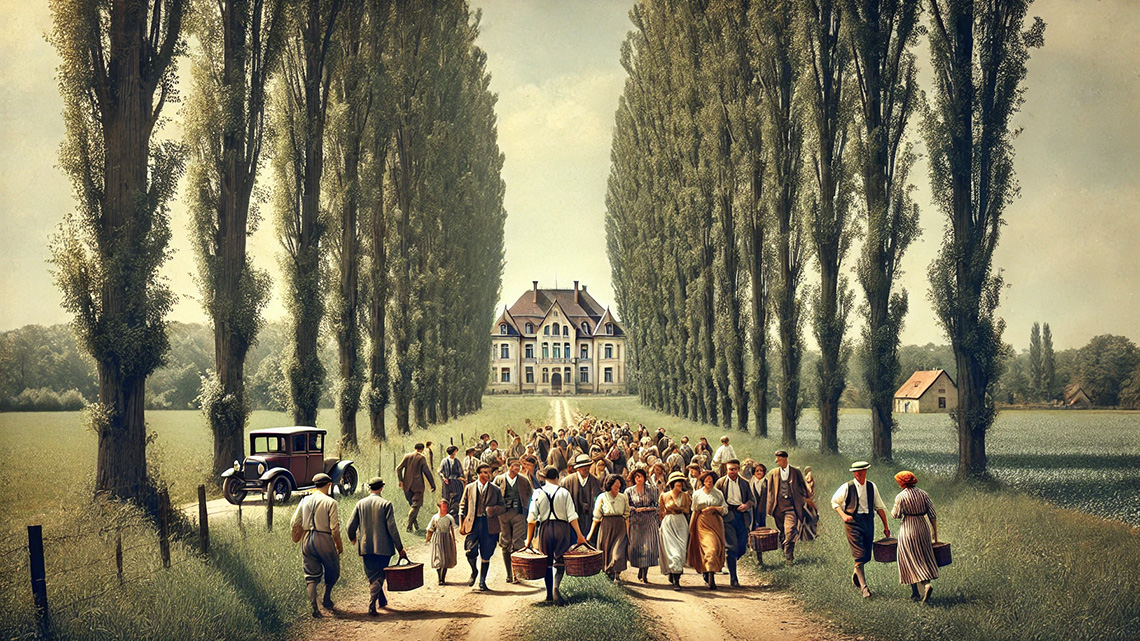
The way of life in Banat and Bačka differed under Ottoman rule and after their expulsion, up until the late 18th century. People initially lived in small settlements, but with colonization and land distribution, successful farming created the necessity for farmsteads (salaši).
Up until about fifty years ago, farmsteads (salaši) played a significant economic role and were widespread throughout the cadastral areas of Vranjevo and Novi Bečej. According to data recorded in the book "Torontal County and Cities" by Dr. Samu Borovsky in 1910, Vranjevo had 285 farmsteads, and this number increased between the two World Wars. For Banat's conditions, this was a dense distribution, though in Bačka, particularly in the northern part, there were even more on similar land areas.
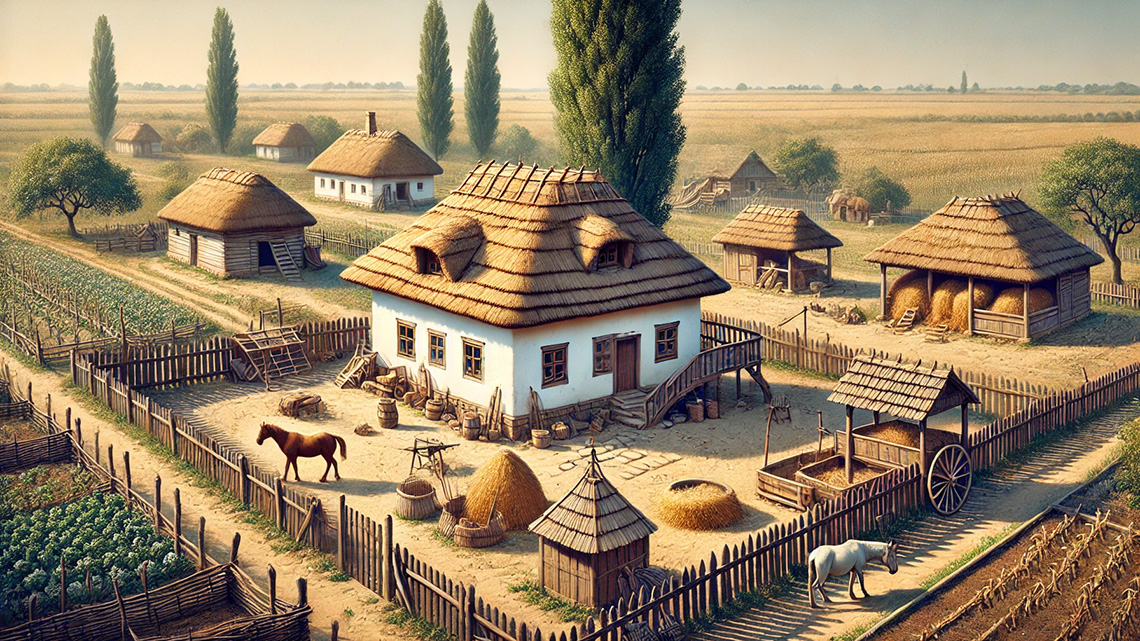
As part of presenting the role of farmsteads in the lives of our fellow citizens from the not-so-distant past, it is useful to describe the general appearance of a farmstead yard, along with the arrangement of buildings and rooms within them. This is even more relevant because village house yards were similar in layout, making this account valuable for documentation purposes as well.
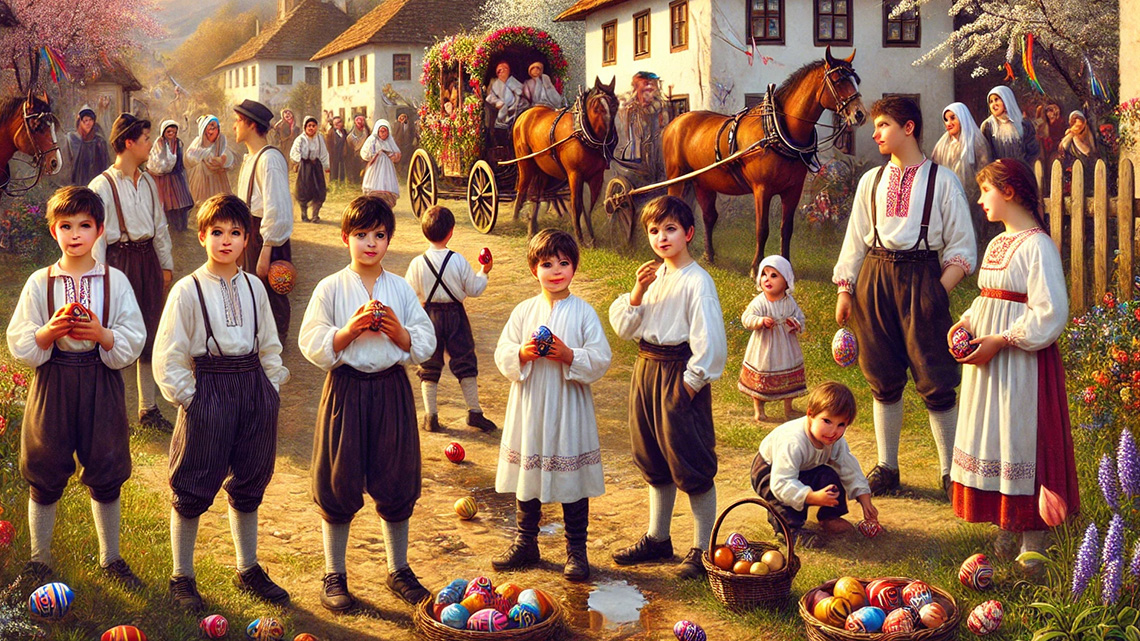
The memories of Easter and Christmas traditions are beautiful—customs that our children, especially our grandchildren, no longer know, yet they remain etched in our memories.
Before saying more about Easter traditions, I must first highlight what was difficult for us as children.
Altered economic conditions and the development of productive forces in agriculture are the main reasons for the disappearance of farmhouses. With the reduction of land ownership limits after World War II, first to 20, and then to 10 hectares, farmhouses lose their previous significance in production.
Folk songs like "Hey homesteads, I will come to you again..." or "Hey homesteads in the north of Bačka," with their exceptional melody and perhaps perfectly chosen words, awaken a longing for homesteads even in those who have never experienced their charms in reality.
The social life in Novi Bečej and Vranjevo, fifty or more years ago, mainly took place in the Sokolana and taverns. Conferences, meetings, and gatherings of political or scientific nature were held there. In short, all entertainment and social activities happened indoors—either in the Sokolana or in taverns. The only exceptions were summer swimming in the Tisa River, football training, and matches in the Gradište grove.
Although I lived with my parents on a farm near Novi Bečej, on the road to Kumane, all my close friends during those childhood years were from Vranjevo. Thanks to their stories, I fell in love with certain parts, or rather places, of the Vranjevo field more than with those of Novi Bečej, and I was eager to get to know them better.
A considerable amount of time had passed since our trip to Šumica before we embarked on a new adventure to Matejski Brod. We were eagerly waiting for Voja Glavaški to get a bicycle so that the three of us could ride together. This anticipation lasted almost until the end of the school year. Voja finally got a Vesta-brand bicycle, just like mine, but his was newer and more stylish by two years.
As the years went by, I wanted to pass on my love for nature to my older friends and join together for excursions around the surroundings of Novi Bečej and Vranjevo. However, it wasn’t easy, as, as I mentioned earlier, there were no established traditions.
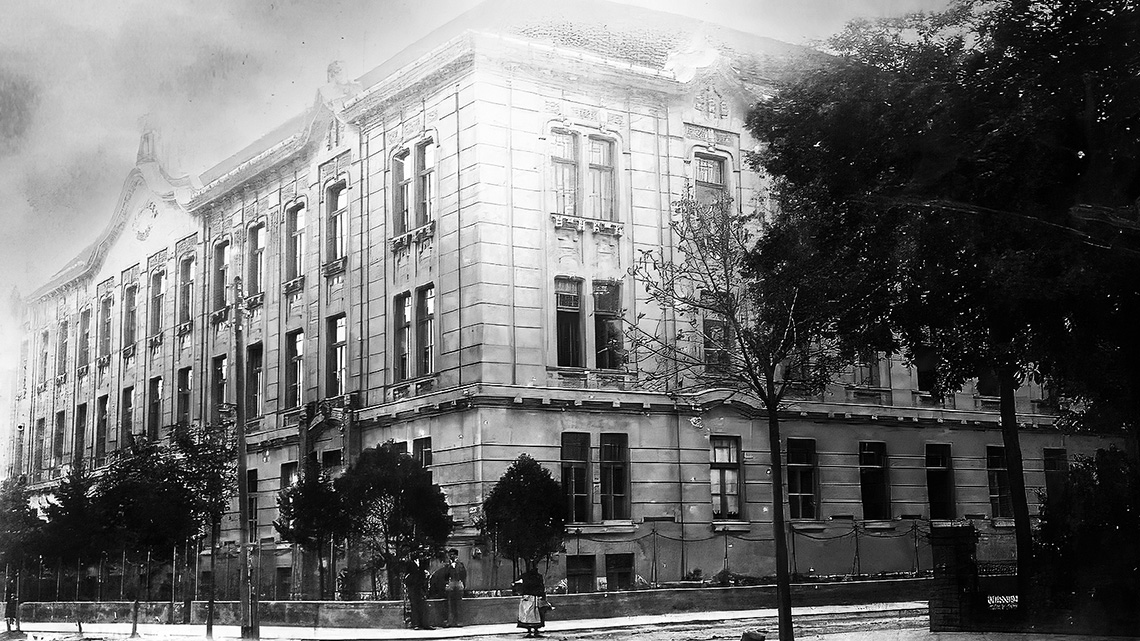
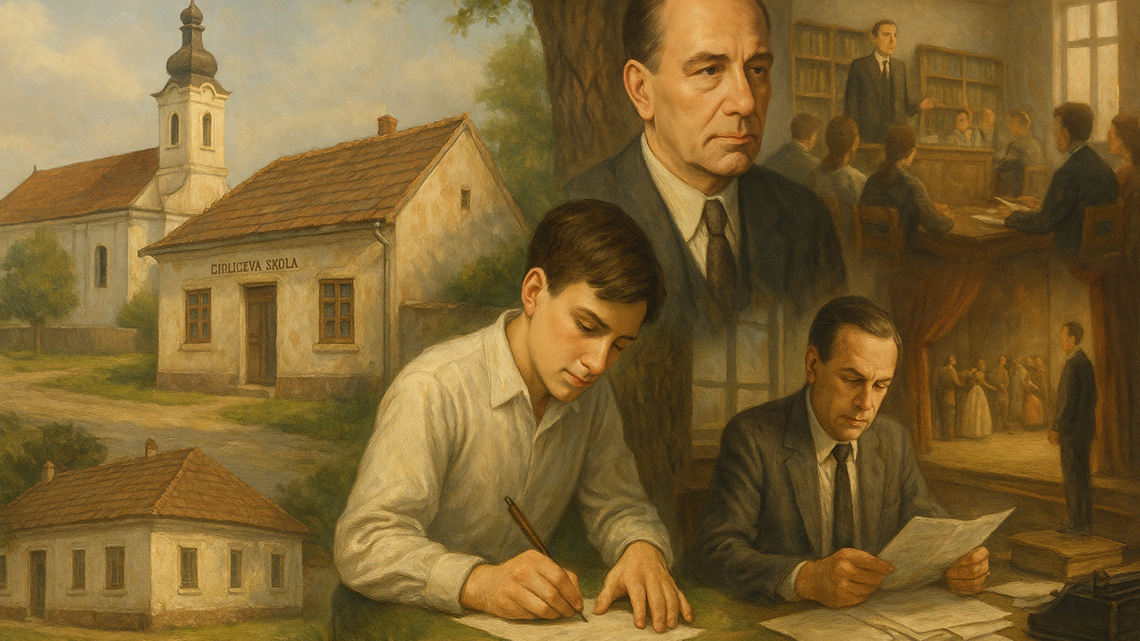
I will not delve into a historical account of the development of education in Novi Bečej and Vranjevo, as I have already provided such a description in my book “Novi Bečej and Vranjevo Through History”. Instead, I would like to highlight a turbulent and almost revolutionary period in the school history of Novi Bečej between the 1920s and 1930s.
Our prominent writer, Isidora Sekulić, says about the homeland:
“Where is the homeland for people? It’s where others around them understand, completely and deeply, what they say, from the last external and internal tremor of their language, they understand what delights them and what hurts them.
I begin to feel my homeland even on the road to Novi Bečej, right after leaving Kumane. On that road from Kumane to Novi Bečej—whether by train or bus—I start recalling everything that once existed there or what ties me to that path, from the time when my love for my homeland was most deeply growing.
Two years ago, on June 27, 1989, the distinguished writer Bogdan Čiplić was laid to rest in Belgrade, at the "Lešće" cemetery, at the age of 79. The burial site and the ceremony itself were very modest, reflecting Čiplić’s own humble way of life.
I do not consider myself an expert qualified to critically evaluate the literary work of Bogdan Čiplić. However, out of respect for him and from the memories of our friendship during the last ten years of his life, I will attempt to present—in the broadest terms—what I observed of his literary output.
After the war, in 1948, Bogdan Čiplić wrote a new play titled Nad popom popa ("A Higher Priest than the Priest"). It was performed around ten times at the Serbian National Theatre in Novi Sad.
Even in his youth, Bogdan Čiplić was reserved and somewhat detached from social life, although he was a good conversationalist, open as a person, and musically educated. Because of that, he could easily fit into any tavern company. But he lacked one crucial thing—a desire for such a lifestyle. Just like the expression jokingly says: "but"—what ruins a girl’s happiness. That "but" steered Bogdan Čiplić’s life.
Sara, not only as a teacher but also as a homemaker, was an exceptionally hardworking woman. I had the privilege of hearing this from my sister, who was one of her students in elementary school. Their home was always tidy, and the preserves Sara made were always top-quality. In this regard, she was a role model to many.
He was, heart and soul, bound to Vojvodina. However, those who ingratiated themselves with politicians, receiving authority and promotion to influence the cultural development of the province, saw his dedication as intrusive.
How honorable, courageous, humane, and brave Bogdan Čiplić was in crucial moments was illustrated by Ivan Ivanji in his speech at Bogdan’s funeral. Among other things, he recounted how, as a Jew, he managed to escape from Banat—where the Volksdeutsche were among the first to carry out genocide against Jews—and reach Novi Sad without any documents.
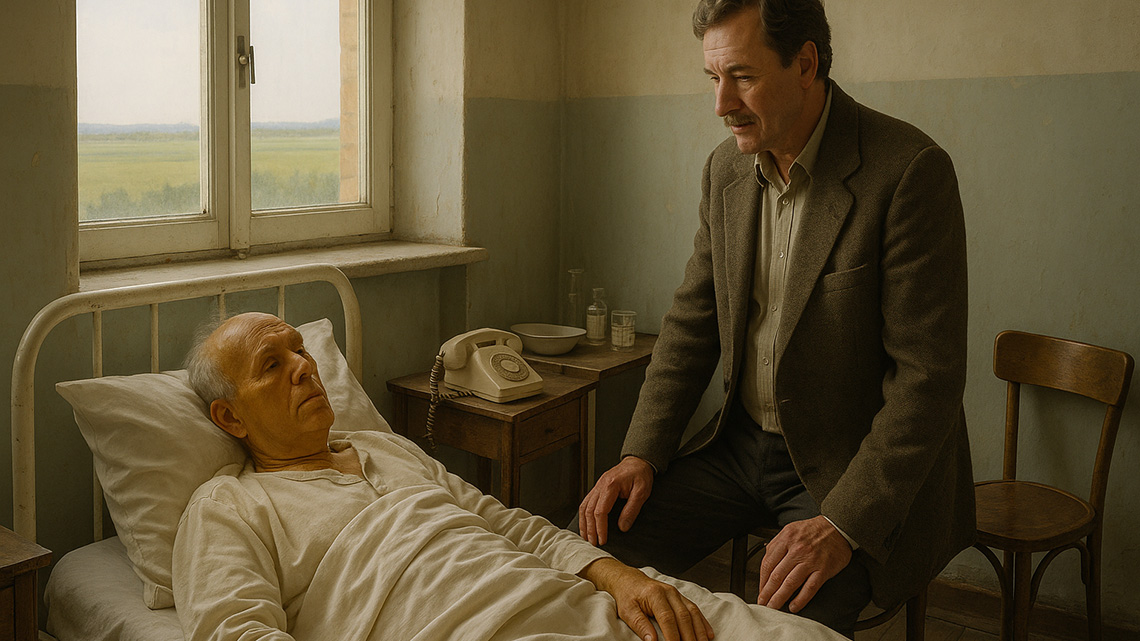
After several months, around April, he called me and explained that his food poisoning had complicated, and that he had been in the hospital for three months. That's why he hadn't contacted me, but now he wanted us to meet.