



Sava Baračkov was born in 1929 in Kumane, Banat, where he completed elementary school. He attended construction and architectural secondary schools in Novi Bečej, Petrovgrad, and Novi Sad. In 1955, he graduated from the Department of Scenography at the Academy of Applied Arts in Belgrade, under the mentorship of Professor Milenko Šerban.
Immerse yourself in the fascinating world of the past and culture of Novi Bečej through our virtual library, where the pages of books turn into windows through time. Here we discover the wealth of local heritage through complete works that bring stories of brave people, important events and unique traditions.
Share this page on social media

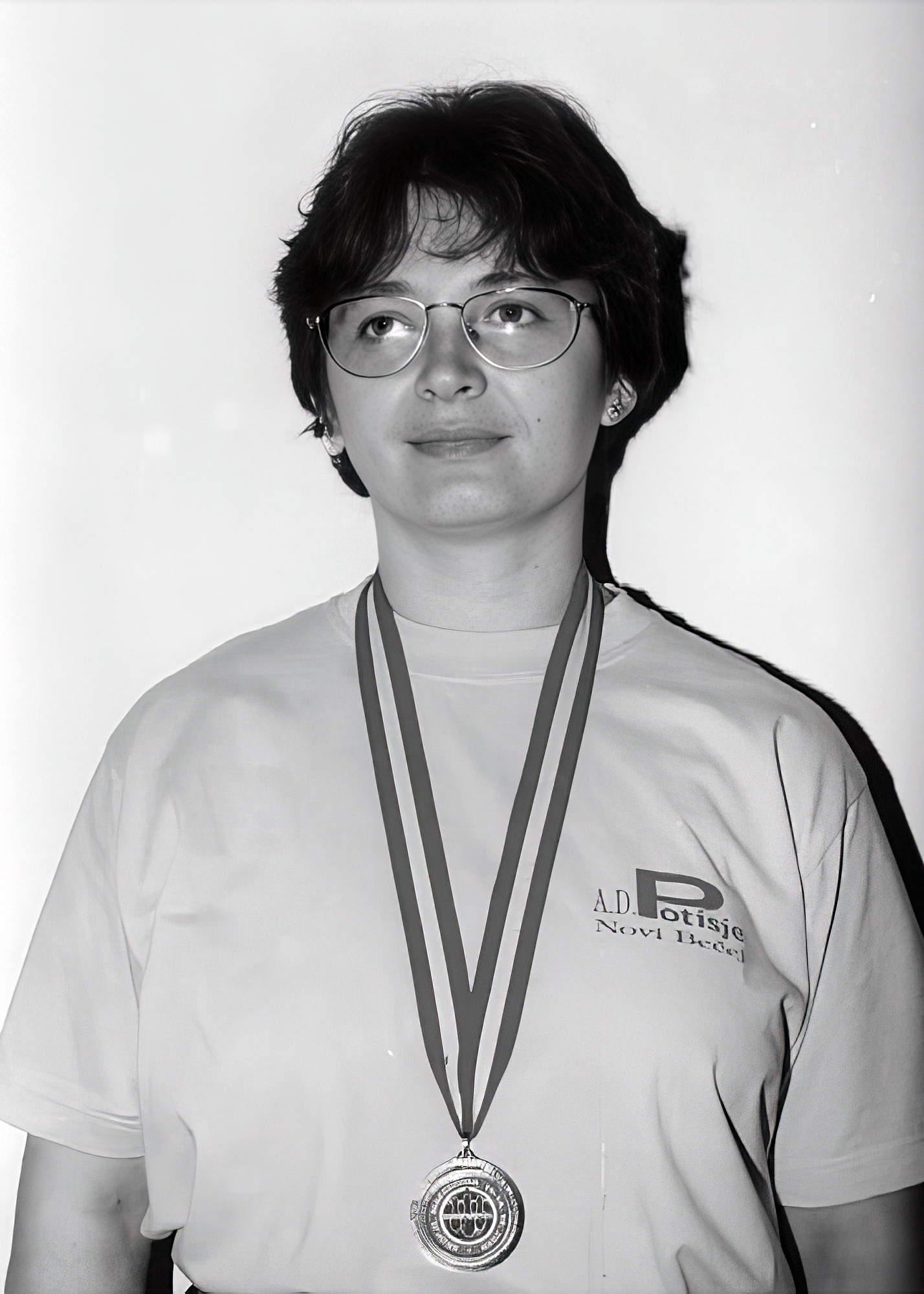
Stevan Davidović
On the Roof of Europe
After the great success in the semi-final, the excitement reached its peak. There was little time for celebration, as everyone eagerly awaited October 14 – the day of the European Cup final. I had the impression that my roommate, Laslo Makra, had barely closed his eyes throughout the entire night.
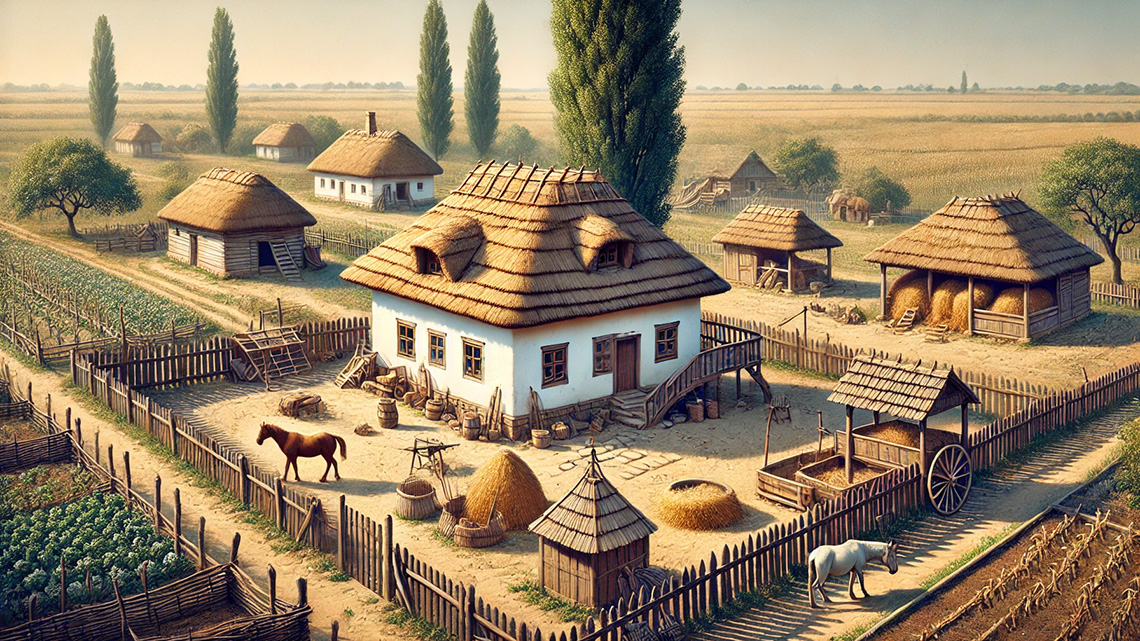
Lazar Mečkić
The Flame of Homeland
As part of presenting the role of farmsteads in the lives of our fellow citizens from the not-so-distant past, it is useful to describe the general appearance of a farmstead yard, along with the arrangement of buildings and rooms within them. This is even more relevant because village house yards were similar in layout, making this account valuable for documentation purposes as well.
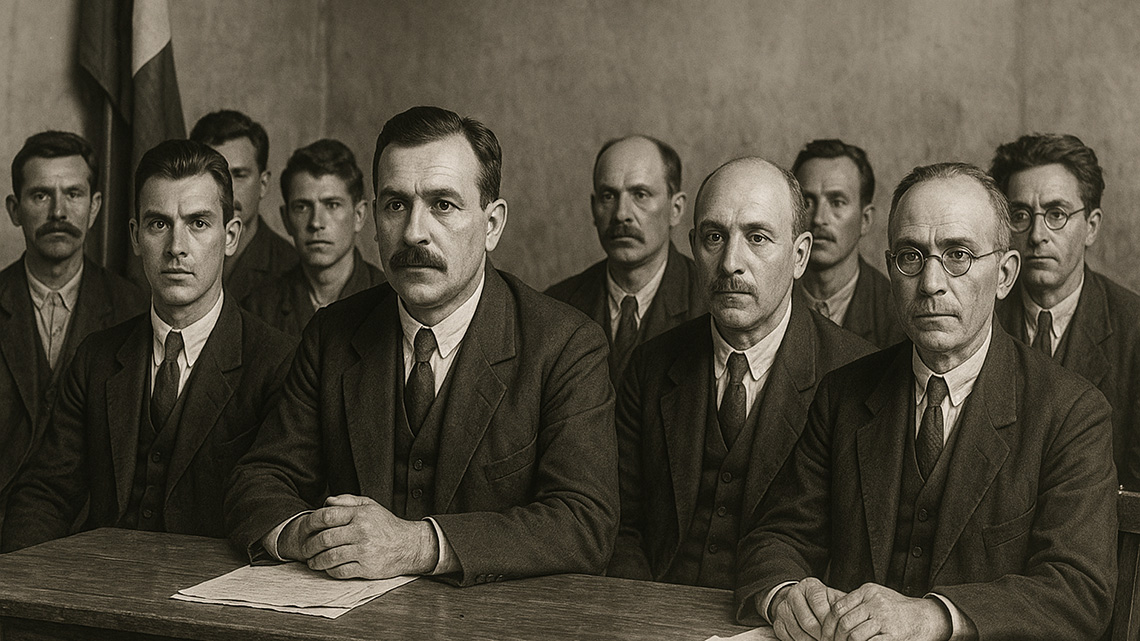
Zagorka Končar i Ljubomir Tabački
Always in the Fight
According to Radnički list, Ljubomir Čolić, president of the Local Party Organization in Kumane, was elected as a delegate to the Second Congress of the Party, held from June 20 to 25, 1920, in Vukovar. In June, a local party conference was held at which seven delegates were elected for the Second Party and Trade Union Congress.
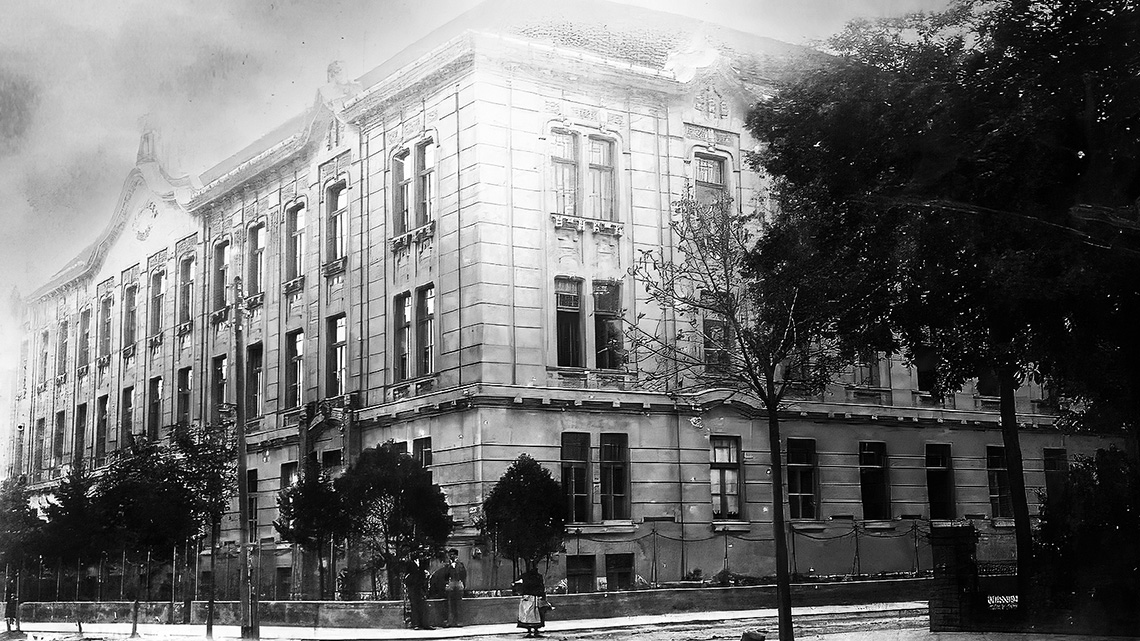
Lazar Mečkić
The Flame of Homeland
I will not delve into a historical account of the development of education in Novi Bečej and Vranjevo, as I have already provided such a description in my book “Novi Bečej and Vranjevo Through History”. Instead, I would like to highlight a turbulent and almost revolutionary period in the school history of Novi Bečej between the 1920s and 1930s.
Vasa Popović
Chronicle of Water Management in Vojvodina
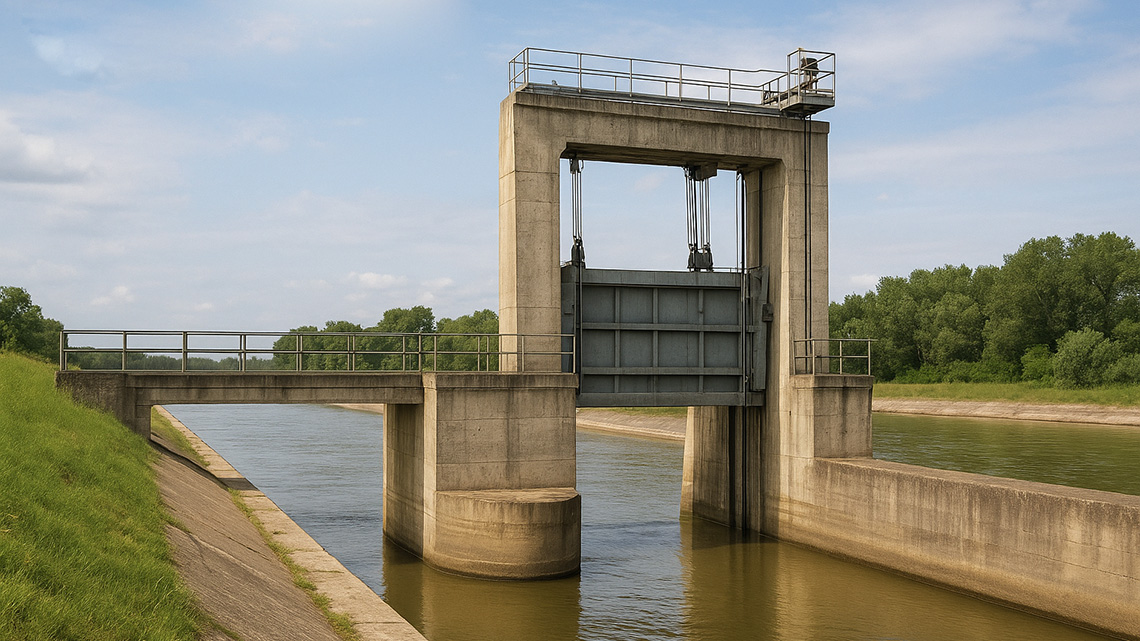
Ustava Novi Bečej (Magistral Canal km 146.66)
The Ustava Novi Bečej was built as a structure for releasing water into the primary canal network to supply Banat with water, as well as for discharging excess water from the Banat section of the canal system into the Tisa River.
Karolj Andre
Personalities and Events: The Past of Novi Bečej
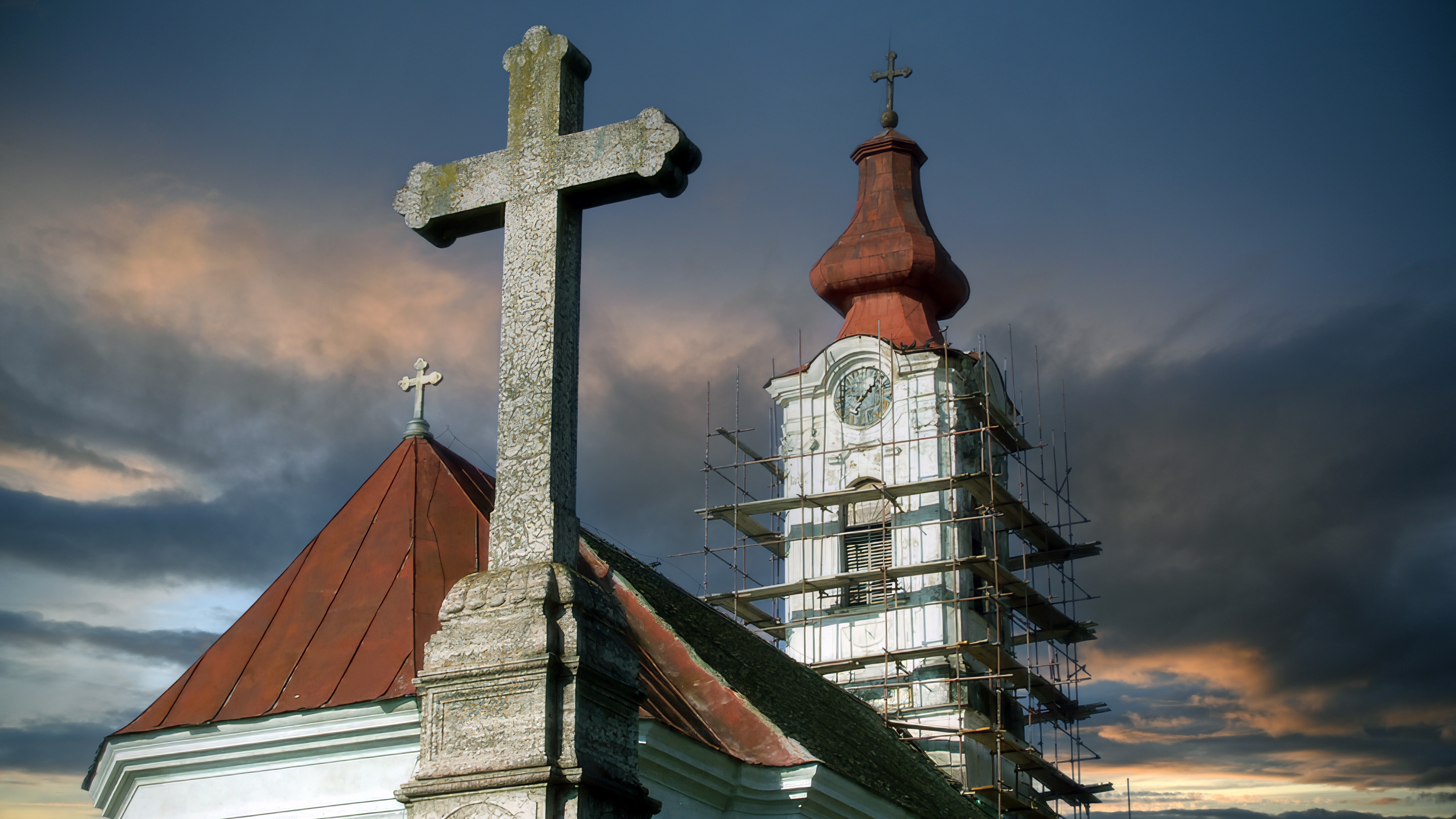
Since the great storm of 1931 toppled the slender tower of the Orthodox Church in Novi Bečej, only a few photographs and postcards remain as documents of that never-forgotten, much-talked-about ornament of our church. When a new tower with a wider structure and a considerably shorter height was erected later that same year, the citizens, especially the faithful, did not look upon it with much affection.
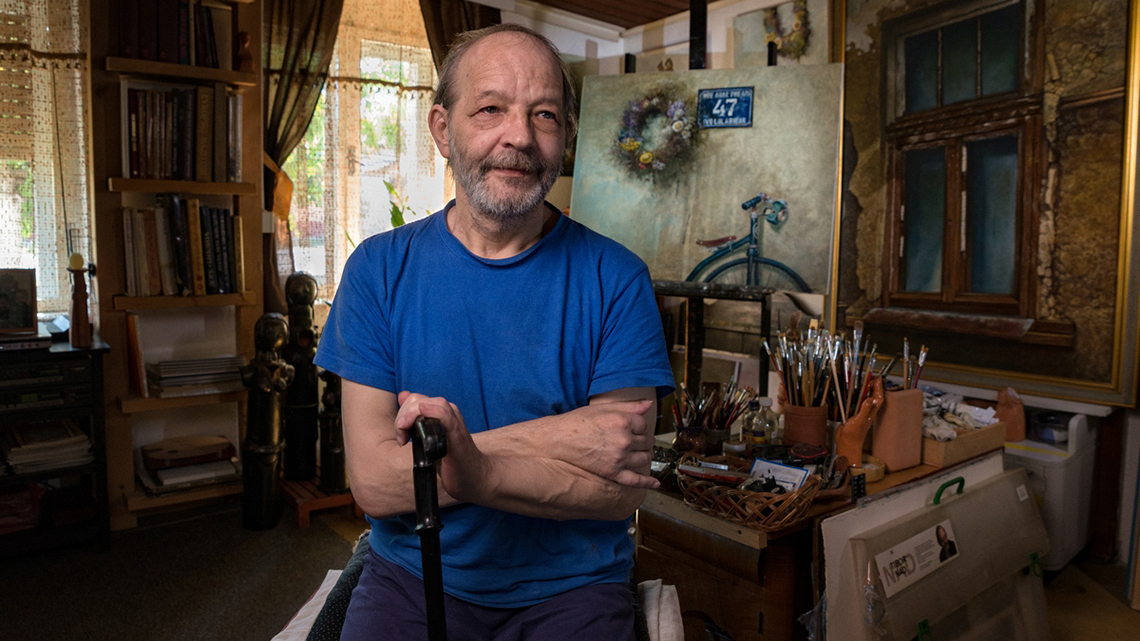
The renowned artist and painter Tibor Nađ was born in Novi Bečej on March 23, 1952. He completed his primary education in his hometown and later graduated from the Bogdan Šuput School of Design in Novi Sad, majoring in Interior and Furniture Design.

Karolj Andre
Personalities and Events: The Past of Novi Bečej
Dr Ljubomir Pavlović was born in Novi Bečej on June 18, 1868, into the family of Nikita Pavlović, a gingerbread maker, and his wife Marica. He received his elementary education in his hometown and completed his secondary education in Sremski Karlovci and Hódmezővásárhely. He studied medicine in Vienna and Budapest, graduating in 1892.
Branislav Kiselički
The Emergence, Development, and Destruction of the Jewish Community in Novi Bečej
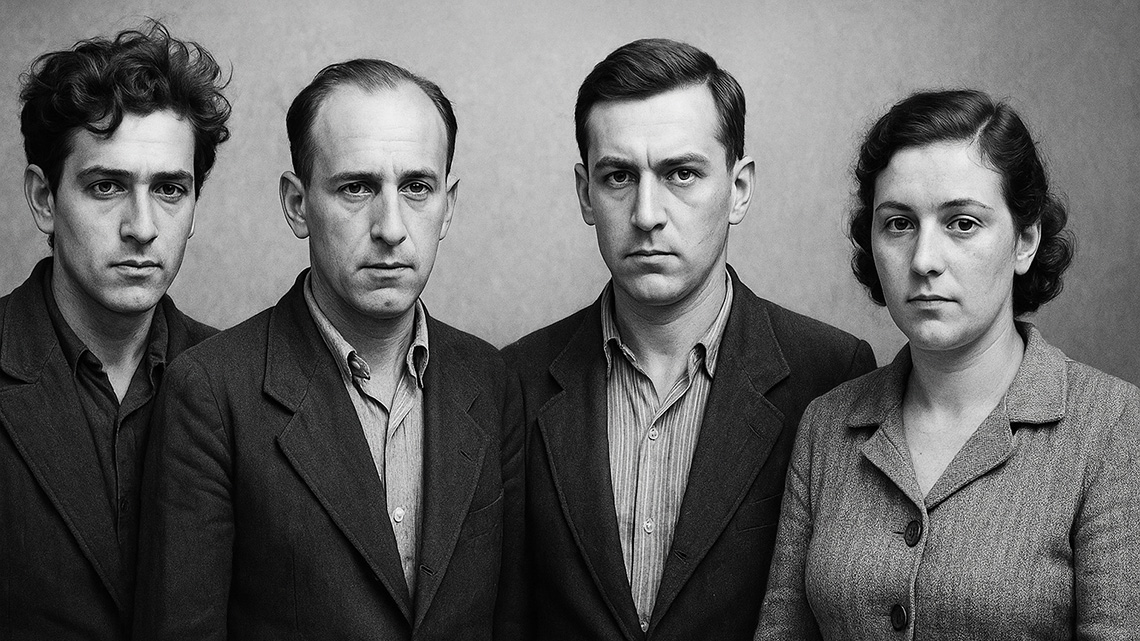
At the same time, from the synagogue in Novi Bečej, young Jewish anti-fascists were deported to a special prison near the District Court in Veliki Bečkerek. Among them were Đerđ “Đurika” Šlezinger, Herman Bergl, Ištvan “Pišta” Šlezinger, and Margita “Dunda” Huven. They never returned—on July 31, 1941, they were executed as part of the first large group of 90 hostages from across Banat.

Lazar Mečkić
Ninety Years of Football in Novi Bečej
Zdravko Gavrić lived in Novi Bečej under an assumed name, Zdravko Radosavljević, as he had escaped arrest by the Hungarian authorities in Stari Bečej, which was under Hungarian occupation at the time.
Branislav Kiselički
The Emergence, Development, and Destruction of the Jewish Community in Novi Bečej
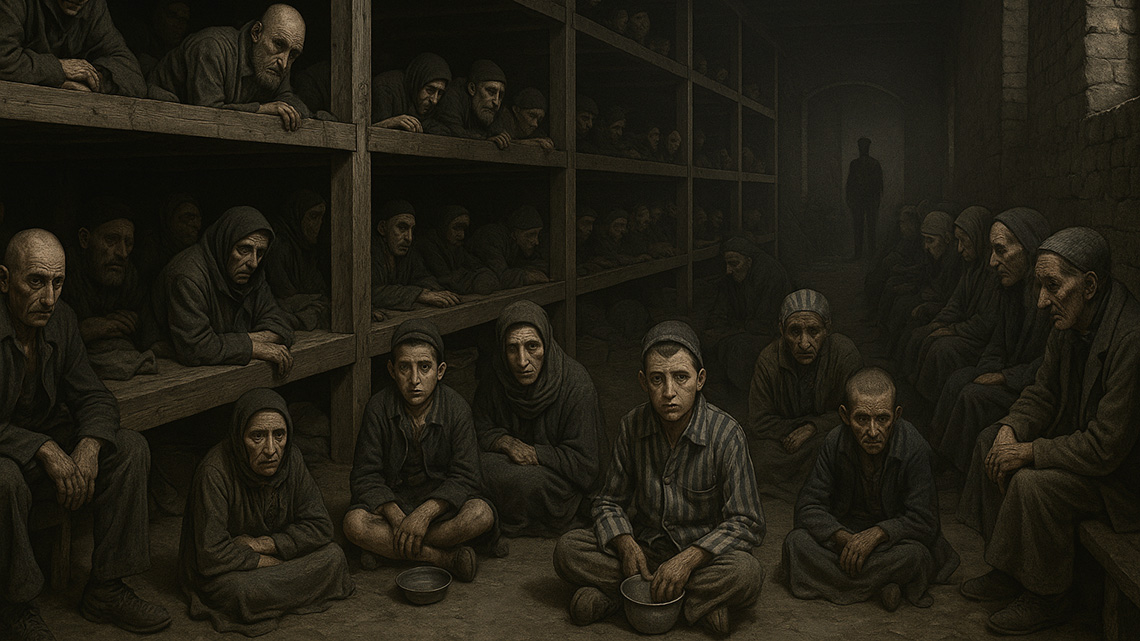
The only available testimony describing the living conditions in the Novi Bečej concentration camp comes from Tihomir Ungar from Novi Sad. At the time, he was a child imprisoned in the camp along with his entire family, who had been brought from Novi Kneževac to the temporary holding facility in Novi Bečej, where they awaited deportation.
Branislav Kiselički
The Emergence, Development, and Destruction of the Jewish Community in Novi Bečej
Fifty years ago, Novi Bečej was the site of one of the terrible crimes of World War II. After five months of imprisonment, the Jewish community, which had existed in our town for more than one hundred and fifty years, disappeared in a single day and forever. Generations after the war could neither learn about nor experience the presence of these people, who were extremely important for the economic and cultural development of our community.
Članaka
0
Articles