
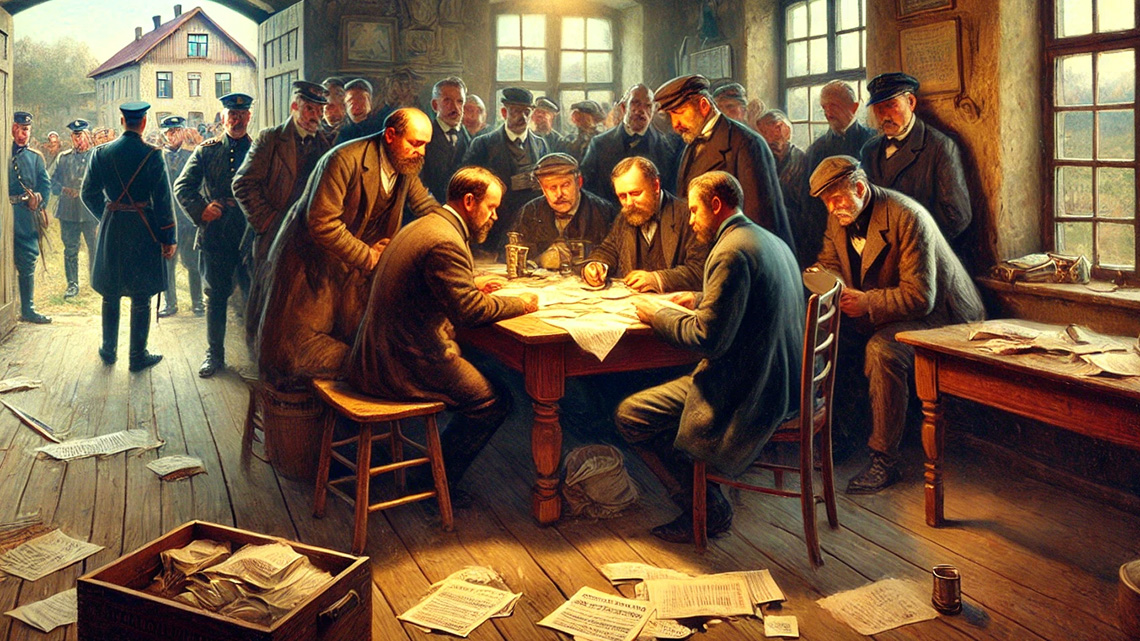
In the 1890s, Socialists were already participating in local elections. In some places, they took power. In Kuman, they achieved their greatest success in the municipal administration elections of 1898, when members of the Social Democratic Party were elected to the Municipal Board: Toša Stančić, the municipal prince, Boža Radišić-Bratko, the secretary, Živa Sekulić, and Laza Tubić, councilors.
Immerse yourself in the fascinating world of the past and culture of Novi Bečej through our virtual library, where the pages of books turn into windows through time. Here we discover the wealth of local heritage through complete works that bring stories of brave people, important events and unique traditions.
Share this page on social media
"The Formation, Development, and Destruction of the Jewish Community in Novi Bečej" is the title of an extensive work created through the years of effort by Branislav-Bata Kiselički. As he explains in the introductory notes, the author approached this monumental task due to his sense of duty and obligation to his Jewish friends from his youth, and later to their fellow countrymen who lived in Novi Bečej in the near and distant past.
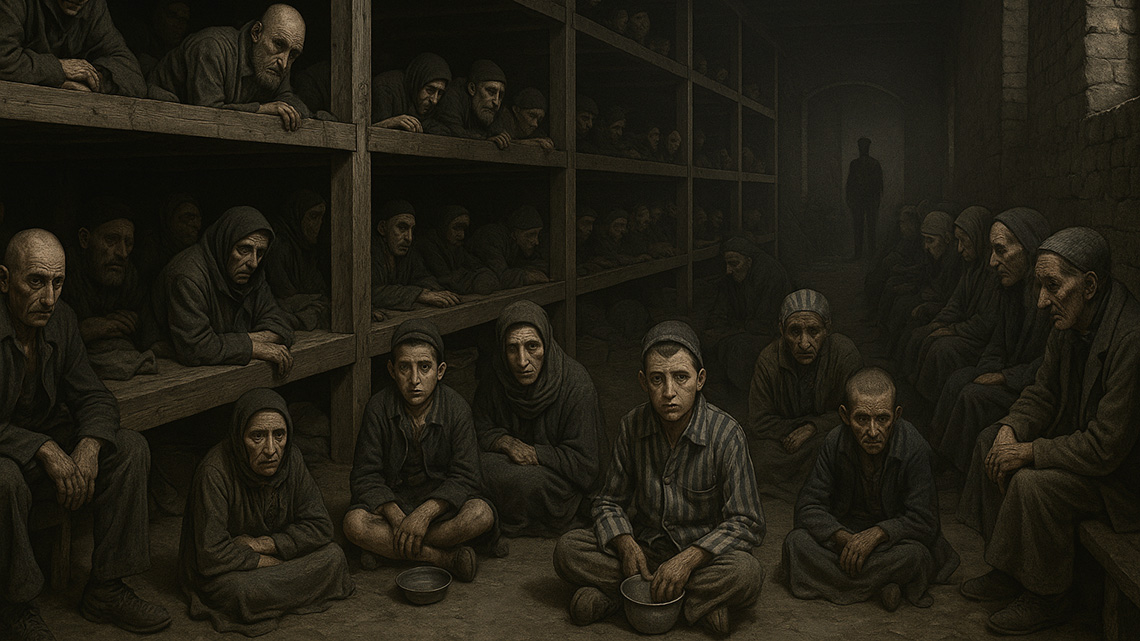
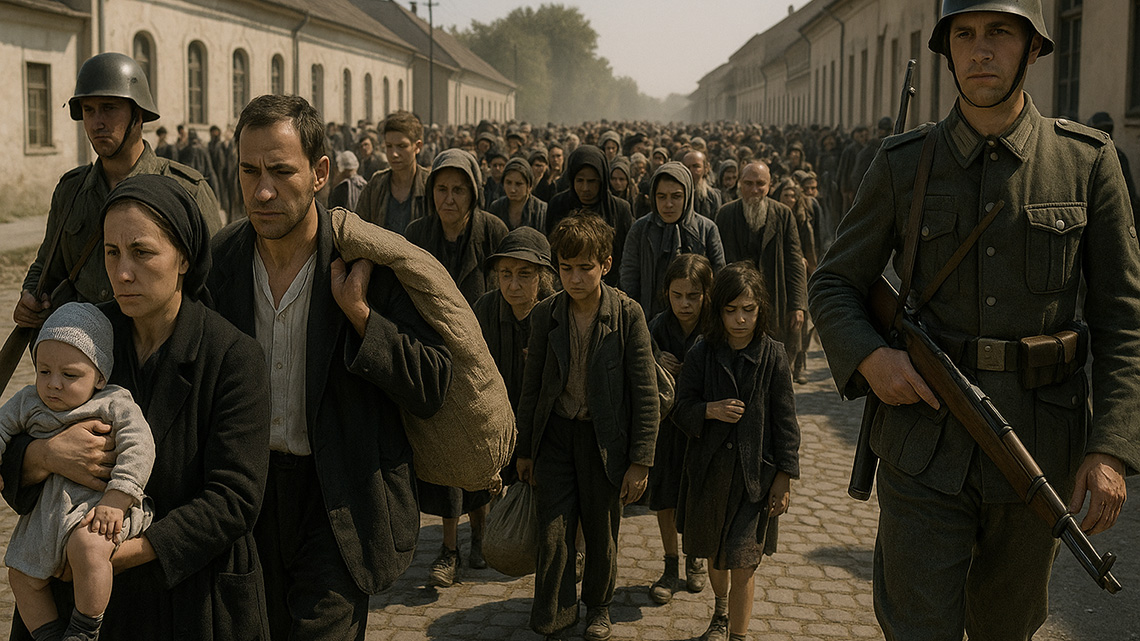
The only available testimony describing the living conditions in the Novi Bečej concentration camp comes from Tihomir Ungar from Novi Sad. At the time, he was a child imprisoned in the camp along with his entire family, who had been brought from Novi Kneževac to the temporary holding facility in Novi Bečej, where they awaited deportation.
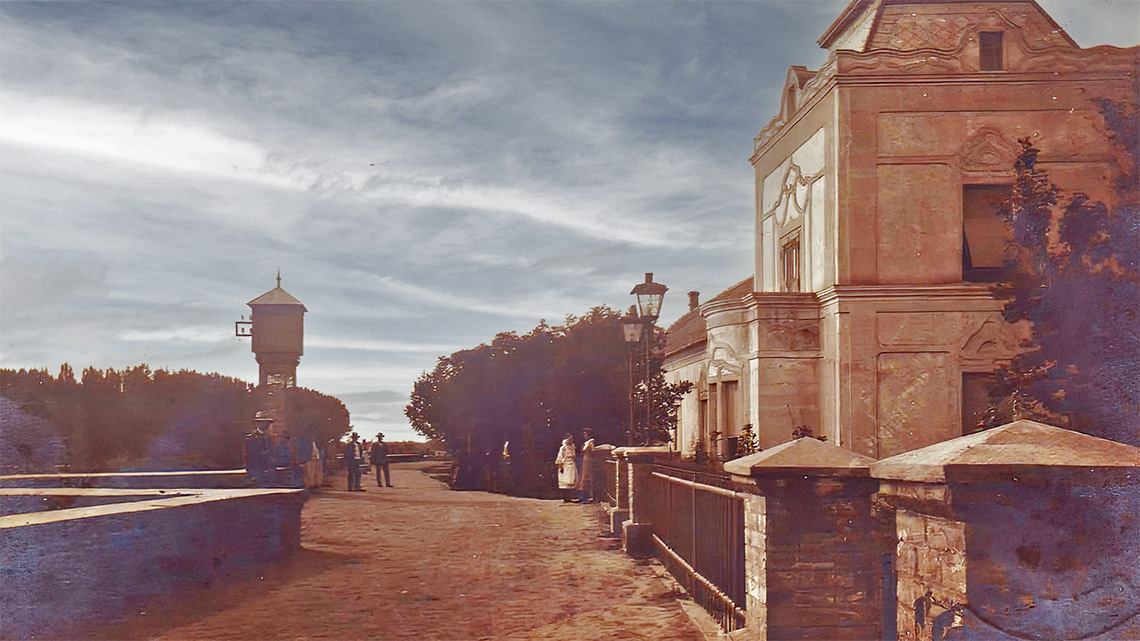
On the dike, from the river navigation agency, today’s Workers’ Home, to the ferry house at the corner of Svetozara Miletića Street, it was a promenade from spring to autumn. It was truly enjoyable to stroll along the dike, admiring the beauty of the Tisa and its forested banks.
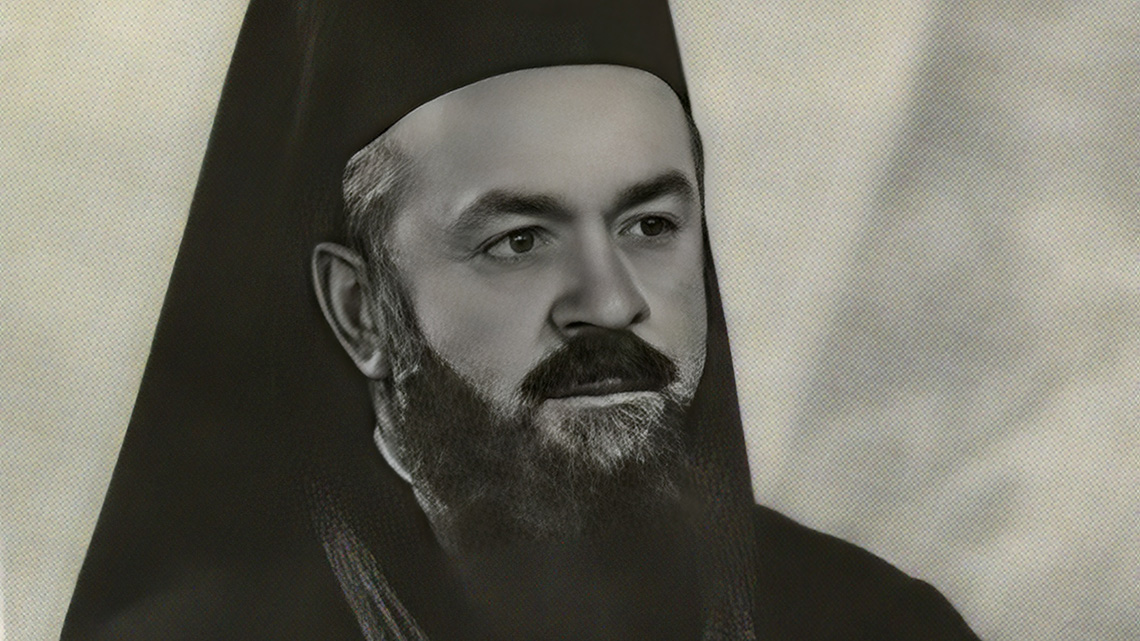
In his secular life, Nedeljko Iličić was born on November 6, 1906, in Novi Bečej to father Nedeljko and mother Sofija (née Tucakov). After completing primary school in his hometown, he attended high school in Veliki Bečkereki, and after graduating from the Theological Seminary in Sremski Karlovci, he obtained his degree from the Theological Faculty in Belgrade as a student of Bishop Georgije Letić of Timișoara.
Afforestation of disposal sites and land along the canals, as well as forest management, represents an integral part of the project for constructing the primary canal network. These activities have two main objectives:
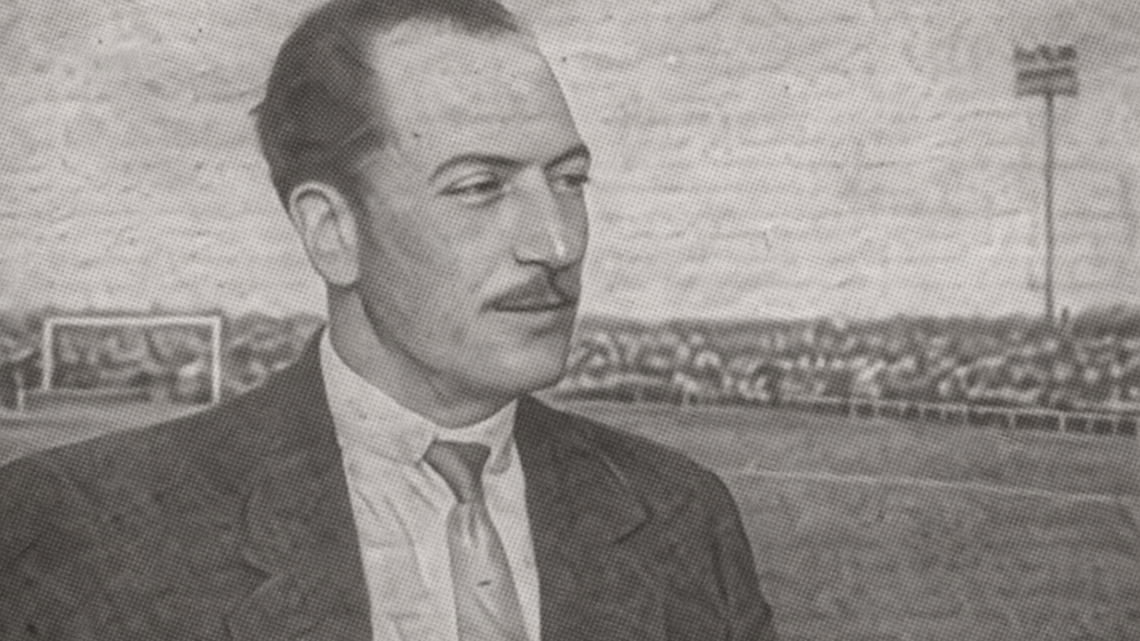
László Gomba appeared on the football scene of Novi Bečej at a very young age. Together with Ferik Kiš and József Čanji, he was among the group of young enthusiasts who initiated the founding of a new club in Novi Bečej in 1940, originally named Napredak. Shortly after its establishment, the club changed its name to S.K. Zanatlija, where Laci quickly secured a place in the first team and proved his footballing quality.
To successfully achieve the goals and objectives of preschool education, a qualified teaching staff was essential. Former educators with five years of secondary education graduated from the Pedagogical Academy for Educators while working between 1975 and 1979. They took pride in the fact that out of 21 educators, 19 graduated from the Academy.
May 29–30, 1997
In the last days of May 1997, the small town on the left bank of the Tisa River once again came alive with the spirit of the Days of Josif Marinković.
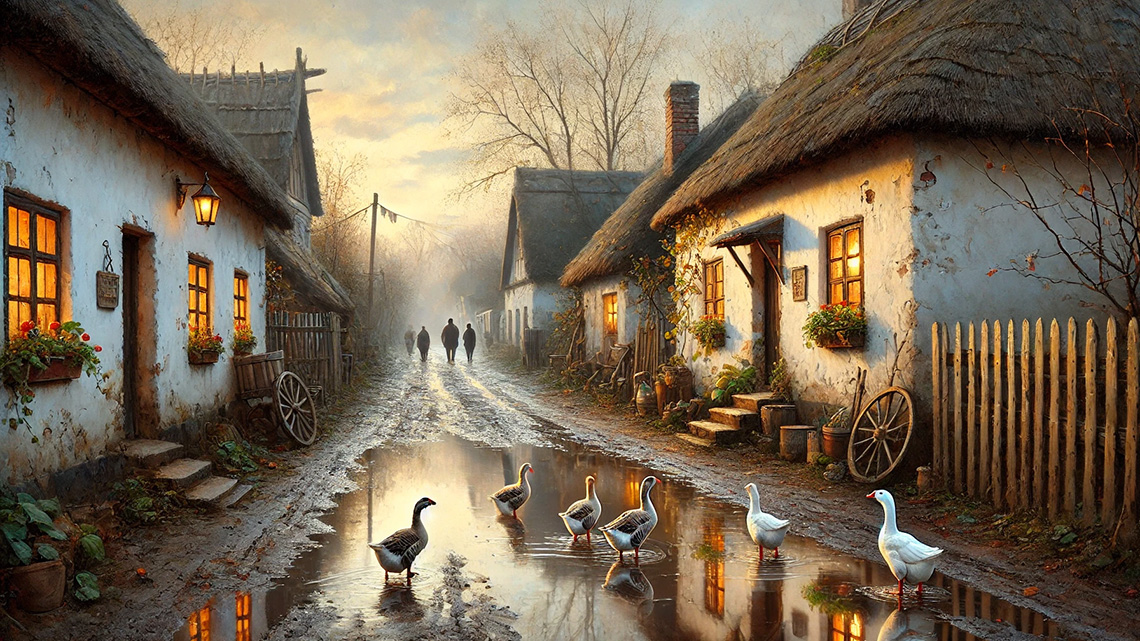
I remember certain streets, their dusty roads in the summer and worn-out, brick-paved sidewalks, or if I think about autumn, then muddy roads and ditches full of water, so in some parts, the entire street was covered with water. I can't imagine such a street without the noise of geese, bathing and chasing each other in the water, breaking the monotony of an otherwise very quiet street.
The Kikinda Canal stretches from its confluence with the Main Canal to its junction with the Zlatica River near Sajan, with a total length of 50.34 km. Its primary function is to collect the Zlatica’s internal waters during periods when the sluice gate at Padej is closed, as well as its own internal waters along the route, and discharge them into the Main Canal.
Poverty and harsh working conditions forced the rural poor and proletariat to organize and fight through strikes. Although there were strikes in previous years, those in 1897 were the most massive. The center of the struggle was in Elemir, and the most significant battle took place in Potisje, in the former District, where the strike gained the most momentum in Turski Bečej, Kuman, Melenac, and especially in the Torda municipality.
Stevan Davidović was born on October 6, 1949, in Novi Bečej. He completed his primary and secondary education in his hometown, where he also graduated from the local Grammar School. He went on to earn a degree from the Higher Pedagogical School in Zrenjanin, majoring in Serbo-Croatian language and the history of Yugoslav literatures.
Among the many tragic memories from the time of the Jewish deportations in Novi Bečej, one account stands out. Senji Maćaš recalled how Gabriela, the wife of merchant Adolf Berger, carrying her infant son Ladislav—born on January 19, 1941—managed to bribe a guard and escape through a prepared route into Bačka.
The Tisa River Dam near Novi Bečej is the largest facility of the Danube–Tisa–Danube Hydrosystem. Its primary function is to release water by gravity into the main canal network of Banat, enabling the irrigation of vast agricultural areas and supplying water to other users. In this way, the released water can be used for multiple purposes simultaneously.
Sara, not only as a teacher but also as a homemaker, was an exceptionally hardworking woman. I had the privilege of hearing this from my sister, who was one of her students in elementary school. Their home was always tidy, and the preserves Sara made were always top-quality. In this regard, she was a role model to many.
The social life in Novi Bečej and Vranjevo, fifty or more years ago, mainly took place in the Sokolana and taverns. Conferences, meetings, and gatherings of political or scientific nature were held there. In short, all entertainment and social activities happened indoors—either in the Sokolana or in taverns. The only exceptions were summer swimming in the Tisa River, football training, and matches in the Gradište grove.
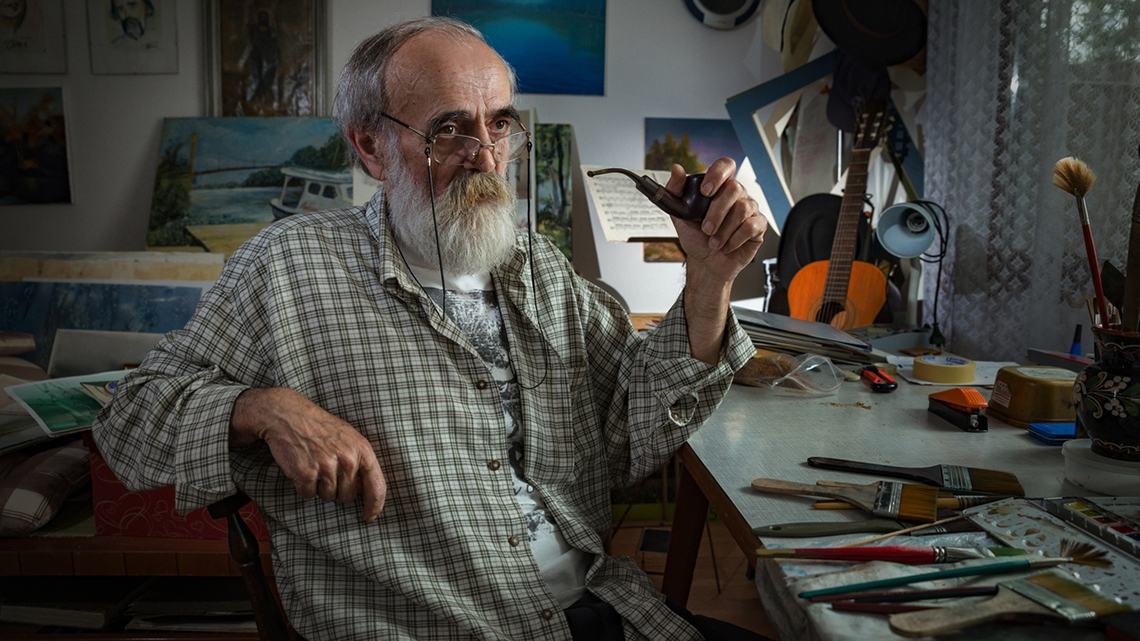
A master of watercolor and a guitar virtuoso, Branislav Stojančev—affectionately known to the people of Novi Bečej as Paša—was born in 1952. A lover of art, nature, and the Tisa River, he began his watercolor journey in 2001, dedicating himself to this delicate yet demanding painting technique. Since then, he has embraced its challenges with great success, finding in watercolor a source of peace, inspiration, and inner balance.
Reflecting on my journey aboard the "Miroslav" ship, I recalled two uncomfortable moments I experienced on the Tisza. They weren’t tragic, but they were thrilling enough to remain unforgettable to this day.
Until the outbreak of the Second World War, football in Novi Bečej was burdened by severe financial difficulties, even when it came to meeting the most basic needs. Above all, Novi Bečej lacked an industrial base from which any form of material support for football clubs could have been expected.
Miloje Čiplić was born on February 25, 1912, in Novi Bečej.
His parents, both teachers in Novi Bečej, provided conditions for their three sons—Miloje being the youngest—to prepare themselves, undisturbed in a quiet and orderly family haven, to ascend higher on the hierarchical ladder of bourgeois society than they themselves had.
Sava Baračkov was born in 1929 in Kumane, Banat, where he completed elementary school. He attended construction and architectural secondary schools in Novi Bečej, Petrovgrad, and Novi Sad. In 1955, he graduated from the Department of Scenography at the Academy of Applied Arts in Belgrade, under the mentorship of Professor Milenko Šerban.
The idea of the Novi Bečej swimmers was accepted, but due to issues with obtaining a permit, the swimming event wasn’t held as originally planned—on August 1st and 2nd—but instead on August 28th and 29th, 1943.
From the manuscript The Great Swimming Day by Branislav Kiselički, we highlight the part describing the welcome of the Belgrade athletes:
Dragiša Bunjevački, a painter from Novi Bečej and the founder of the group “Selo,” was born in 1925 in Pančevo.
He was an artist who lived to paint, but never lived from painting nor painted merely to survive.
We have no data on how the social life of Jews in Novi Bečej and Vranjevo was organized. However, there remains a general impression among those who remembered that time that the main strength that united them was their religious community, which followed the development of the community and sought to organize assistance whenever a family faced difficulties.
May 14–15, 1993
After months of preparation and searching for the right concept and content, the first Days of Josif Marinković – “Horizons on the Tisa” were held on May 14 and 15, 1993, at the Workers’ Hall “Jovan Veselinov Žarko” in Novi Bečej.
In those frequent walks, I would go, in my thoughts, to the Great Warehouse, pondering its antiquity (built in 1780) and all it had endured over time.
May 23–25, 1996
Invitational Composers’ Competition
After the highly successful first competition for solo singers, the devoted cultural workers from the town on the Tisa organized the 4th “Horizons on the Tisa”, held from May 23 to 25, 1996, as the first invitational composers’ competition for solo song.
- Bela Mičik – Master of the Citera and Tekerő from Novi Bečej
- How It All Began: Josif Marinković and the Birth of “Horizons on the Tisa” in Novi Bečej
- Tibor Nađ – Painter, Designer and Ceramic Artist from Novi Bečej
- The Tragic Fate of the Jews from Novi Bečej
- Falsifying Identity Cards: Secret Help to Partisans in the Fight Against the Occupiers