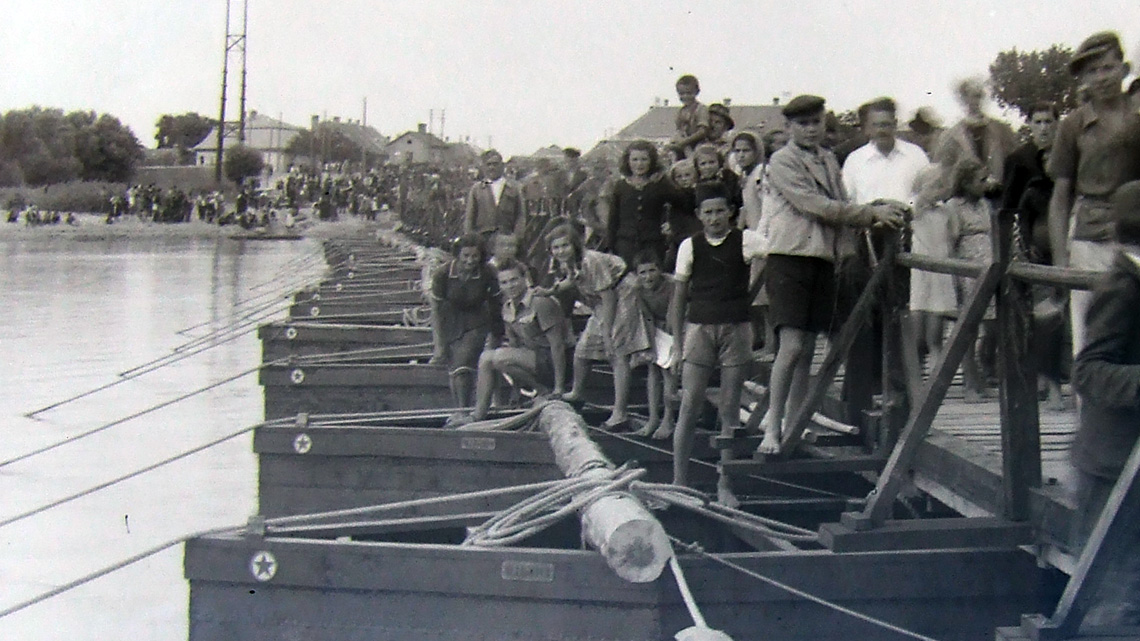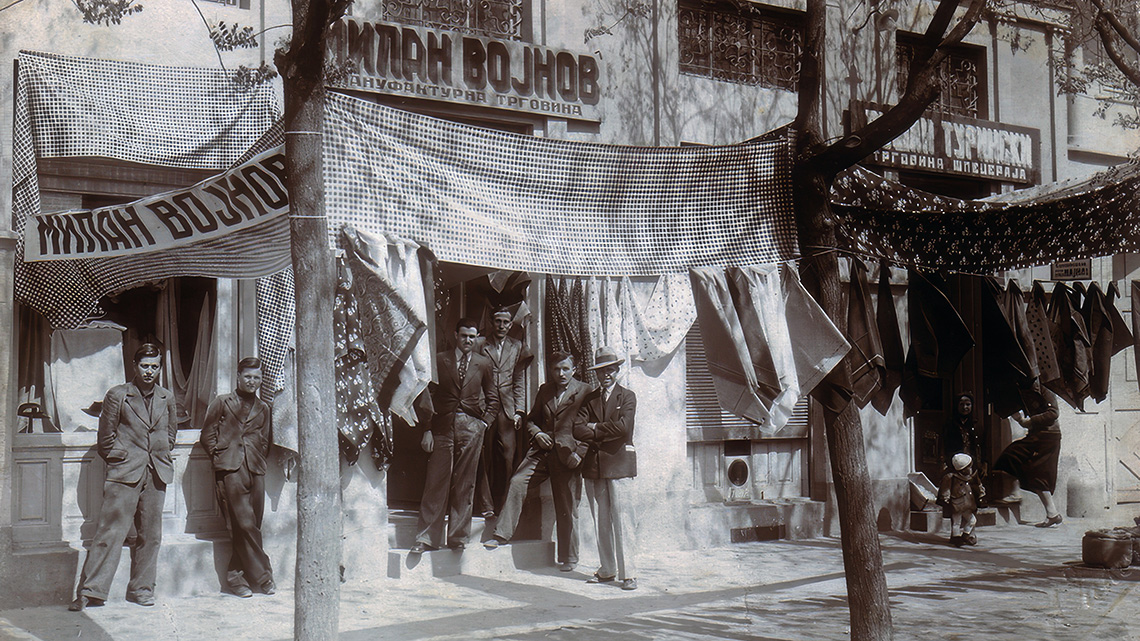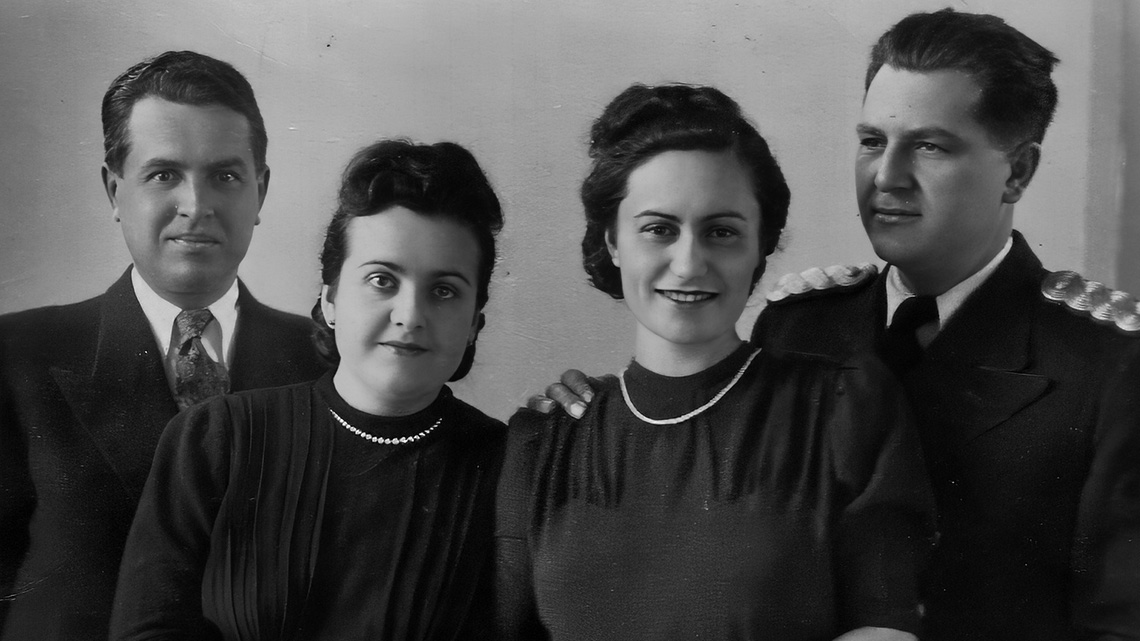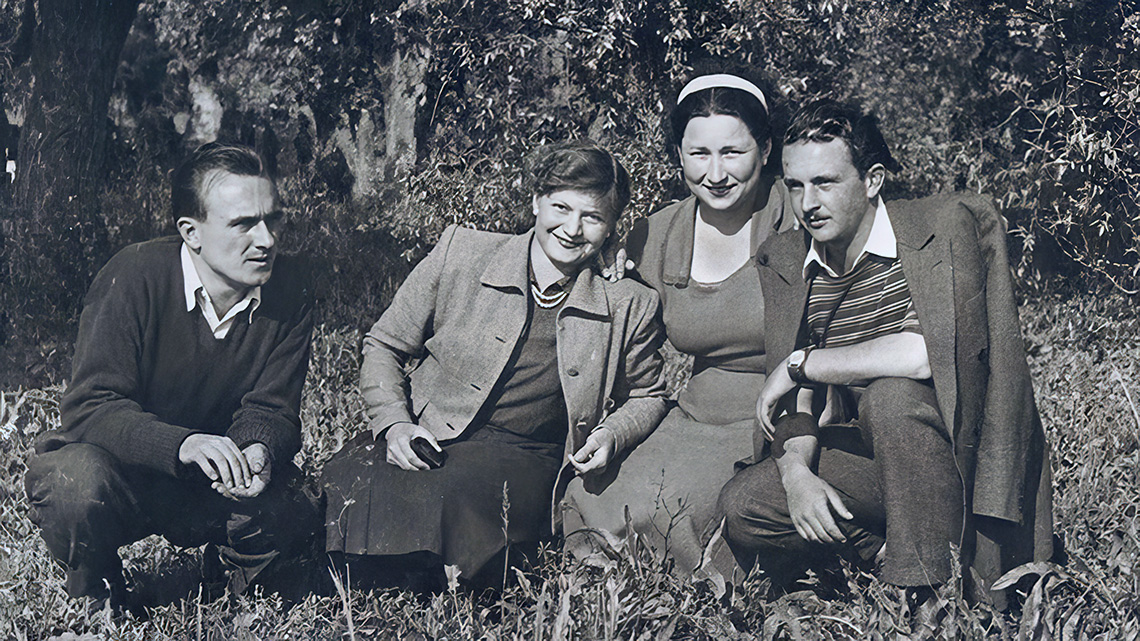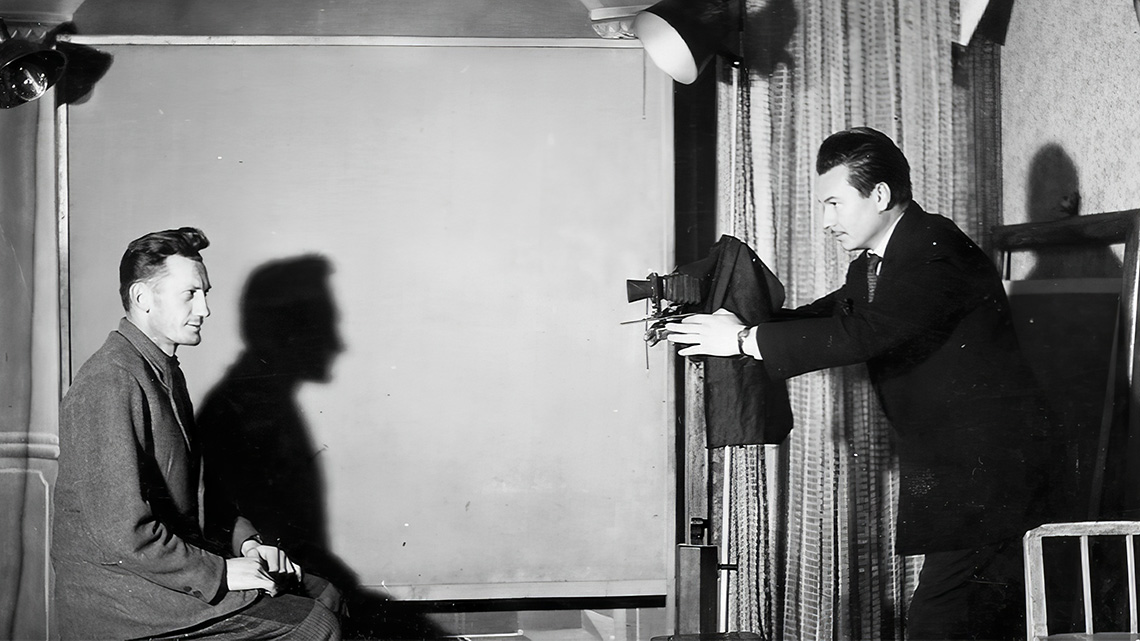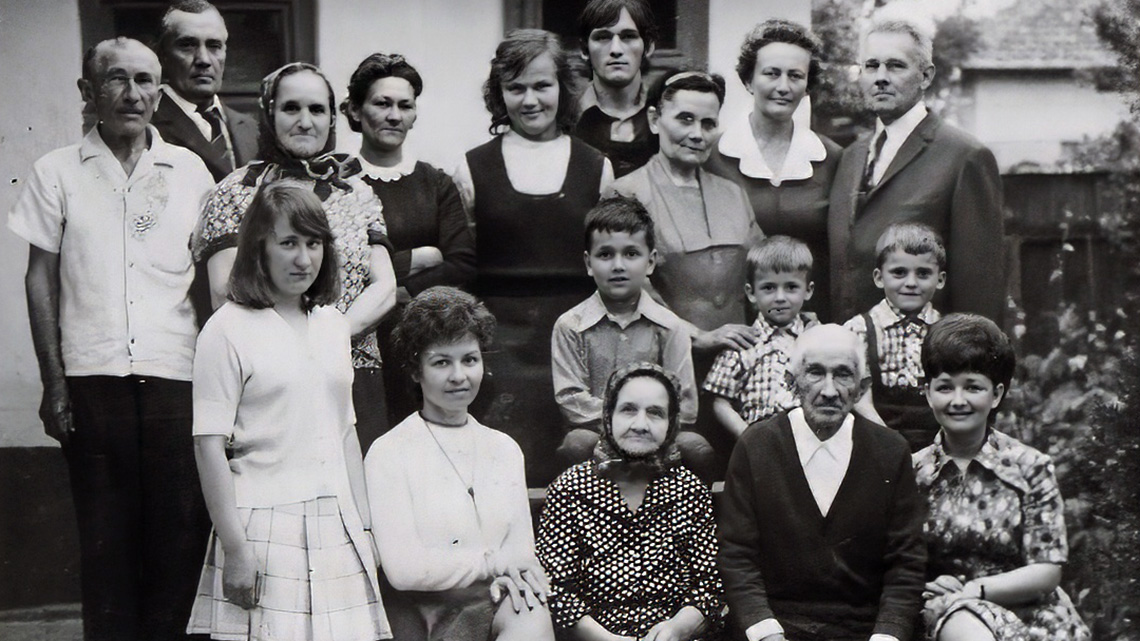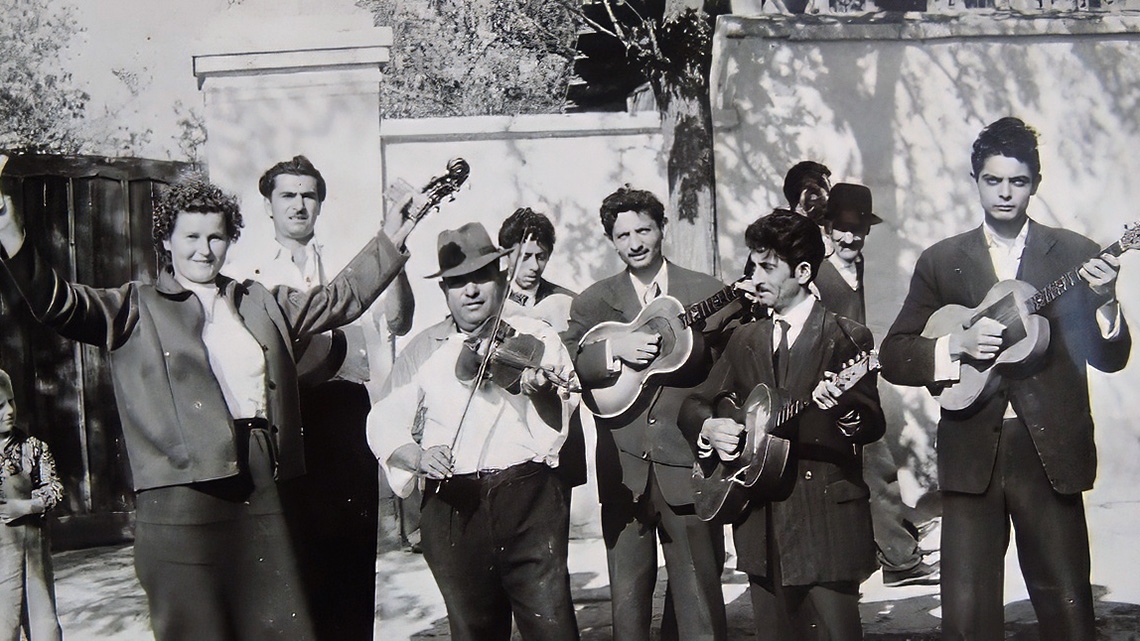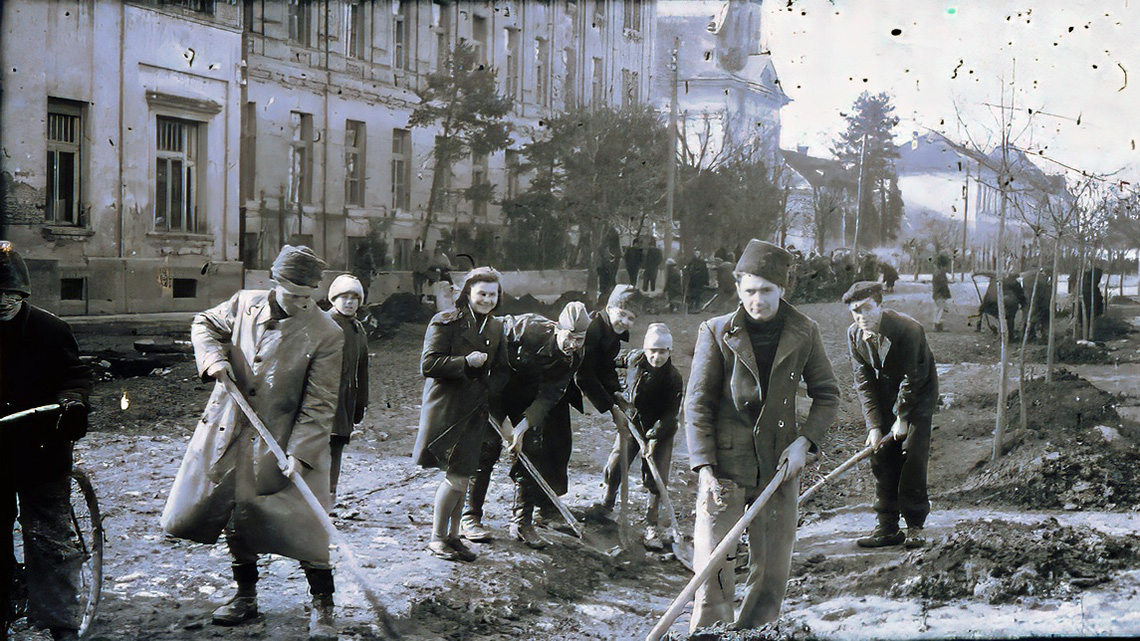

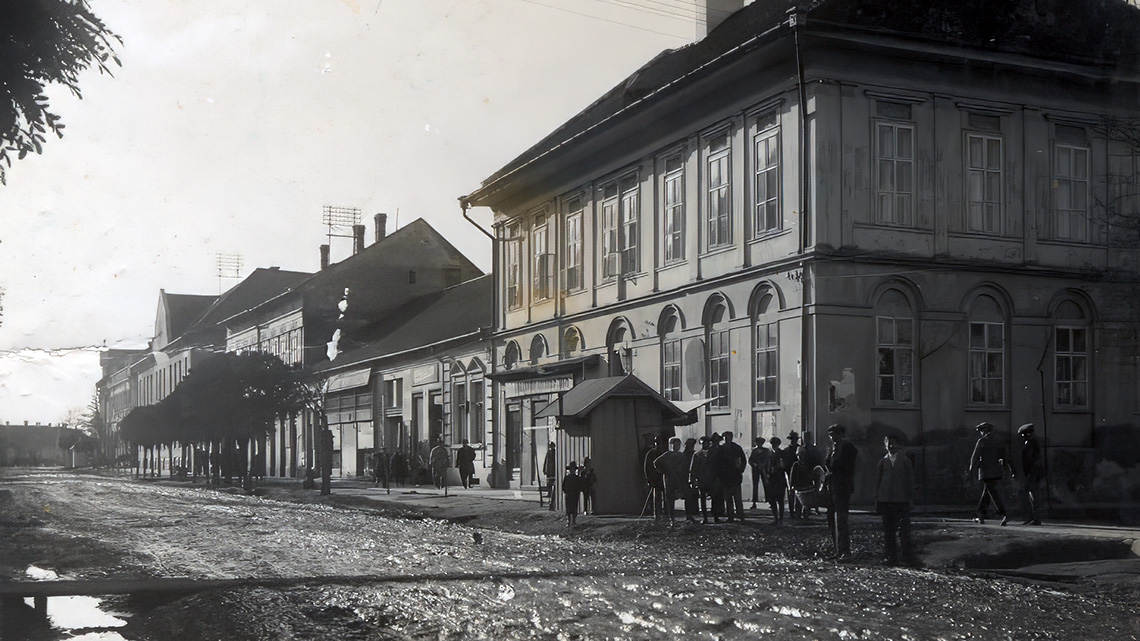
Delving into the past of one’s homeland and simultaneously being a collector of old postcards imposes the task of dedicating oneself, willingly or not, to old photographs and the photographers of that time. It would be inappropriate and irresponsible not only to omit mentioning the artistic photographers who vividly recorded events and personalities over the past 140 years, but also not to write their biographies. On those yellowed photo papers they left behind, they themselves are not documented, but their presence is felt in all the photographs.
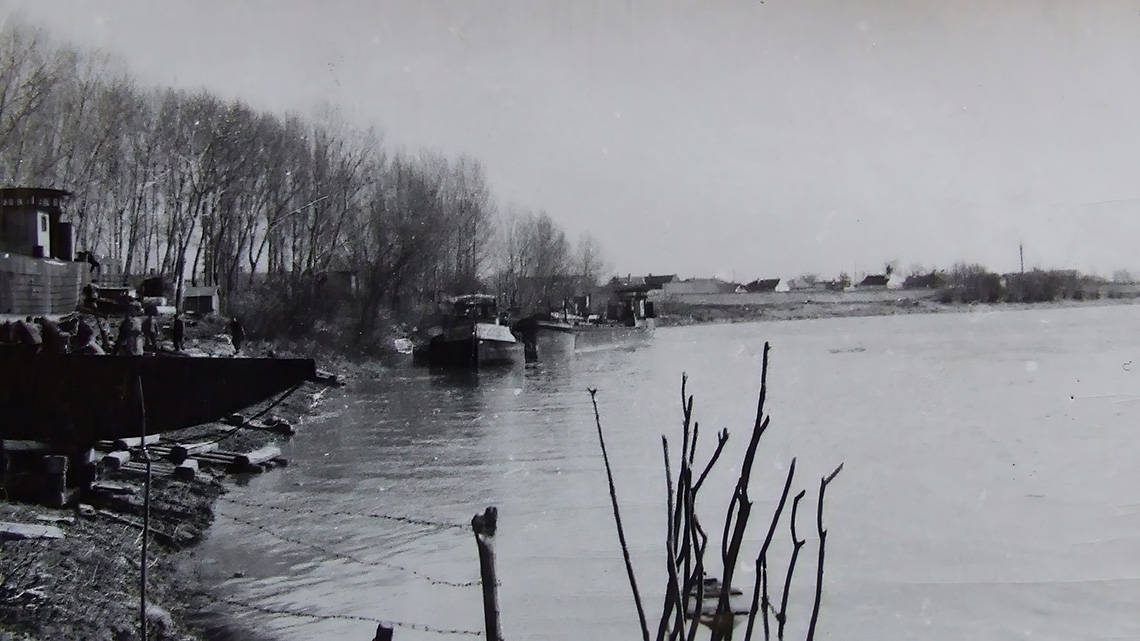
Photographers of Novi Bečej: A Historical Perspective Through the Lens" - This book delves into the captivating story of Novi Bečej's early photographers, showcasing their work and biographies while preserving the city's visual heritage over 140 years.
Share this page on social media
If we translate the word "photography" into Serbian, we get the word "svetlopis" (from Greek, where "photos" means "light" and "graphein" means "to write"). Writing with light, or capturing light on some medium, has been a human desire since ancient times. Through a series of inventions, people have succeeded in their efforts to "capture" light. We know that we cannot put light into a box or catch it because light is elusive. Or perhaps it's not? It seems that it isn't, because if it were, today there would be no photography, film, television, or many other modern media.
Since the mid-19th century, photography, as an important innovative branch of applied art (through Budapest and Vienna), slowly paved its way into Banat, where, in the county seat, in Veliki Bečkerek, István Oldal Sr. opened the first permanent painting studio in 1853. Since the first form of photography – the daguerreotype – was very expensive for the general public at that time and impractical in terms of reproduction and display, photography was only available to a select few.
"Photography as such falls into the category of applied arts, and photographers were officially considered artists rather than craftsmen until 1902, so they are not found in the lists of registered craftsmen until then."4 For these reasons, it is much more difficult to determine how many photographers were active before 1902 and who they were, and especially during which period they carried out their artistic mission.
Karolj Folkman (Voklmann Károly) was born in Turski (Novi) Bečej on November 4, 1847, to father Peter Folkman and mother Aloisia Hanek. Karolj Folkman was married to Josefa Fekete, who bore him two daughters and three sons. An interesting fact is that at the baptism of his daughter Šarolta in 1883, the godfather listed in the birth register was Đula Folkman (Volkman), a photographer from Bačka Topola. On a document dated December 14, 1918, alongside the signatures of Novi Bečej postal officials, is also the signature of Mikloš Folkman (Volkmann), son of Karolj Folkman (Volkmann).
Konstantin Vukov was born in Veliki Bečkerek (the former name for Zrenjanin) on September 20, 1875, to father Jovan Vukov, a cooper (pinter), and mother Ljubica, a certified teacher. After completing the fifth grade of elementary school, he was enrolled in gymnasium, which he left after the first year. He was accepted as an apprentice by the esteemed Bečkerek photographer Lajoš Orosi (7) on July 15, 1888, and became a journeyman on July 15, 1891. Afterward, he set out into the world to perfect his photographic craft.
Dušan Kiurski was born in Vranjevo on June 9, 1896. His father, Dimitrije, came from Melenci and started a family with Slavna Galetin, a local woman from Vranjevo. Unfortunately, information about Dušan Kiurski's education and training in the photographic craft has not yet come to light, which has greatly limited our ability to publish his work. One piece of information was found in the marriage register of Novi Bečej, when he married Zorka Čolić in 1920: in that document, the groom's occupation is listed as a photographer.
Information about the owner and photographer of the Photo 'Royal' studio has not been found to this day, so during our research, we mainly relied on the accounts of older local residents. Based on this, we learned that, according to some, the Photo 'Royal' studio was located in one of the rooms of the 'Royal' hotel, later the 'Jadran' hotel. According to others, the studio was in a very beautiful courtyard building next to the 'Royal' cinema hall, which burned down in the 1930s. However, we tend to believe that the 'Royal' studio was actually located on the ground floor of the impressive hotel building and had a view of the main street, which was typical for photography studios.
Arriving from Zrenjanin to Novi Bečej in the late 1930s, Jožef Kožik set up his studio in a space that once belonged to Konstantin Vukov’s studio (Maletić’s house or Craftsmen's Home). He worked at that address until 1948, when, after the house he lived in was sold, at 32 Jaša Tomić Street, he returned to his hometown of Zrenjanin. In the city by the Begej River, he opened a photo studio and continued practicing photography. During those years, he was a regular member of the examination commission for the professional exam for future photographers. Under Kožik’s supervision, many candidates acquired professional skills, including Geza Sakač, Olgica Pušić, and later, in 1957, Rozalija Čejtei14. In the late 1950s or early 1960s, Jožef Kožik moved to Australia, where he spent the rest of his life.
14 According to existing sources, Rozalija Čejtei is the only female photographer from Novi Bečej, but she never had a studio in her hometown.
Photographer Lajos Čanji was born in Novi Bečej. After his basic education, his parents apprenticed him to Konstantin Vukov, where he learned the photographic craft from 1932 to 1934. He worked briefly in Čurug before returning to his hometown during the occupation (1941-1944). In 1950, Konstantin Vukov took him on as an assistant, and Čanji continued to refine his photographic skills in Vukov's studio.
Miroslav Tornjanski was born in Bečej on June 19, 1921. After completing elementary school and three years of high school, he enrolled in a vocational school for photographers. He began his photography apprenticeship in 1939 with Steva Jovanović in Belgrade. He passed his journeyman exam in 1942 and worked as an assistant in Belgrade and Pančevo for a total of three years.
Geza Sakač was born in Novi Bečej on February 11, 1928. He attended both elementary and high school there. After completing his education, he apprenticed in photography under the well-known local photographer Jožef Kožik from 1944 to 1946. He passed his master’s exam in 1952 before a committee that included the prominent master photographer Konstantin Vukov. As a young photographer, after his apprenticeship, he worked part-time in the photography section of the People's Technique and in “Dekor” until the end of 1954.
Rozalija Čejtei was born in Novi Bečej on April 28, 1938, and is likely the only female photographer from Novi Bečej. She completed her primary and secondary education in her hometown. From an early age, she showed a penchant for drawing, which her teachers quickly noticed. Rozalija's parents were alerted to their child's artistic talent and were advised to continue her education at an art school for drawing in Novi Sad. However, after passing the entrance exam, her parents redirected her towards photography.
Vojislav Reznić was born in Novi Bečej on May 9, 1929, where he also received his education. He learned the craft of photography under Geza Sakač. After passing the craftsman’s exam, he worked in Melenci with photographer Pavle Homjakov. With three years of experience, in 1963 he returned to Novi Bečej and opened his own photography shop in the courtyard of the "Jadran" Hotel.
Mikloš Hever was born in Subotica on November 28, 1952. After finishing elementary school, he enrolled in high school in Kanjiža, specializing in graphics with a focus on photography. In 1973, he moved to Novi Bečej and opened his own photography studio at 42 Maršala Tita Street, across from the Lutheran church. After some time, he changed locations but remained on the same street, now at 58. That house with the studio belonged to the Komaromi family but was demolished at the end of the 20th century.
Georgije Reznić, the son of photographer Vojislav Reznić, mastered the techniques of photography and picture development, and during the period from 1985 to 1988, he opened a photography studio in his father's atelier "Foto Šilja." Despite inheriting the lab with equipment and cameras, he was unable to sustain the business for more than just under three years.
Imre Sakač was born in Novi Bečej on December 15, 1951. He completed elementary school in Novi Bečej. He received his first camera when he was around ten years old and already started photographing his peers during various school activities. He developed these photos partly in the school photography section's lab, but mostly at home. He was involved in the secrets of the photographic craft at an early age, helping his parents in the studio and the darkroom. He began high school in Subotica but finished in Senta, after which he enrolled in a higher photographic school for color photography in France.
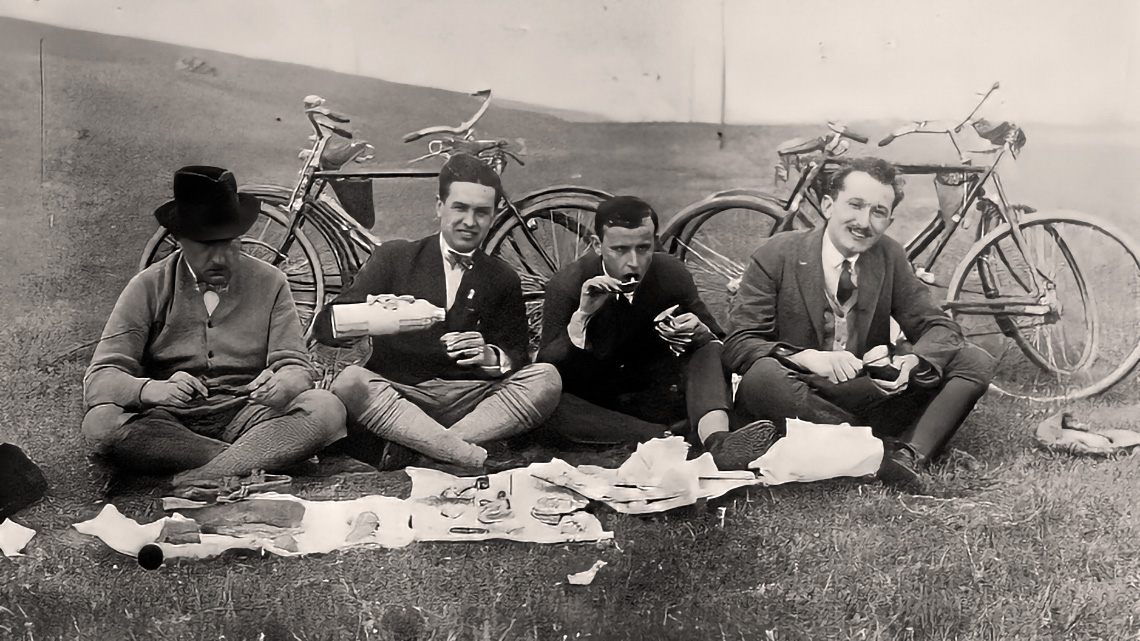
Based on several dozen photographs from the early 20th century, in the format of then-popular postcards, 9x14 cm, on thin paper and without any signature of the photographer, we reasonably assume that these are works of pioneers of photo amateurs from Novi Bečej. They belonged to the wealthier layer of the bourgeoisie and were able to allocate significant funds for purchasing portable cameras, and of course, the photographs were developed by local professional photographers. Some of these photographs were printed, addressed, and used instead of postcards.
Immediately after World War II, a Photography Section was formed in Novi Bečej under the People's Technique and the Institute for Agitation and Propaganda. The section consisted of young people who were already directed towards the photographic profession or wanted to study the craft. Among the members were the aforementioned Geza Sakač and Miroslav Tornjanski. Olgica Dragić, born Pušić (1929–2016), a young enthusiast, also made her first contact with photography and photo development there, aspiring to master the skills of the craft.
In the mid-1950s, alongside various extracurricular activities, a photography section was established at OŠ “Miloje Čiplić.” In the early days, it had only a few cameras, including the Vilia, Werra 1, and Beirette. Later on, additional cameras such as Smena 8M, Zenit 11, Praktica PL Nova I, Altix, and two flashes were acquired. After purchasing an enlarger of the brand Krokus and chemicals for the laboratory, the section completed its cycle of photo production. The photography section was led over three to four decades by teachers: Alajoš Šatai, Vukomir Stojić, Bane Pecarski, and Silard Balint. During that time, exhibitions of competitive nature were organized for the photography sections of schools from the Novi Bečej municipality.