



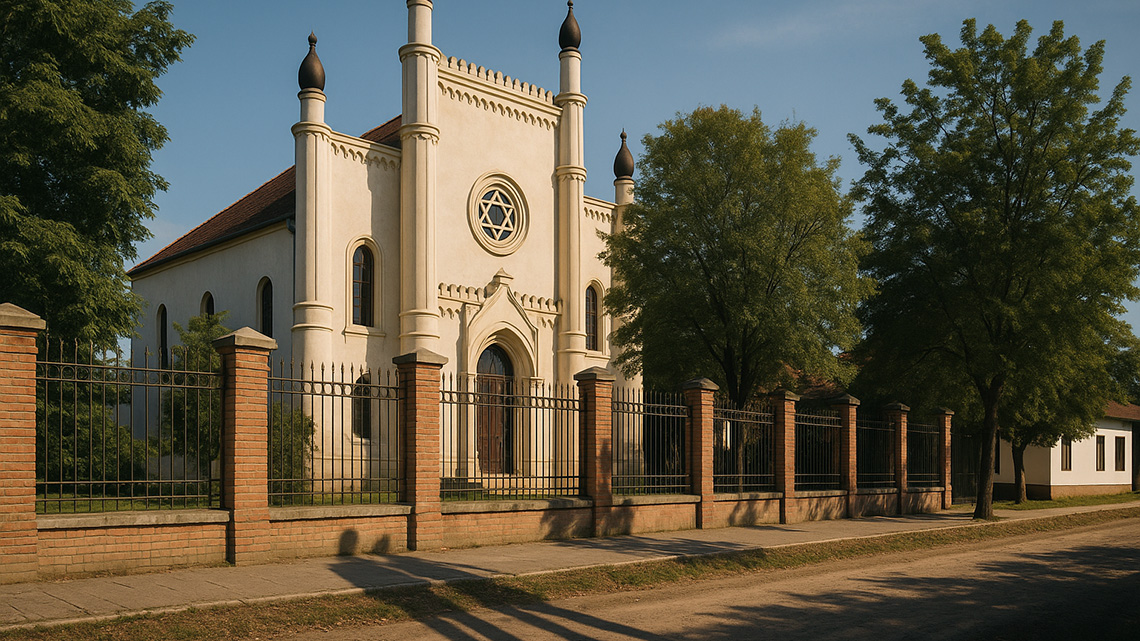
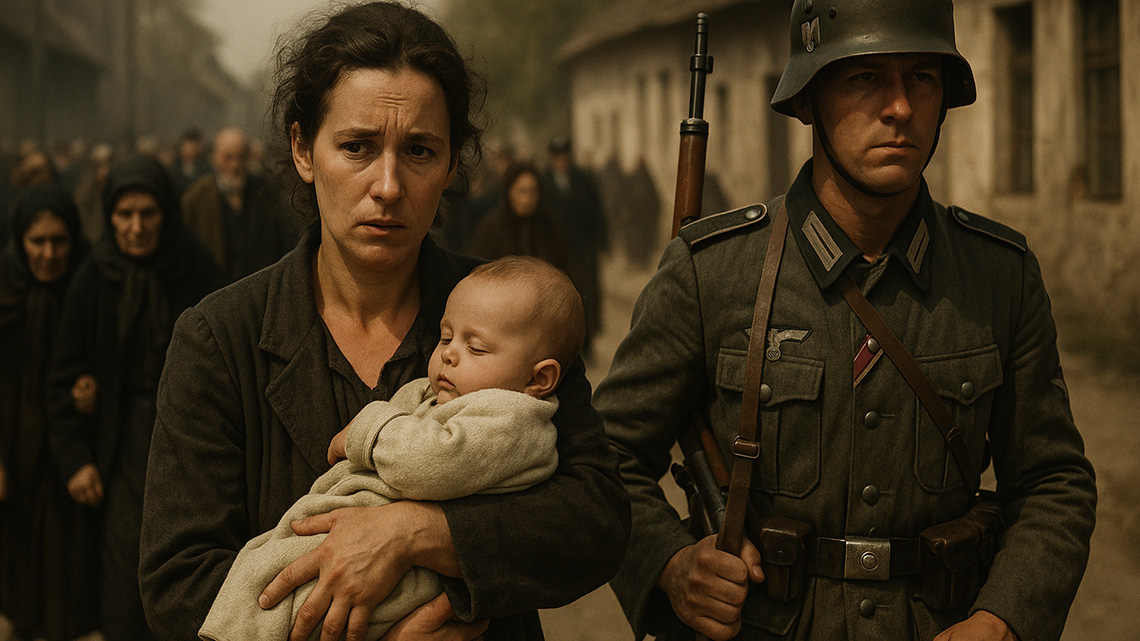
Fifty years ago, Novi Bečej was the site of one of the terrible crimes of World War II. After five months of imprisonment, the Jewish community, which had existed in our town for more than one hundred and fifty years, disappeared in a single day and forever. Generations after the war could neither learn about nor experience the presence of these people, who were extremely important for the economic and cultural development of our community.
I feel a sense of duty and obligation, first to my Jewish friends, and then to their fellow countrymen, to document everything I have been able to discover at this moment. The time is now!
I have compiled this small monograph based on various data that I gathered and processed over a period of six years. The sources for personal information were:
- Official school registers from the primary schools of Novi Bečej and Vranjevo from 1888 to 1941, as well as data from the records of the Civil School in Novi Bečej from 1908 to 1920;
- Birth, marriage, and death registries of the municipalities of Novi Bečej and Vranjevo from 1895 to 1941;
- Registers of craft businesses as well as the register of craft assistants and apprentices from 1932 to 1941 of the Novi Bečej district craftsmen's association;
- The list of commercial businesses from the Register of the Chamber of Commerce and Industry in Veliki Bečkerek, published in Milutin Čolić's article "The Role of Jews in the Development of the Economy of Banat" – ZBORNIK IV of the Jewish Museum in Belgrade;
- For the names of those executed, I used data from the memorial "SENĆAN VICTIMS 1941-45" and the names of survivors from war captivity from the memorial "FROM SLAVERY TO FREEDOM" published in 1981;
- Useful information came from authors, whose list is at the end of the main text of the book, and data about the camps in Belgrade were found in a series by Jaša Almulija, published in the POLITIKA newspaper from April to May 1989.
Lazar Mečkić's assistance was invaluable; he provided part of the literature on genocide, and together with writer Bogdan Čiplić, he compiled the first list of Jewish families from Novi Bečej from memory. His personal recollections and efforts to gather the memories of others directly contributed to the completeness of this study, as much as possible after so many years.
Significant and authentic contributions to the quality of this work came from the letters of Dr. Viktor Jordanić (formerly Šlezinger), a lawyer from Zagreb, one of the few surviving members of the Novi Bečej Jewish community. The testimonies of Mrs. Zlata Raičević, a dramatic artist from Podgorica, who was imprisoned in the Novi Bečej synagogue, and of Tihomir and Olga Ungar from Novi Sad, who were actually survivors from the Novi Bečej collection camp, were also invaluable.
Particularly useful supplementary information came from the letters of Rabbi Dr. Zvi Asaria-Helfgott from Savzon (Israel), originally from Beodra, who knew the Jewish community of Novi Bečej well. Dr. Konstantin Vukov, a university professor from Budapest, who was born and spent his youth in Novi Bečej, and associated with many Jews from Novi Bečej, also provided significant help.
My fellow citizens, such as Nadj Šandor, Čeda Tašin, Budai Laslo, Kiselički Mihajlo, Mečkić Svetolik, Sekereš Ištvan, Kovačev Bogdan ("Bode - Baje"), Stošić Milena, Petraškov Branko, Drapoš Rozalija, and Velisavljev Mirjana, contributed their recollections and statements to my research.
I was especially grateful for the description of the rescue of the only surviving family, who had left Novi Bečej in time, which was sent to me by Čurčija Julija (née Šlezinger) from Belgrade. Similar data were shared by Mrs. Niderman Ružica (née Naj) from Subotica, the only surviving member of the Bernat Naj family, who perished in the pogrom.
Based on all these sources, I have compiled a text that attempts to explain the creation, development, and destruction of the Novi Bečej Jewish community. If I have succeeded, I have honored the memory of my friends Bergl Herman and Šlezinger Đurike, who, with their brave calls, became upright targets for Nazi rifle barrels in the twilight and night of Europe.
Glory to the brave who fell - peace to their ashes!
This text was turned into a book – an indestructible memorial – thanks to the contributions of:
- Ing. Predrag Dragić from Novi Bečej for his dedication and professional work;
- Rabbi Dr. ZVI ASARIA (Helfgott) from Savzon, Israel, Schaffer Gabriel from Toronto, Canada for their significant financial contributions.
In Novi Bečej, September 1991.

Comments