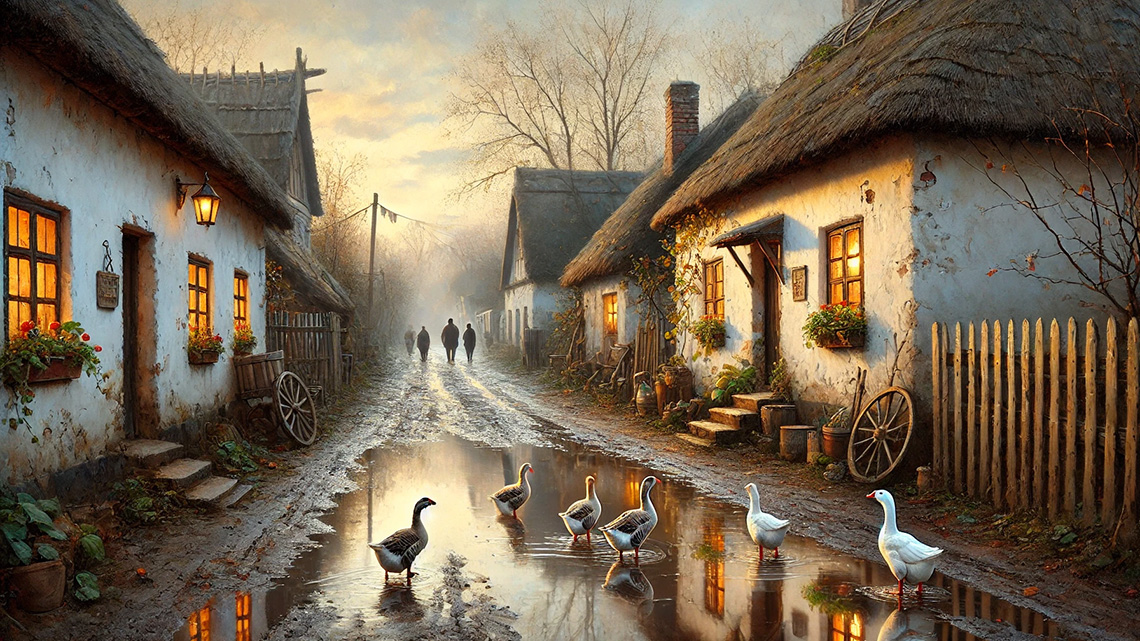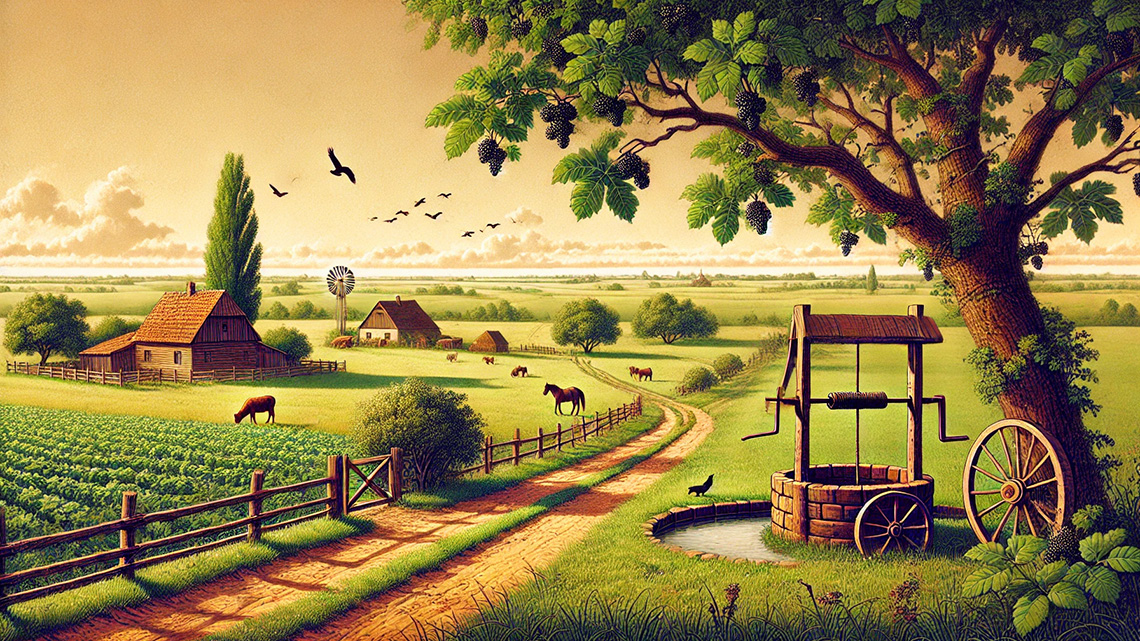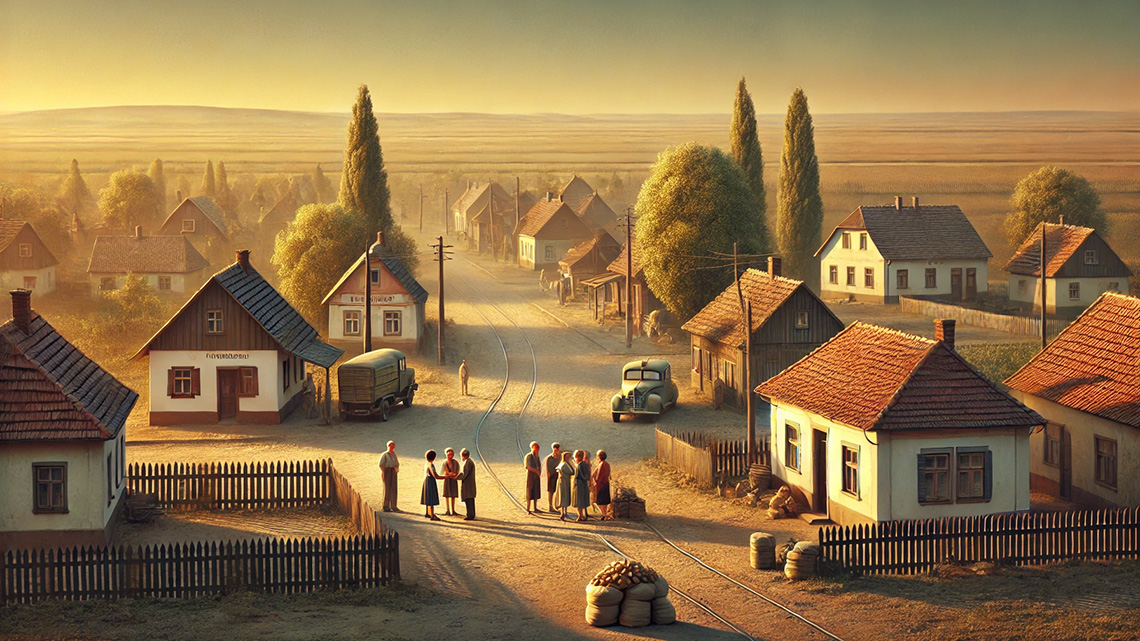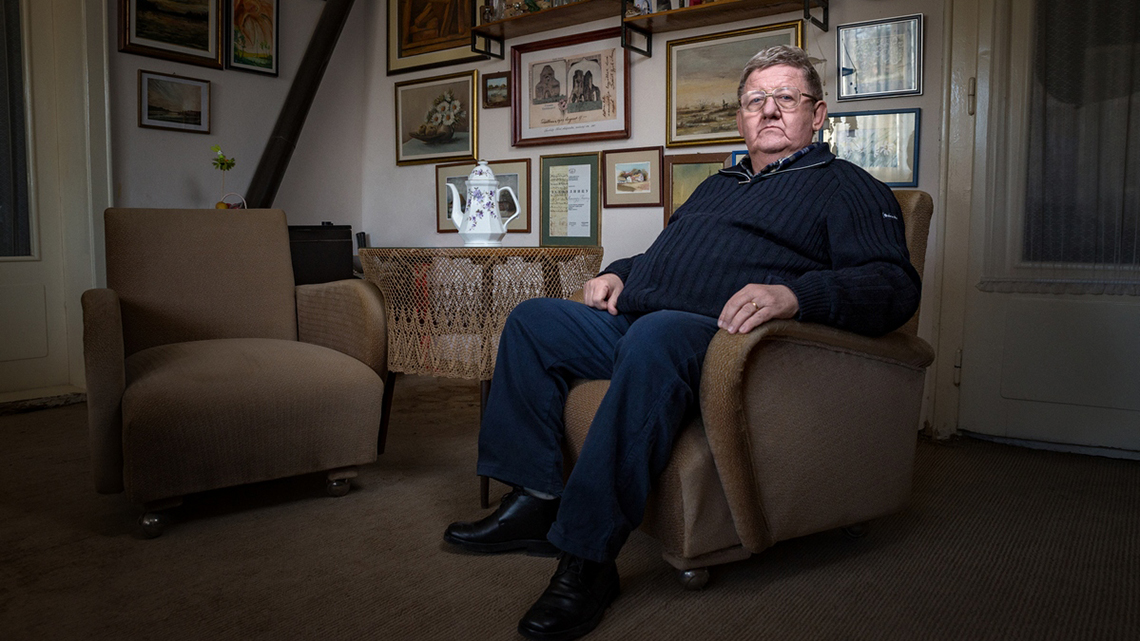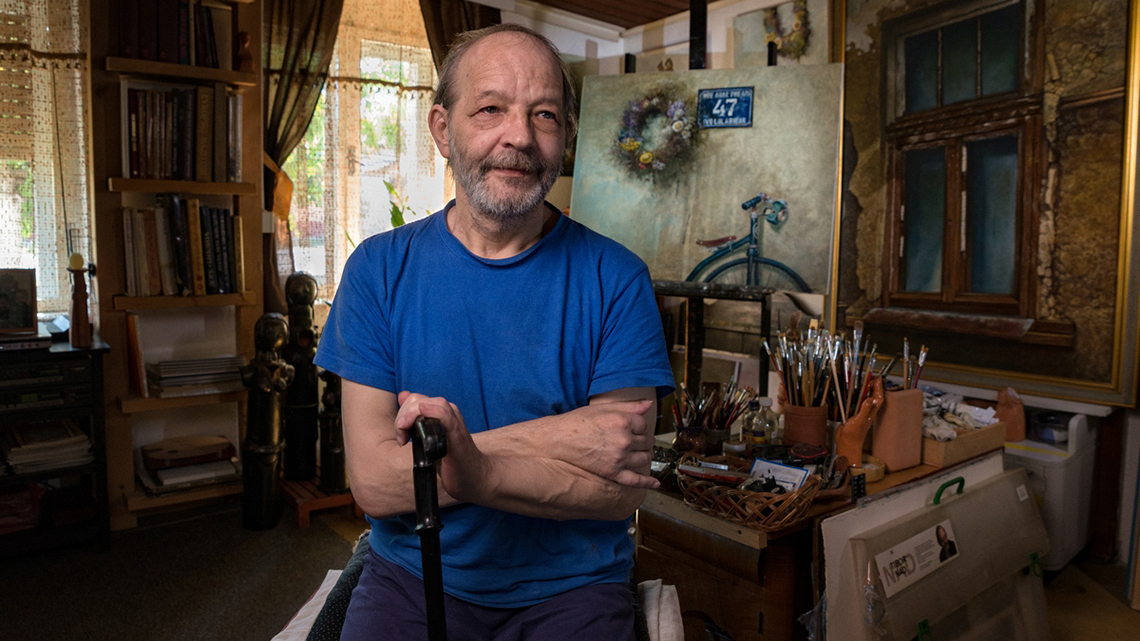

The renowned artist and painter Tibor Nađ was born in Novi Bečej on March 23, 1952. He completed his primary education in his hometown and later graduated from the Bogdan Šuput School of Design in Novi Sad, majoring in Interior and Furniture Design.
Drinking in front of stores in Serbia is not just a custom – it’s an institution! It dates back to the first store and the first bottle of rakija – essentially, since the dawn of time. Even the old craftsmen in the Ottoman period would take a “merak break,” drinking in front of shops while debating if it would rain.
I do not consider myself an expert qualified to critically evaluate the literary work of Bogdan Čiplić. However, out of respect for him and from the memories of our friendship during the last ten years of his life, I will attempt to present—in the broadest terms—what I observed of his literary output.
In the final years before the outbreak of the Second World War, a need emerged in Novi Bečej for the establishment of a new football club that would bring together working-class and artisan youth. At that time, Football Club Zvezda already had a stable squad and was, to some extent, closed to the admission of new players from these social groups. As a result, in 1940, a group of young men—mostly of Hungarian origin—founded Sports Club Napredak.
The most difficult year for Jedinstvo was 1933. After a generational change at the end of 1932, the club faced a weakened playing squad, while the pitch itself remained flooded until mid-June. Training sessions that schoolteacher Sava Mojić had begun regularly in the autumn of 1932 and resumed in March 1933 were interrupted as early as mid-April due to the flooded ground.
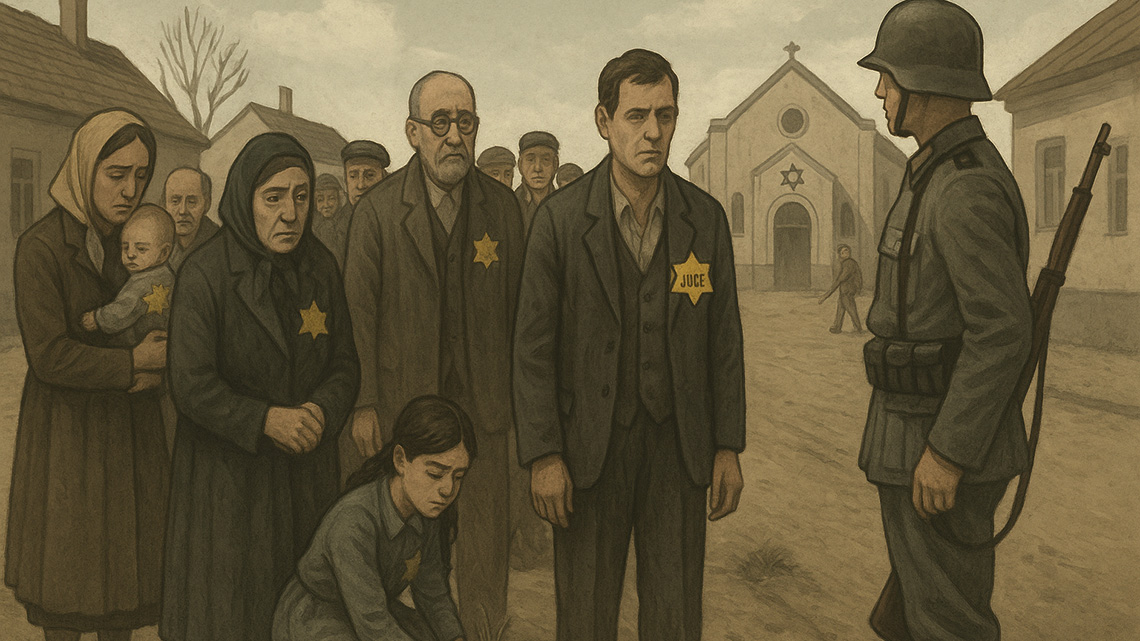
One account states that, during a brief period of partial freedom, some wealthier Jews from Novi Bečej managed to escape by bribing German soldiers—often drivers—and fleeing beyond the borders of Serbia. There is also a theory, based on unconfirmed information, that Verona, the daughter of Danijel Cigler, a timber merchant from Novi Bečej, managed to reach Romania thanks to her relationship with a German officer, and later emigrated to Israel after the war. However, this information was never officially confirmed.
In the harsh conditions of the economic crisis — especially in a year when it reached its peak — the football enthusiasts of Novi Bečej, or perhaps even better described as fanatics, organized a true football spectacle in 1932. That year, they managed to bring the multiple national champion, the Belgrade Sports Club (BSK), to Novi Bečej.
Sava Baračkov was born in 1929 in Kumane, Banat, where he completed elementary school. He attended construction and architectural secondary schools in Novi Bečej, Petrovgrad, and Novi Sad. In 1955, he graduated from the Department of Scenography at the Academy of Applied Arts in Belgrade, under the mentorship of Professor Milenko Šerban.
I begin to feel my homeland even on the road to Novi Bečej, right after leaving Kumane. On that road from Kumane to Novi Bečej—whether by train or bus—I start recalling everything that once existed there or what ties me to that path, from the time when my love for my homeland was most deeply growing.
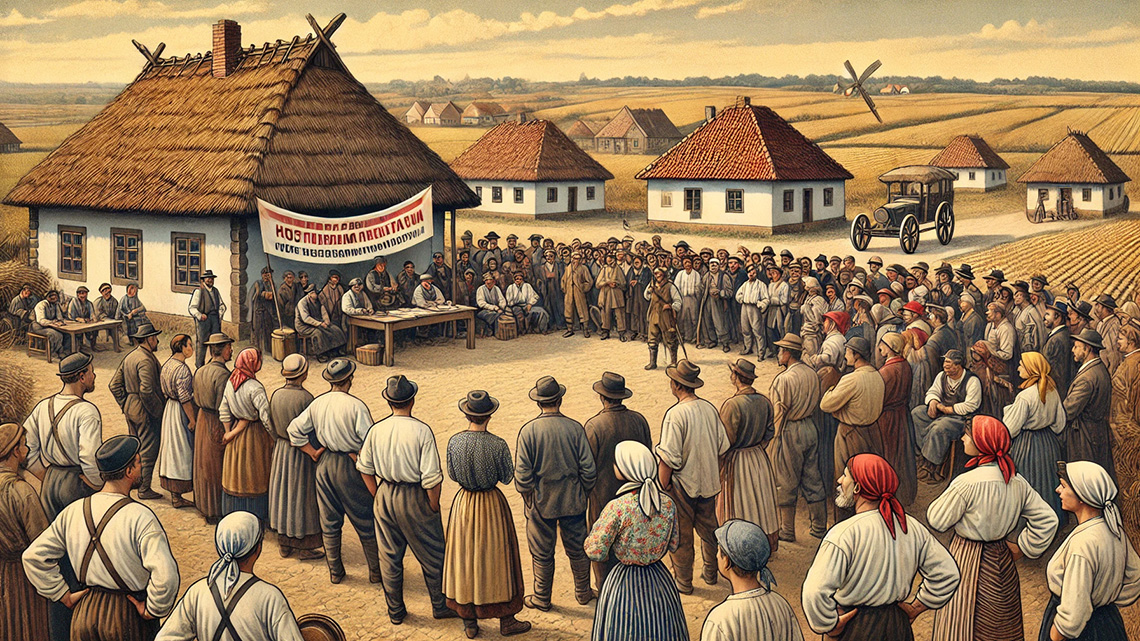
Poverty and harsh working conditions forced the rural poor and proletariat to organize and fight through strikes. Although there were strikes in previous years, those in 1897 were the most massive. The center of the struggle was in Elemir, and the most significant battle took place in Potisje, in the former District, where the strike gained the most momentum in Turski Bečej, Kuman, Melenac, and especially in the Torda municipality.
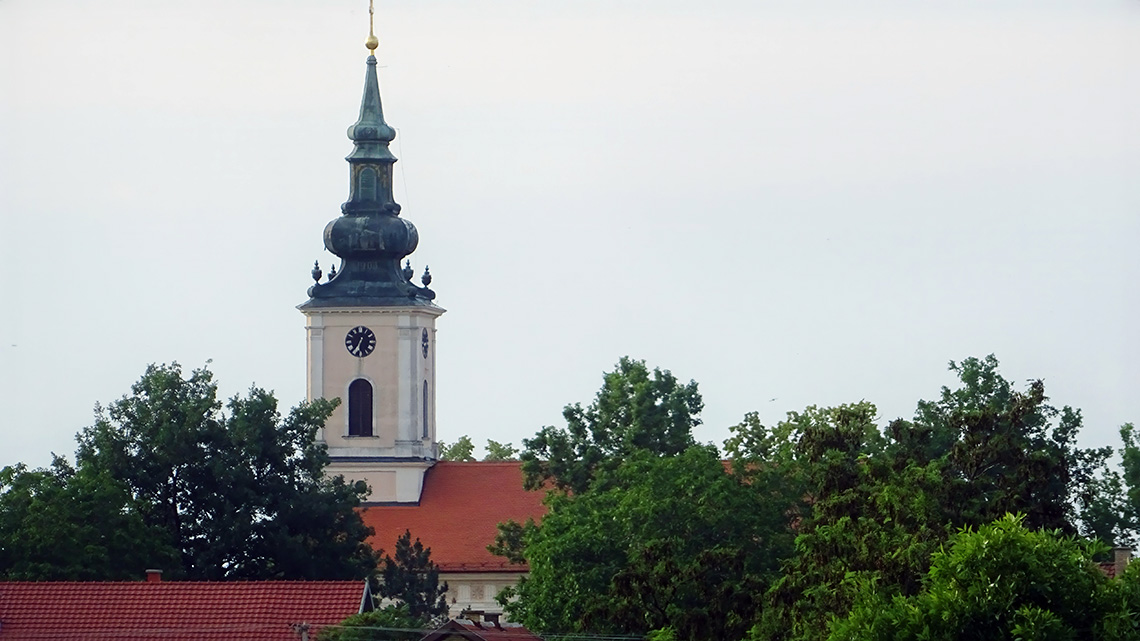
Since the great storm of 1931 toppled the slender tower of the Orthodox Church in Novi Bečej, only a few photographs and postcards remain as documents of that never-forgotten, much-talked-about ornament of our church. When a new tower with a wider structure and a considerably shorter height was erected later that same year, the citizens, especially the faithful, did not look upon it with much affection.
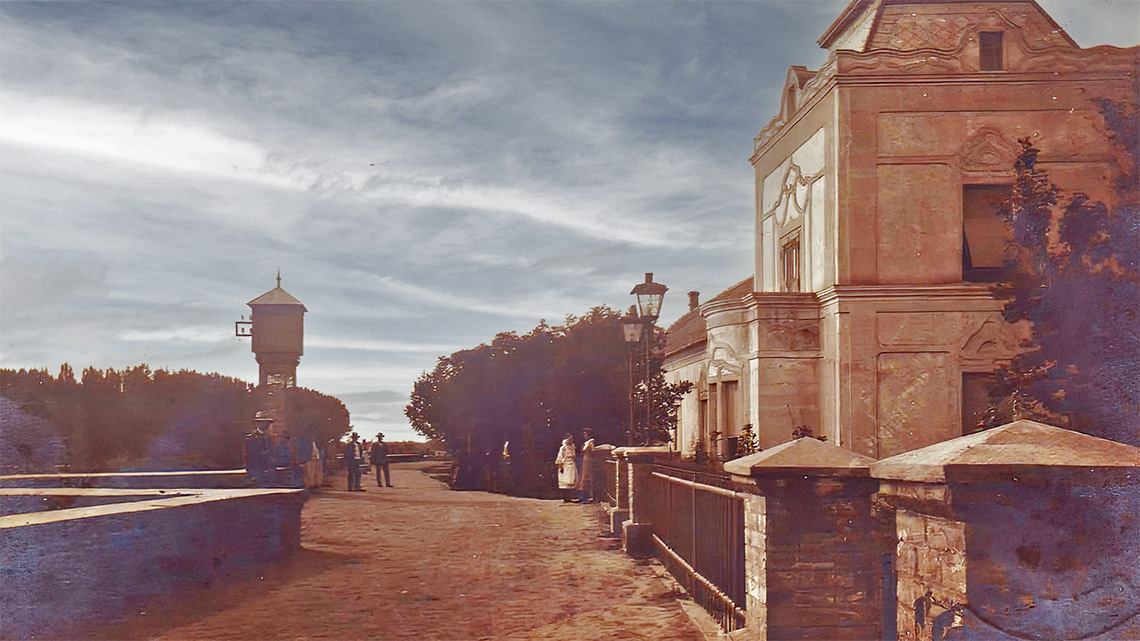
The two-story building of the former Tursko-Bečejska Savings Bank is located at 3 Marshal Tito Street, extending from the Schlesinger Palace, at the corner with Gimnazijska Street. According to documentation from the Institute for the Protection of Cultural Monuments in Zrenjanin, written by art historian Vesna Majstorović, the following details about the building are known:
Dr Ljubomir Pavlović was born in Novi Bečej on June 18, 1868, into the family of Nikita Pavlović, a gingerbread maker, and his wife Marica. He received his elementary education in his hometown and completed his secondary education in Sremski Karlovci and Hódmezővásárhely. He studied medicine in Vienna and Budapest, graduating in 1892.
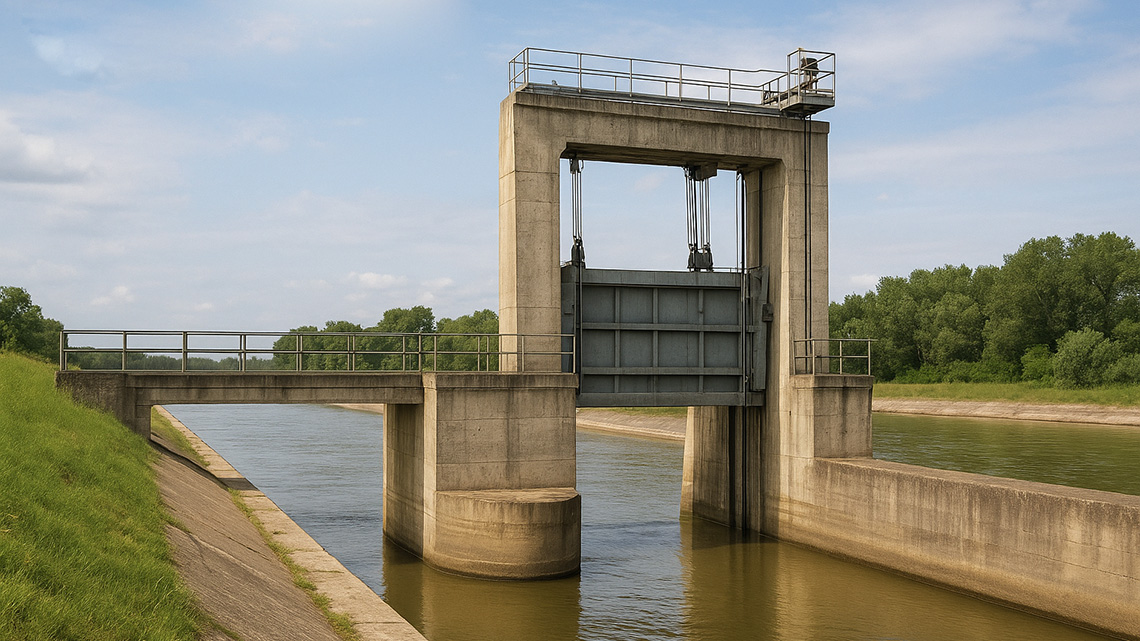
The Tisa is a major international river and the largest tributary of the Danube, flowing through four countries. Its total length is 966 km, with 164 km passing through Serbia. The river originates in the Carpathians at an altitude of 1,800 meters, but after 266 km of its upper course, near the mouth of the Samoš, it descends to just above 200 meters, gradually sloping to its confluence with the Danube.
In the years leading up to World War II, the Jewish community of Novi Bečej lived much like the rest of the town’s population. They did not perceive the rise of fascist movements across Europe as an immediate threat to their survival, believing that, if war broke out, they would manage like everyone else. This belief was perhaps reinforced by the fact that there were very few ethnic Germans in Novi Bečej, and anti-Semitism was not openly felt.
The defeat against Banat, which had experienced adult players, did not discourage the boys of Zvezda. On the contrary, they devoted themselves even more to training and played two away matches – the first in Bašaid and the second in Baodra. In these games, Zvezda also included a few former Jedinstvo players, which added physical strength to the team, but it came at the cost of the technical combination play that had been their trademark. Had they continued this way, Zvezda probably would not have fared better than Banat.
A considerable amount of time had passed since our trip to Šumica before we embarked on a new adventure to Matejski Brod. We were eagerly waiting for Voja Glavaški to get a bicycle so that the three of us could ride together. This anticipation lasted almost until the end of the school year. Voja finally got a Vesta-brand bicycle, just like mine, but his was newer and more stylish by two years.
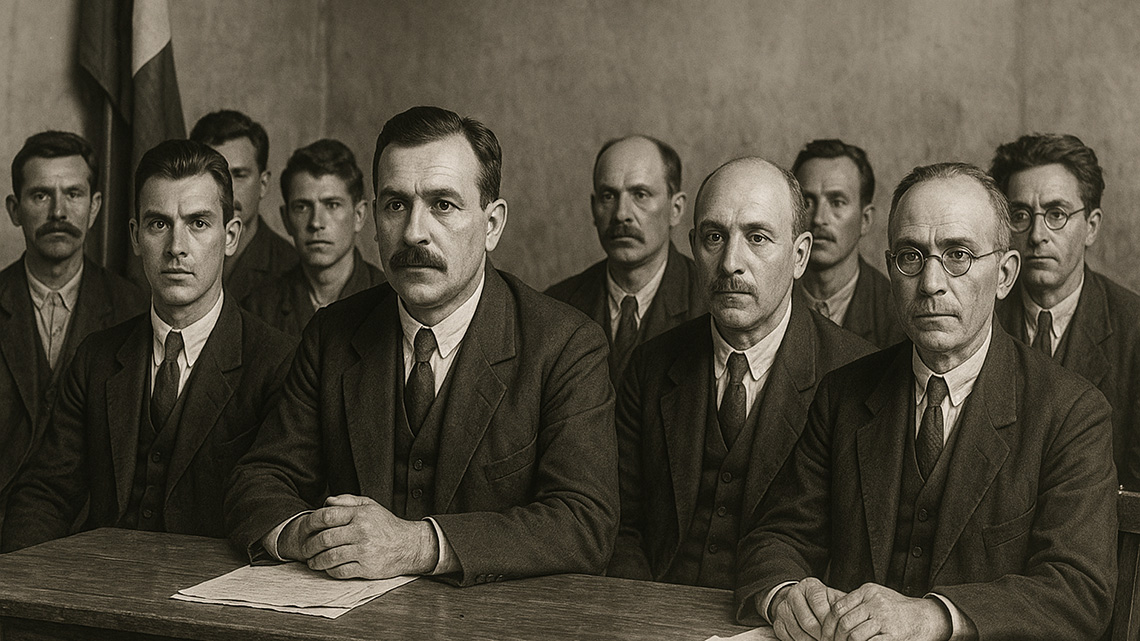
According to Radnički list, Ljubomir Čolić, president of the Local Party Organization in Kumane, was elected as a delegate to the Second Congress of the Party, held from June 20 to 25, 1920, in Vukovar. In June, a local party conference was held at which seven delegates were elected for the Second Party and Trade Union Congress.
"The Formation, Development, and Destruction of the Jewish Community in Novi Bečej" is the title of an extensive work created through the years of effort by Branislav-Bata Kiselički. As he explains in the introductory notes, the author approached this monumental task due to his sense of duty and obligation to his Jewish friends from his youth, and later to their fellow countrymen who lived in Novi Bečej in the near and distant past.