



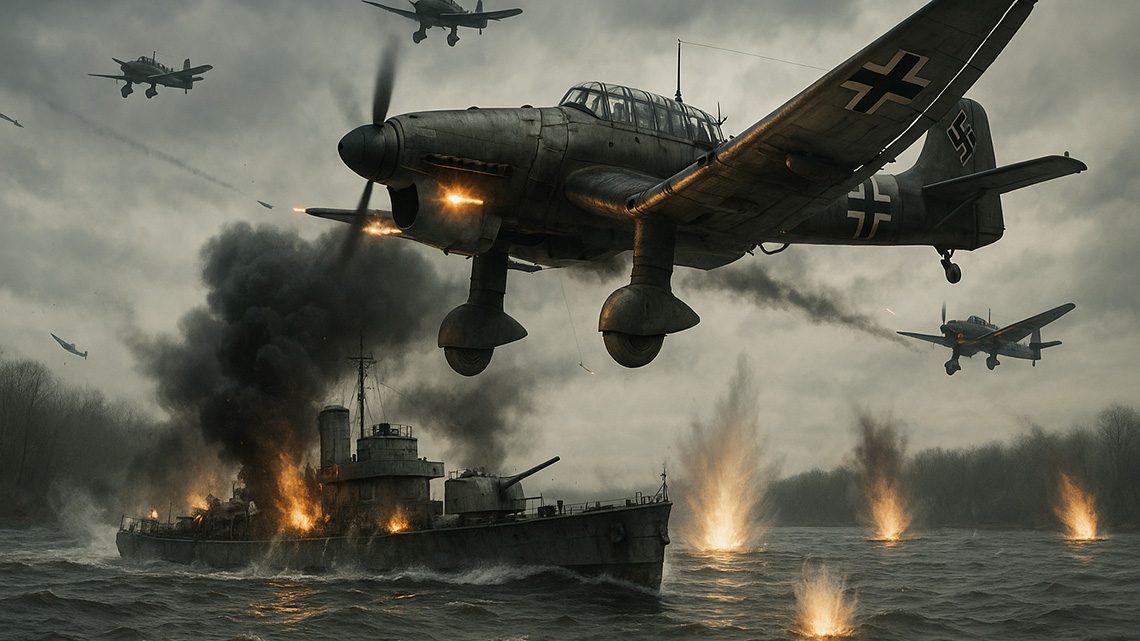
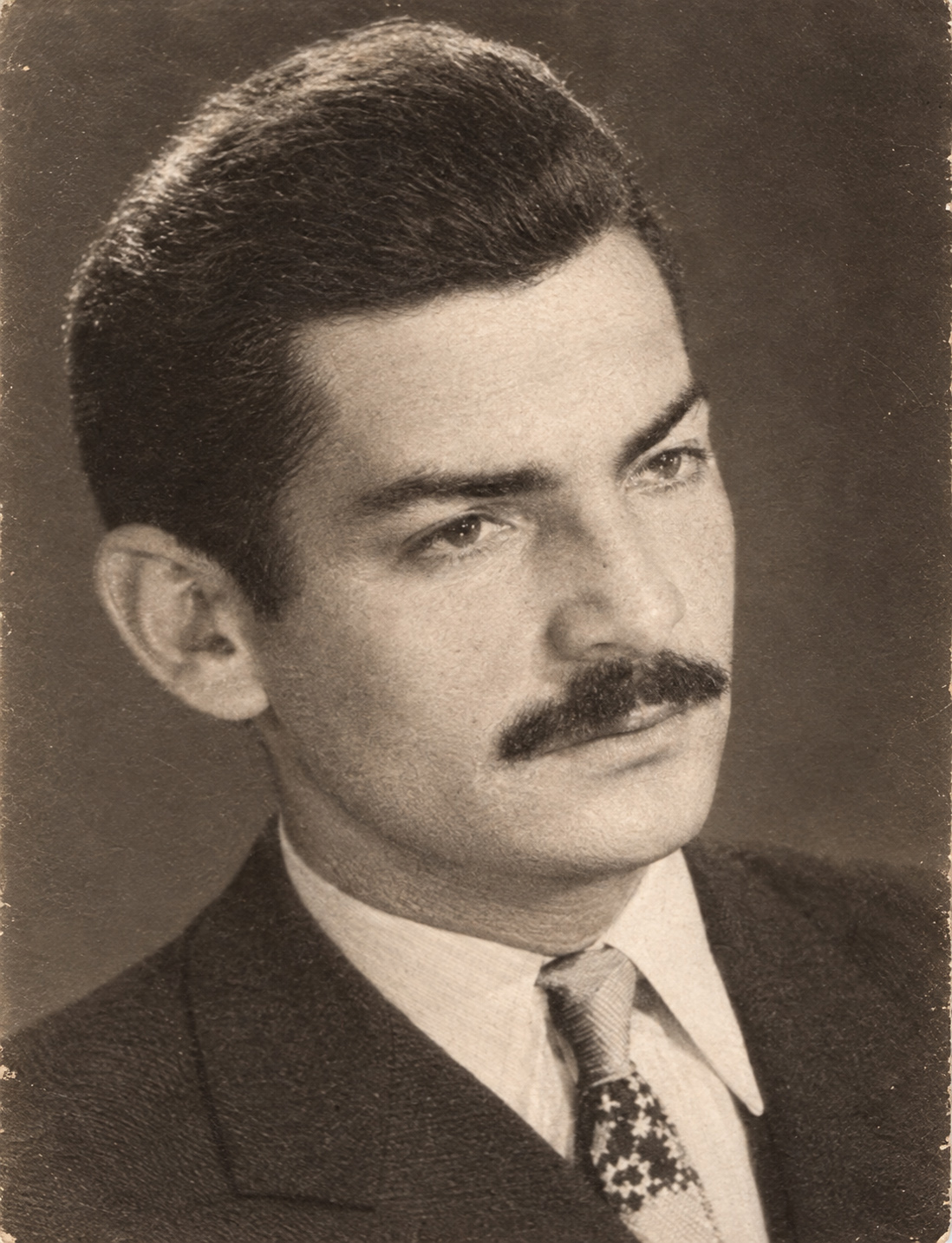
The feat of Aleksandar Berić, commander of the monitor "Drava," during the April war of 1941, went unnoticed by the authorities in Novi Bečej – no one initiated a move to declare this great man a national hero. Therefore, with this text, I want to remind everyone of his heroism, adding further information about his life, military career, and family – details that were unavailable when I published the book Novi Bečej and Vranjevo Through History in 1989.
It was only on March 27, 1991, that the Politika Ekspres newspaper began a serial titled "Five Decades After the Feat of the 'Drava' Monitor," which brought many new insights. For this reason, now, three decades later, I wish to once again shed light on the memory of our brave fellow citizen and pay tribute to what he did for his people and his country.
Regardless of whether he is ever formally declared a national hero, we, the people of Novi Bečej, have every right to be proud that such a man came from our town.
Words from the Serial: How to Die for the Homeland
The author of the serial, Boško Antić, writes:
“This is yet another attempt to remind today's generations, on the 50th anniversary of this ship's glorious saga, of how to fight for one's homeland, how to die under one’s flag, and how to nurture brotherhood and unity in a multi-national environment…”
“The heroic feats of Milan Spasić and Sergej Mašera, who sank the destroyer 'Zagreb,' and the crew of the 'Drava' monitor, will forever inspire young generations in preparation for defending the freedom and independence of their homeland.”
“History will continue to write about the heroic deed of the commander of the 'Drava,' Lieutenant Commander Aleksandar Berić, and his brave crew…”
Who Was Aleksandar Berić
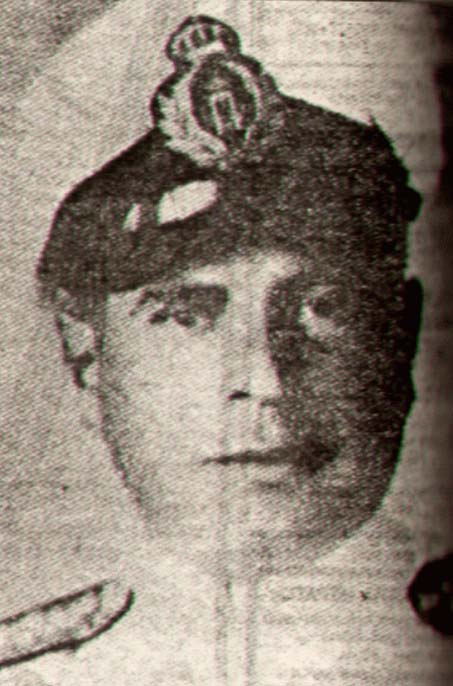 Aleksandar Berić was born on June 13, 1906, in Novi Bečej. He is listed in the birth registry as Šandor (Aleksandar), a name that was later, on July 1, registered by his father Ivan – an accountant at the Vranjevo Serbian Savings Bank, born in Stari Bečej. His mother, Draga, née Dimitrijević, came from Subotica. The family lived in house number 560 – the location where the Fire Station stands today, on Lole Ribara Street.
His early childhood was interrupted by World War I. His father was mobilized, and his mother passed away shortly after his return. The family moved to Timișoara, then to Zagreb, where Aleksandar attended school. Although his father wanted him to pursue studies, Aleksandar was determined to become a sailor, and with excellent success, he enrolled at the Naval Academy, graduating in 1929 on St. Vitus Day.
While staying in Alexandria in 1933, he met his future wife Vera, the daughter of a Boka Kotorska émigré. They married, and in 1935, they had a son, Ivan.
Character and Military Career
Berić was a handsome, composed, strict but just officer. He did not consume alcohol, spoke several languages (English, French, German, Hungarian), and was assigned to the river flotilla in Novi Sad due to his language skills. He was known for his humanity and respect for soldiers. He took command of the monitor "Drava" in the fall of 1940.
The Days Before War – Betrayal and Decision
On the evening before the war broke out, on April 5, 1941, Berić received a shameful telegram – an order to surrender the ship to the Germans through Hungary. He refused the order and informed the crew. The next morning, on April 6, came the message: “The war has begun. Proceed according to previous orders.”
Instead of surrendering, Commander Berić lined up the crew and said:
“The enemy has attacked our country. It is our duty to defend it. I am certain that you will remain loyal to the homeland. The ship must be ready at any moment for battle.”
Fighting, Wounding, and Final Voyage
In the following days, the "Drava" endured constant attacks. On April 8, Berić was wounded in the arm but did not leave his post. That same night, on April 11, the monitor attacked and drove away four Hungarian patrol boats. The situation on land was chaotic, with increasing signs of betrayal and state collapse. That evening, Commander Berić gave a stirring speech:
“I know that among you there are Serbs, Croats, Slovenes, Hungarians, and Germans. I know that it is hard for you to fight against your brothers. But the ship I have taken command of will not be surrendered to the enemy. If anyone does not wish to stay, they may leave – I relieve you of your oath.”
Nine sailors, mostly Germans and Hungarians, deserted the ship. The remaining 74 stayed with their commander. That night, they destroyed all vessels in Bezdan to prevent them from falling into enemy hands.
The commander’s plan was to take the ship down to Novi Sad, or, if the city was already captured, to disembark the crew in Fruška Gora and walk towards Serbia, then to the Adriatic. In the case of a dead-end situation, the ship would be destroyed with explosives.
The monitor "Drava" set sail on April 11 at 11:00 p.m.
The Final Day – April 12, 1941
The journey was difficult. At dawn on April 12, the ship was stopped at the ruined bridge near Bogojevo. The crew cleared the wreckage and continued. At this point, several crew members deserted, including the machine lieutenant Aničić. This was the last desertion.
At dawn, near Čelarevo, the monitor "Drava" was attacked by nine German bombers. Direct hits blew up the ship. Aleksandar Berić died along with most of the crew. Only about ten sailors survived the tragedy.
Closing Remarks
The heroism of Commander Aleksandar Berić and his crew is still not fully recognized by history. His name and deeds deserve to be permanently recorded in the collective memory of our people. Even if he is never formally declared a national hero, for us – his fellow citizens – he already is.
Comments