



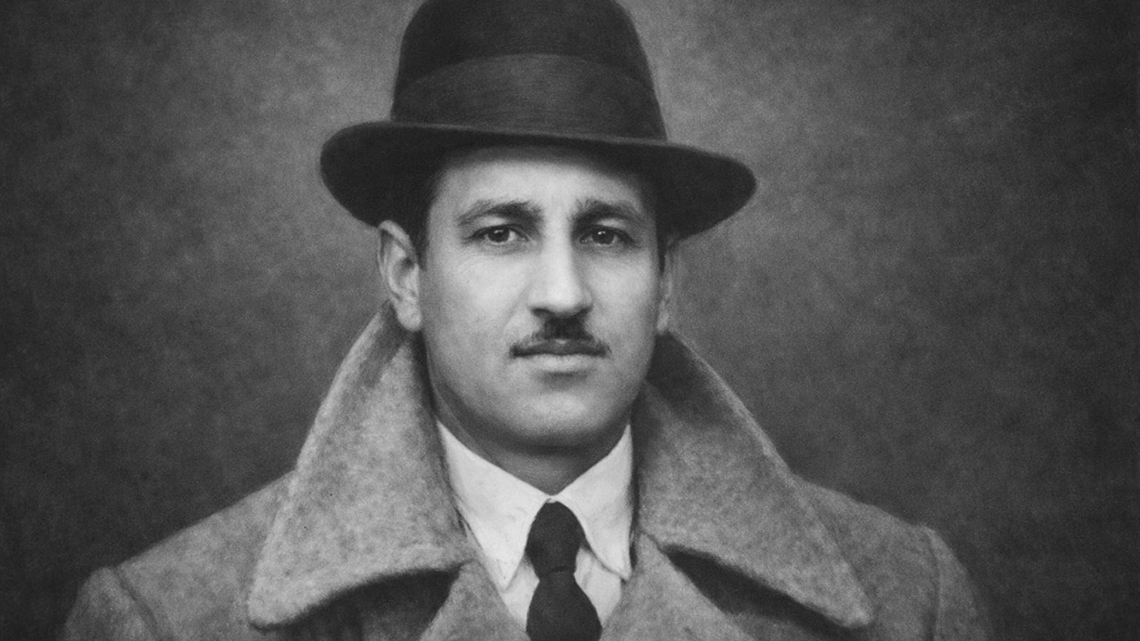
The parliamentary elections in Kumane were held on February 8, 1925. The communists used the pre-election campaign to promote their candidate and the positions of the Independent Workers’ Party of Yugoslavia (NRPJ). They distributed leaflets from the Central Committee calling: “Not a single vote of a poor peasant should go to bourgeois parties or to any party acting against the interests of the workers’ and peasants’ union.”
The leaflet called for a fight against the absolutism of military cliques and the reactionary Serbian bourgeoisie, for a workers’-peasants’ republican government, the abolition of the State Protection Act, freedom of strike and the political and economic organization of workers, against the persecution and internment of workers, and for the protection of labor legislation.
Regarding the elections, Jovan Veselinov was tasked by Josip Binder and other party leaders in Zrenjanin to distribute a large number of leaflets in Kumane and the surrounding area. He and Ljuba Petrović delivered the leaflets by bicycle, strengthening ties with neighboring villages, particularly Novi Bečej.
Prominent party worker Živa Gurjan maintained constant contact with Veselinov and Nova Stančić, from whom he received party publications and to whom he delivered collected membership fees and financial contributions.
The authorities banned the NRPJ from using political gatherings for agitation. Meanwhile, the Radicals extensively exploited the monopoly on public meetings, openly threatening violence against anyone who did not support them or their representative Pribac (Pribićević).
The bourgeois parties fielded candidates already known from previous elections. In the Velika Kikinda–Zrenjanin district, which included Kumane, the candidates were:
- Democratic Party: Dr. Slavko Šećerov
- Peasant Workers’ Party: Dimitrije Vujić
- Radical Party: Dr. Momčilo Ninčić
- Independent Democrats and Radical Dissidents: Dr. Miša Matić
- Social Democrats: Nedeljko Divac
- German Party: Vilhelm Nojner
- Hungarian Party: Imre Varabi
- Serbian Party: Antonije Pop-Hristić
- Republican Party: Milan Bogdanović, a writer from Belgrade
- Republican Bloc of Workers and Peasants (NRPJ): Nikola Kovačević, with deputy Nova Stančić and ballot box custodian in Kumane Dušan Tatić
The voter lists in Kumane recorded 1,702 registered voters, of whom 1,152 voted. The results were:
- Peasant Workers’ Party: 479 votes
- Radicals: 310 votes
- Workers’ list (NRPJ): 183 votes
The elections took place under the terror of local authorities, but the failures were also due to internal disagreements within the KPJ in Banat, resulting from factional struggles.
After the electoral defeat, the NRPJ ceased its illegal activities in March 1925. Although it could not last long, as it was essentially a failed attempt to legalize the KPJ, it still played an important role in the development of the KPJ and the workers’ movement between 1923 and 1925.
At that time, Kumane had over 40 KPJ members, connected with organizations in neighboring settlements. The connections were maintained by Jovan Veselinov, Nova Stančić, Dušan Tatić, and others, who delivered party publications, illegal literature, and membership collection materials. After the NRPJ was banned, the KPJ in Kumane continued to operate illegally, receiving directives and party materials from party and trade union officials in Zrenjanin, including Nikola Bišof and Andrija Mihajlović.
1. Dušan Lupurov, executed in 1942
Comments