



In occupied Yugoslavia, the territory of present-day Vojvodina was divided into three parts. Syrmia became part of the so-called Independent State of Croatia, Bačka was annexed by Hungary, while Banat, administered by the local ethnic German population (Volksdeutsche), was directly linked to the Third Reich. In each of these occupied regions, football developed in accordance with the political and social conditions imposed by the occupying authorities.
Football clubs in Bačka were incorporated into the Hungarian football competition system, while teams from Syrmia competed within the framework of the sports structures of the Independent State of Croatia. The situation in Banat, however, differed significantly from the rest of Vojvodina.
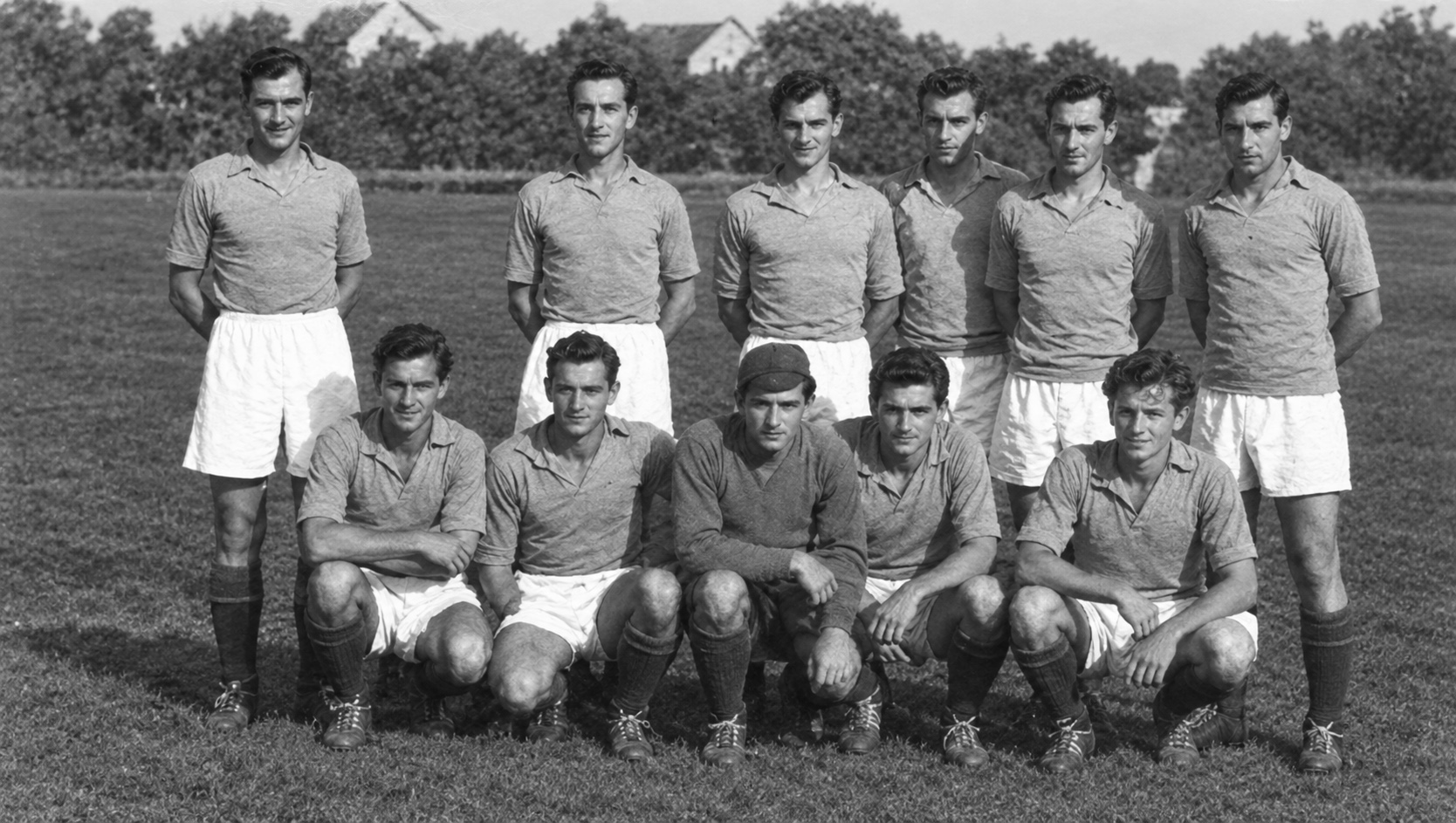
The local German population in Banat did not actively participate in football. The primary reason was the mass mobilization of young men, which left little opportunity for organized sporting activities. Nevertheless, in towns and villages where conditions allowed the formation of clubs among the Hungarian population, football clubs were established as early as the summer and autumn of 1941.
In 1942, a Banat championship was organized as part of the so-called Hungarian league, bringing together all Hungarian clubs from the region. The Serbian population began to participate in organized football only from the summer of 1942 onward.
However, in areas where Serbian and German populations lived side by side, Serbs were not permitted to form football clubs or engage in organized football activities. As a result, in cities such as Veliki Bečkerek, Velika Kikinda, Vršac, Bela Crkva, and Pančevo, Serbian football clubs were explicitly prohibited. At the same time, Hungarian communities in most of these cities—except for Vršac and Bela Crkva—were allowed to maintain their own football clubs.
Comments