



1. Founders and Key Contributors
Swimming and water polo in Novi Bečej were founded and maintained for several decades by individuals who were deeply attached to the Tisa River—enthusiasts, humanitarians, and lovers of water sports.
Such were also the leaders of various clubs and sections: Zigler Maks, Rada Aćimov (“Bakar”), M. Nešić, R. Ivanić, J. Rauški, Vladimir Davidović, Dušan Tikvić, and M. Kiselički.
The most important founders and organizers of these sports were: Oto Kinezl, Imre Kelemen, the Sauer brothers, Stevan Kiurski, Branislav Kiselički, Imre Farkaš, the Ivanić brothers, the Kiselički brothers, the Marić brothers, and the Berbakov brothers.
Among them, the most prominent were: Imre Kelemen, Branislav Kiselički, Stevan Kiurski, Radomir Ivanić, Milorad Berbakov, Vladimir Davidović, Milorad Kiselički, and Zlatoje Marić.
2. Principal Participants
Female Swimmers
Ilona Šafranj, Roza Šafranj, Smilja Mlešev, Mandika Gulović, Olga Marticki, Ljuba Padežanin, Nada Ćeremov, B. Boberić, Nada Aracki, Mira Glumac, M. Stajić, Dubravka Nešović, A. Bukinac, J. Bukinac, Mirjana Stajić, Olivera Tolmačev, Nada Vukčević, Marica Štebkić, Smilja Lazarević, Beba Beljuc, Vera Stambolić, D. Stambolić, Cica Dragić, and Smilja Dobožanov.
Male Swimmers and Water Polo Players
(full list preserved, edited for clarity)
Flahbart Tihomir, Oto Kinezl, Karolj Kelemen, Imre Kelemen, Ivan Veljača, Bela Hafner, Pavle Sauer, Jovan Sauer, Sendi, Bogdan Janković, Šaca Krstić, Herman Bergl, Aleksandar Bergl, Đerđ Brikner, K. Vukov, Aleksandar Gulović, Radomir Ivanić, Dušan Ivanić, Stevan Kiurski, Branislav Kiselički, Aleksandar Marčić, Vasa Nićin, Milan Nićin, Zvonko Tolmačev, Imre Farkaš, Bela Hafner, Feri Rigo, Janković Pibika, Dušan Cvejin, Sava Ivanić, Branislav Vojnov, Vladimir Davidović, Antal Šari, Milivoje Marić, Stojan Tašin, N. Novikov, Zlatoje Marić, Sava Petraški, Ivan Kovačev, M. Matić, Milorad Berbakov, Tomislav Acković, Karlo Štaud, Aca Krivošija, Živorad Berbakov, M. Gurjanov, M. Jakšić, P. Merkulov, Ivan Glavaški, Bata Bođul, Lacika Kiš, S. Mićin, Srđan Mašić, Dušan Rakić, Ilija Kovačev, Nebojša Vlaškalić, Miša Vrebalov, Stevan Jager, Zoran Mamula, Dragan Jovanović, and Hajdu Karči.
The best among them, each in his own era, were: Karolj Kelemen, Stevan Kiurski, and Sava Ivanić.
3. Coaches
Qualified coaches:
Herman Bergl, Stevan Kiurski, Radomir Ivanić, Sava Ivanić, Tomislav Acković.
Amateur coaches:
Karolj Kelemen, Stevan Kiurski, Milorad Berbakov, Vladimir Davidović, Ivan Jagodić.
4. Periods of Growth and Decline
Over roughly 60 years, the development of swimming and water polo in Novi Bečej experienced strong rises and significant declines.
The greatest progress was achieved in:
- 1934–1935
- 1942–1943
- 1949–1963
Within the key 1949–1963 period:
- progress lasted until 1954,
- a decline followed until 1959,
- then the greatest rise occurred between 1959 and 1963,
- after 1963, professional and systematic work ceased entirely.
Highest sporting achievement: entry into the Republic League in 1959.
Best result: second place in the Republic League in 1962.
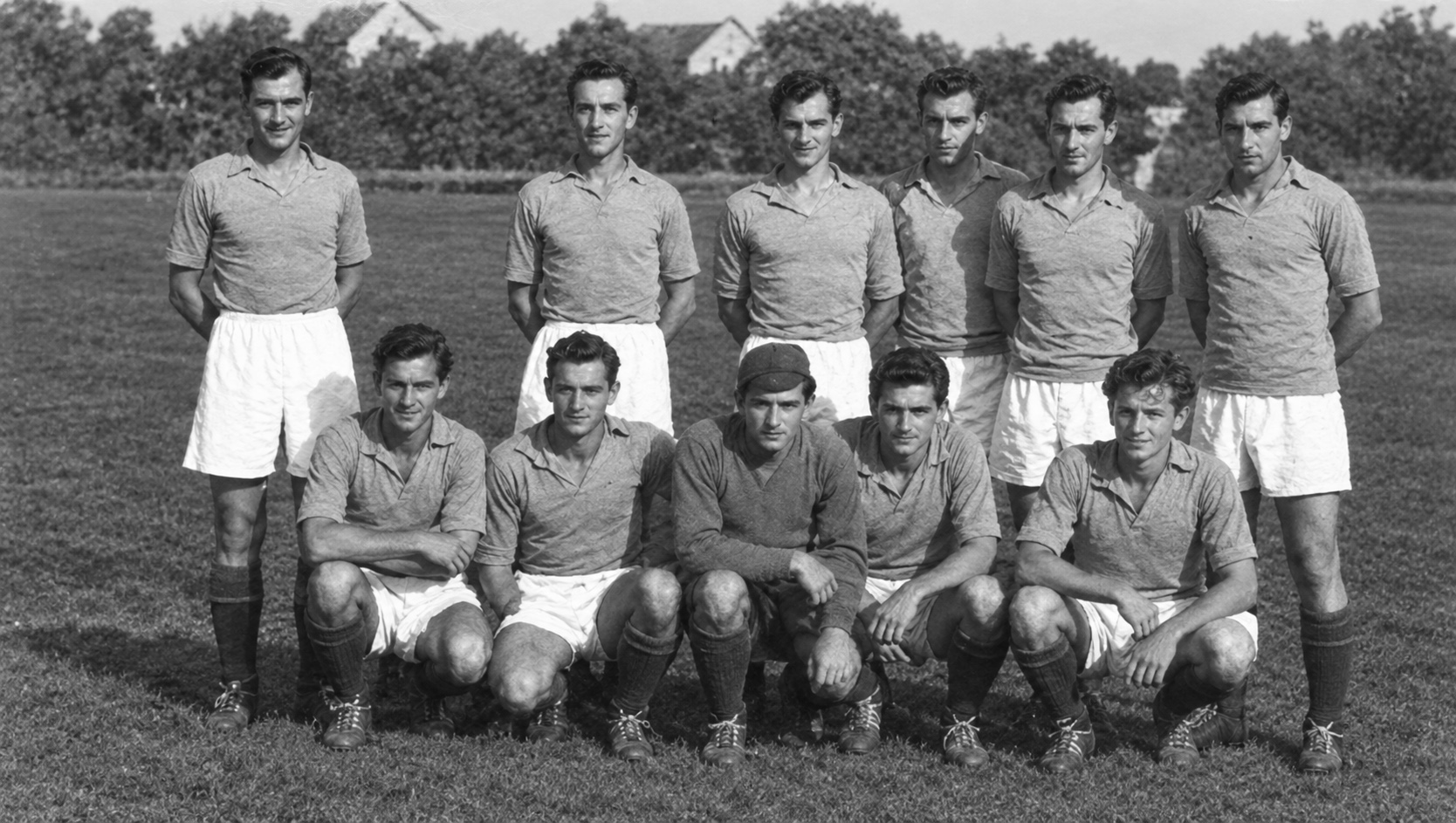
The best water polo team consisted of:
S. Ivanić, Ž. Berbakov, M. Kiselički, Z. Marić, I. Kovačević, M. Matić, P. Sauer, P. Fa, and I. Glavaški.
Swimming declined after 1958. Until that year, the best swimmers were: I. Kelemen, S. Kiurski, O. Tolmačev, S. Ivanić, and N. Vukčević.
5. A Fatal Mistake – Moving Water Polo to the “Banja” Lake
Since a regulation-size field could not be built on the Tisa, water polo was moved to the Banja lake. This decision proved fatal.
- There was no audience.
- Very few children or young people wanted to train in that environment.
- Residents of that part of town neither swam nor visited the lake.
- The lake area was neglected and used as a dumping site.
This move caused a rapid decline and eventual disappearance of water sports.
6. Social and Political Influence
The shutdown of these sports was primarily the result of negative attitudes within the political elite and local community.
Many of the best athletes either quit or continued their careers elsewhere.
7. Historical Importance of Water Sports
Swimming and water polo played an important role in Novi Bečej—not only in sports, but also in cultural and social life.
In their early decades, they were part of the town’s cultural identity, humanitarian values, and civic spirit.
Due to lack of support, these sports never entered a modern developmental phase and disappeared from Novi Bečej’s social landscape in 1991.
8. A Broader Reflection on Sport and Humanity
The text emphasizes that modern sports have moved away from their natural, humanistic foundation.
Today’s elite athletes function as “modern gladiators” in a system dominated by profit, rather than human needs.
Key ideas include:
- Modern sport is no longer aligned with natural human movement.
- It has lost its playfulness, purpose, and balance.
- Humanity’s conflict with nature leads to crises and catastrophes.
- Nature remains the ultimate authority and cannot be “defeated.”
The concluding message stresses the need to return sport to its original human meaning—balance, natural movement, and harmony with nature.
Comments